




The Spiritual Heart of the Sawan Diet
Sawan, which falls during the monsoon season, is one of the most auspicious periods in the Hindu calendar. Devotees observe fasts, particularly on Mondays (Sawan Somwar), to honour Lord Shiva and seek his blessings for health, prosperity, and inner peace.
The dietary choices during this month are not merely about restriction; they are a form of devotion. The guiding principle is to follow a 'Sattvic' diet, which emphasizes foods that are pure, simple, and light. According to Ayurveda, Sattvic foods promote calmness, clarity, and spiritual focus, which are essential for the prayers and meditation that mark this sacred month. This mindful eating is believed to cleanse the body and quiet the mind, creating a harmonious state for spiritual practice.
Why Alcohol and Animal Foods Are Avoided
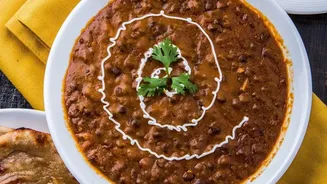
The exclusion of non-vegetarian food—including meat, fish, and eggs—is a cornerstone of the Sawan diet. This practice is rooted in the principle of non-violence and compassion, as Lord Shiva is revered as 'Pashupatinath', the lord of all animals. Abstaining from meat is seen as an act of respect and restraint. There are practical, seasonal reasons too. The monsoon's high humidity increases the risk of bacterial growth, making meat and fish more prone to spoilage without modern refrigeration. Similarly, alcohol is strictly avoided as it is considered impure and is believed to cloud judgment, contradicting the goals of self-discipline and spiritual clarity that Sawan represents.
The Curious Case of Excluded Vegetables
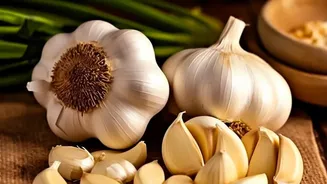
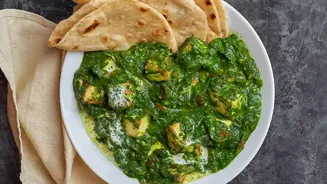
Interestingly, the Sawan diet also restricts certain vegetables. Onions and garlic are a prominent exclusion. In Ayurveda, these are classified as 'Rajasic' and 'Tamasic' foods, believed to stimulate restlessness, passion, or lethargy. Since the goal of Sawan is to cultivate a calm and meditative state, these root vegetables are avoided to maintain mental purity. Some families also avoid leafy green vegetables. This tradition has a practical origin: during the monsoon, leafy greens can harbour insects and microbes that are difficult to wash away, increasing the risk of illness. Similarly, some avoid brinjal (eggplant) due to traditional beliefs about it being impure. Fermented foods like idli and dosa may also be limited as they are thought to create imbalances.
What You Can Eat: The Vrat-Friendly Pantry
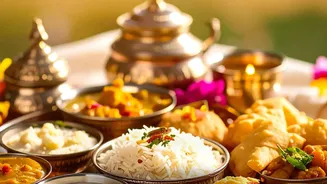
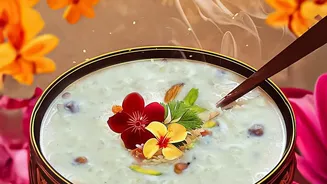
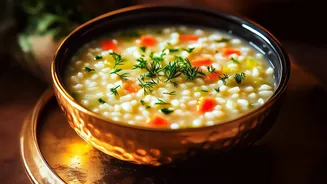
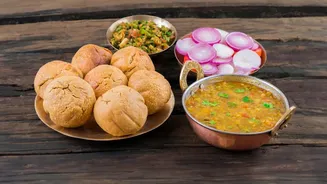
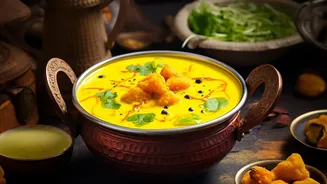
Despite the restrictions, the Sawan diet is rich and varied. The focus shifts to a special 'vrat' or fasting pantry. Instead of regular wheat or rice, special flours like Kuttu (buckwheat), Singhara (water chestnut), and Rajgira (amaranth) are used to make puris and rotis. Samak rice (barnyard millet) and Sabudana (tapioca pearls) become the staple grains for dishes like khichdi, kheer, and vadas. A wide range of vegetables are permitted, including potatoes, sweet potatoes, bottle gourd (lauki), pumpkin, and raw bananas. Dairy products like milk, curd, and paneer are widely consumed and are also offered to Lord Shiva. For seasoning, regular table salt is replaced with Sendha Namak (rock salt), and mild spices like cumin, black pepper, and green cardamom are used.
Embracing the Sawan Plate
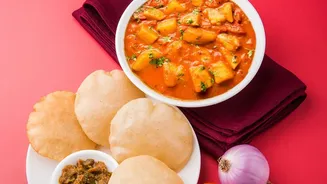
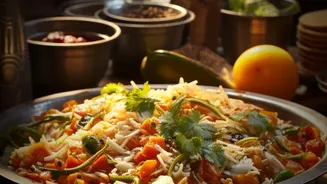
A typical Sawan fasting meal is designed to be nourishing yet light. A day might start with fruits or a handful of nuts like almonds and walnuts for energy. Lunch could be a simple affair of Sabudana Khichdi tossed with peanuts or Kuttu ki Puri served with a mild potato curry. Evening snacks often feature roasted Makhana (fox nuts), which are crunchy and filling. For dinner, one might have a light Samak rice pulao with vegetables. The emphasis is on freshly prepared meals, avoiding stale or leftover food, which aligns with both spiritual principles and the practical need for food safety during the humid monsoon season.