







Why Monsoon Increases Food Risks
The rainy season creates a perfect storm for germs. High humidity and moisture in the air help bacteria, fungi, and viruses multiply rapidly. Food spoils faster, and stagnant water can contaminate fresh produce. This leads to a spike in foodborne and waterborne
illnesses like gastroenteritis, typhoid, cholera, and general food poisoning. Even food that looks clean can harbour harmful microorganisms from contaminated water used during its journey to your kitchen. This makes vigilant food preparation not just a good habit, but a necessary defence.
The Art of Washing Produce
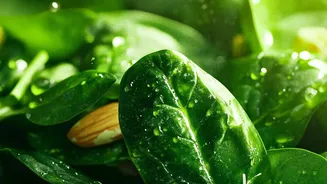
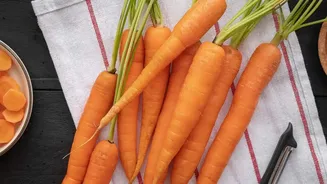
Thoroughly washing fruits and vegetables is your first line of defence. A simple rinse under running water helps remove loose dirt, but more is needed during the monsoon. For leafy greens like spinach and cabbage, which can hide worms and germs in their layers, it's best to separate the leaves and wash them individually. Soaking vegetables in a bowl of water with a bit of salt or vinegar can help kill lingering pathogens and dislodge contaminants. However, don't soak them for too long as this can lead to nutrient loss. Always wash produce right before you plan to cook or eat it, and be sure to wash items even if you plan to peel them, to avoid transferring contaminants from the knife to the flesh.
Cook Food Thoroughly, Avoid Raw
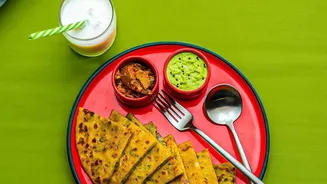
Cooking food to the right temperature is one of the most effective ways to kill harmful bacteria. During the monsoon, it's wise to avoid raw or semi-cooked foods, especially from outside vendors. This includes items like salads, pre-cut fruits, and chutneys that are often prepared with untreated water and left exposed. At home, opt for steaming, boiling, or stir-frying your vegetables instead of eating them raw. Ensure that meat and seafood are cooked completely. It is also recommended to eat freshly prepared warm meals and avoid consuming food that has been sitting at room temperature for an extended period.
Smart Storage is Key
How you store your food is just as important as how you cook it. The high humidity can cause food to spoil quickly, even inside your home. It's crucial to store perishable items like dairy, meat, and cooked leftovers in the refrigerator promptly. Use airtight containers to protect food from moisture and prevent cross-contamination. Be sure to keep raw meat and eggs separate from other foods in the fridge. Many experts also advise against buying produce in bulk during this season; instead, purchase smaller quantities more frequently to ensure freshness. Before storing, dry your fruits and vegetables completely, as dampness encourages mould growth.
Rethink Your Leftovers and Hydration
While it's best to cook fresh, small meals, if you do have leftovers, store them in the fridge as soon as they cool down. When you're ready to eat them, make sure to reheat the food thoroughly until it is steaming hot, which helps kill any bacteria that may have developed during storage. When it comes to hydration, be equally cautious. Avoid ice from unknown sources and drink only boiled, filtered, or purified water. Warm beverages like herbal teas can aid digestion and keep you hydrated safely.