






The Science of a Yellow Stain
Those stubborn yellow stains, especially around collars and underarms, are rarely a single substance. They are often a complex mixture of sweat, body oils, and product residue. Sweat contains proteins, salts, and other compounds. When this mixes with
the aluminium found in many antiperspirants, a chemical reaction occurs, creating the yellowish compounds that bond to fabric. Over time, this buildup oxidizes—reacts with the air—and becomes more visible. This is why a shirt can look clean after washing but develop yellow spots later, especially after being stored. Even substances that seem invisible, like the sugar from a spilled clear beverage, can linger in fabrics.
How Heat Locks Stains In
Heat acts as a powerful catalyst, transforming a treatable spot into a permanent part of the fabric. This happens in a few ways. For protein-based stains, like those from sweat, blood, or dairy, heat causes the proteins to denature. This process changes their chemical structure, causing them to coagulate and form strong, permanent bonds with the fabric fibers, essentially 'cooking' the stain into the cloth. For sugary residues, heat causes caramelization. The sugar darkens and hardens, chemically fusing to the fabric. Similarly, oils and greasy residues can oxidize faster when heated, deepening the yellow or brown colour and making them much more difficult to remove. This is why running a stained garment through a hot dryer or ironing over it is one of the fastest ways to make a stain permanent.
The Golden Rule: Treat Stains Cold
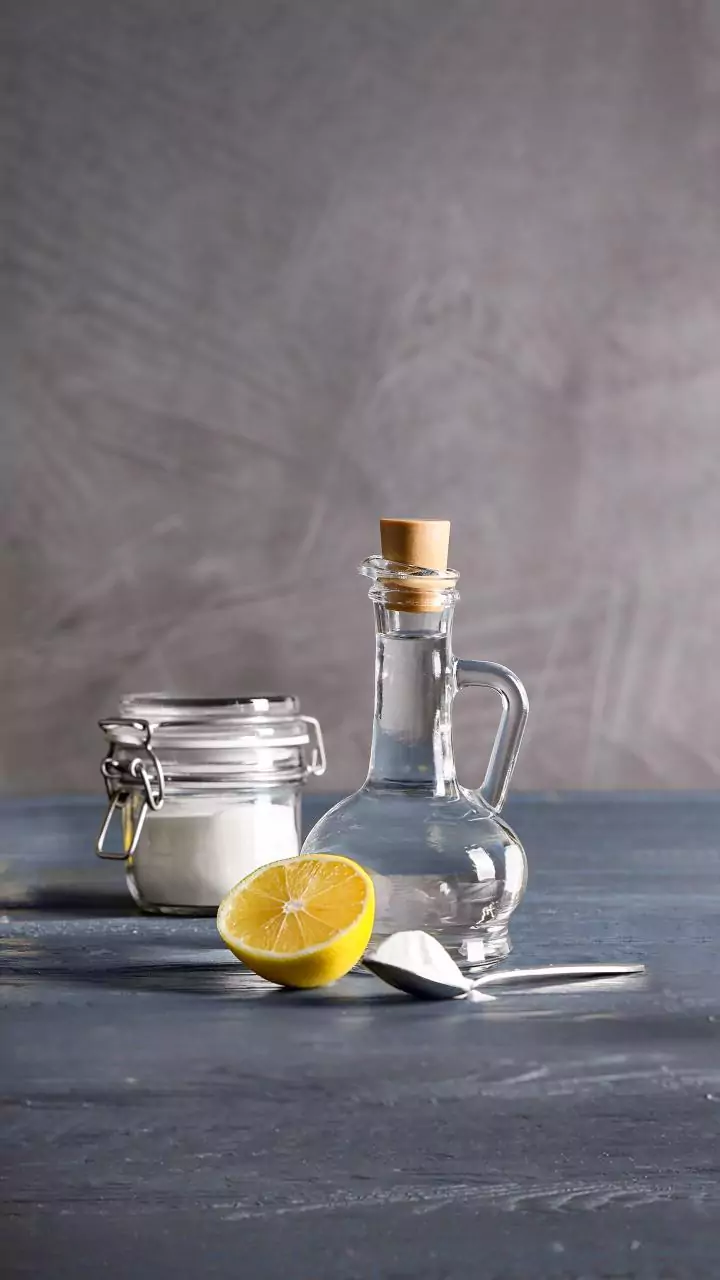
Given that heat is the enemy of these types of stains, the solution is to always address them with cold or cool water first. Hot water can begin the setting process even during the wash cycle. Before washing, you should always pre-treat visible yellow stains. A simple paste of baking soda and water, or a solution of equal parts hydrogen peroxide and dish soap, can be effective. Apply the treatment directly to the stained area and let it sit for at least 30 minutes to an hour. For particularly stubborn sweat stains, enzyme-based detergents are highly effective, as they are specifically designed to break down the proteins that form the foundation of the stain.
Washing and Drying with Care
After pre-treating, wash the item in the warmest water recommended on the care label, but avoid high heat if you are unsure if the stain has lifted. If the stain is protein-based, sticking with a cold wash is the safest bet. One of the most critical steps is to check the garment before putting it in the dryer. Hold the wet fabric up to the light to see if any trace of the stain remains. If you can still see it, repeat the pre-treatment process. Only once the stain is completely gone should the item go into the dryer. Air-drying, especially in the sun, is an even better option for white fabrics, as sunlight has a natural bleaching effect that can help brighten the material.