




A Conservation Success Story
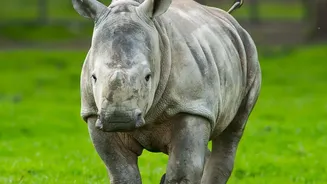
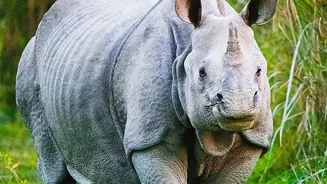
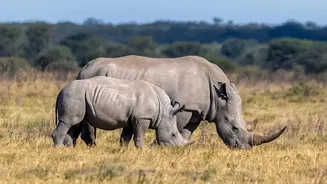
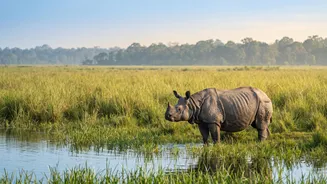
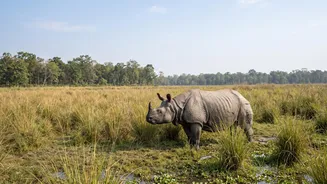
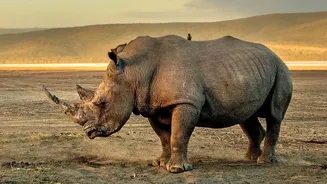
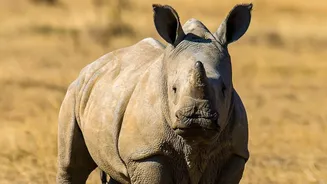
The latest census from June 2026 has brought welcome news from the grasslands of Dudhwa Tiger Reserve (DTR): the population of the greater one-horned rhinoceros has officially increased to 53. This figure, which includes 17 adult males, 25 adult females,
and 11 calves, represents a net increase of five rhinos, even accounting for recent natural mortalities. The steady growth is a testament to one of India’s most ambitious reintroduction projects, placing Uttar Pradesh alongside Assam and West Bengal as one of the few states supporting a wild rhino population. The success is the culmination of nearly four decades of meticulous planning, protection, and habitat management.
Rewinding the Clock to 1984
The greater one-horned rhino once roamed freely across the Terai region of Uttar Pradesh, but by the late 19th century, hunting and habitat loss had wiped them out completely. The last rhino in the region was reportedly shot in 1878. In 1984, a landmark decision was made to bring them back. The Rhino Reintroduction Project began with the translocation of seven founder rhinos—two males and five females—from Assam and Nepal to a specially prepared, secure enclosure in Dudhwa. This small group formed the seed population for what would become a remarkable comeback story. The first successful calving was recorded in 1989, signaling that the rhinos were adapting to their new, yet ancestral, home.
The Blueprint for Growth
The growth from seven individuals to 53 was not a matter of chance. It has been driven by a multi-pronged strategy. Initially, the rhinos were kept within two large, fenced enclosures known as Rhino Rehabilitation Areas (RR1 and RR2). These high-security zones, covering nearly 40 square kilometers combined, allowed the population to breed and grow in a protected environment, safe from poaching and minimizing human-wildlife conflict. The project, a joint effort by the Uttar Pradesh Forest Department and WWF-India, involves constant monitoring. Teams on elephant back track the rhinos daily, while habitat management ensures the grasslands, the rhinos' primary food source, remain healthy.
A Step into the Wild
After nearly 40 years of living within enclosures, the project entered a crucial new phase. To ensure long-term genetic diversity and establish a truly wild population, officials began releasing rhinos into the larger core area of the reserve. Starting in November 2024, several rhinos have been fitted with radio collars and released from the enclosures. As of early 2026, 11 rhinos are now free-ranging, a significant step towards creating a self-sustaining population. This move not only reduces the risks of inbreeding but also improves the chances for tourists to spot these magnificent animals in Dudhwa’s open safari zones.
Challenges on the Horizon
Despite the resounding success, the work is far from over. Natural threats remain a part of life in the wild. The recent census came after the loss of three rhinos, including two calves killed in territorial fights with a dominant male and an adult female killed by tigers. Tiger predation on young calves is a known risk that conservationists monitor closely. Furthermore, as the free-ranging population grows, managing potential human-rhino conflict and ensuring the animals do not stray from protected areas will be critical. The long-term vision requires continuous vigilance, scientific management of genetic health, and unwavering protection to ensure that Dudhwa's rhinos not only survive but thrive for generations to come.