





The National Push for E20 Fuel
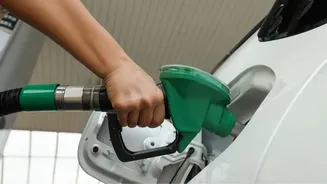
India is in the midst of a major shift in its fuel policy, aggressively promoting E20 petrol—a blend of 80% petrol and 20% ethanol. The goals are ambitious and crucial for the nation's future: reduce the massive import bill for crude oil, lower carbon
emissions, and provide an additional revenue stream for farmers who cultivate the crops used for ethanol production, such as sugarcane and maize. The government successfully achieved its 20% blending target ahead of schedule, making E20 the new standard petrol across the country. This move is part of a long-term strategy to increase energy security and meet environmental targets, following a path already taken by countries like Brazil.
Why Older Bikes Face a Problem
While modern vehicles manufactured since 2023 are designed to be E20-compliant, the story is different for older models. The higher concentration of ethanol in E20 poses several risks for engines and fuel systems not built to handle it. Ethanol is hygroscopic, meaning it absorbs water from the atmosphere, which can lead to corrosion in metal fuel tanks and lines. More critically, it can degrade rubber and plastic components like seals, gaskets, and fuel hoses, causing them to become brittle, crack, and fail. This can result in fuel leaks, clogged fuel filters, and overall poor engine performance, including rough idling and hesitation.
Defining the 'Pre-BS-IV' Generation
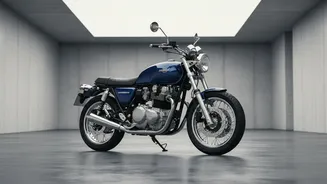
The vehicles most at risk are those manufactured before the implementation of the Bharat Stage IV (BS-IV) emission norms. These standards were enforced nationwide in April 2017. Vehicles made before this date, particularly the estimated 75 to 80 million carburettor-equipped two-wheelers, are a key point of concern. Unlike modern fuel-injected systems, a carburettor cannot adjust the air-fuel mixture to compensate for the extra oxygen in ethanol-blended fuel. This causes the engine to run 'lean' (too much air, not enough fuel), leading to overheating and potential long-term damage.
A Potential Lifeline Called E10
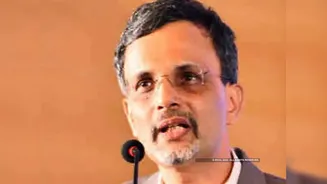
Recognizing this challenge, a significant proposal has been put forward, notably by the Chief Economic Advisor, V. Anantha Nageswaran. The idea is to reintroduce or continue the availability of E10 petrol (10% ethanol blend) as a 'protection grade' fuel specifically for these older, non-compliant vehicles. This would provide a safer fuel option for millions of owners, calming public concern and allowing a smoother transition period. Proponents argue this would protect the significant financial investment that these vehicles represent for a large segment of the Indian population, while still allowing the broader E20 rollout for newer cars and bikes to continue.
The Logistical Two-Fuel Challenge
While offering E10 sounds like a simple solution, it presents a massive logistical hurdle. The Ministry of Petroleum has previously stated that supplying multiple grades of petrol nationwide is impractical. India has over one hundred thousand fuel retail outlets, and most have limited underground storage capacity. Creating a parallel supply chain for E10—from refineries to depots to fuel pumps—would require enormous infrastructure upgrades, increase handling costs, complicate inventory management, and potentially open avenues for malpractices. This logistical complexity is the primary reason the government has, until now, pushed for a single, standard E20 fuel.
What This Means for Indian Riders
The debate leaves owners of pre-BS-IV vehicles in a state of uncertainty. While some manufacturers have offered assurances about their older models, many riders have reported issues like decreased mileage and component wear. For now, early discussions about the feasibility of reintroducing E10 are underway within the government and industry, but no concrete decision has been made. This proposal acknowledges the real-world impact of the E20 transition on a massive fleet of legacy vehicles. The outcome will determine whether millions of riders will need to consider costly retrofits or simply have a safe, alternative fuel choice at the pump.