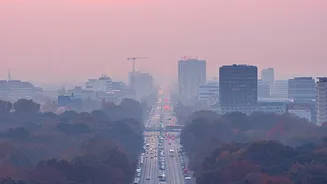







As a thick, grey blanket of smog settles over Delhi, many residents are waking up to a familiar, unwelcome sensation: a dry, scratchy throat. Here’s a look at what’s in the air, why it hurts to breathe, and how to properly protect yourself.
What's in the Air We're Breathing?
Delhi's air
quality has once again entered the 'Very Poor' category, with the AQI hovering above 300 as of November 11, 2026. This is not just fog; it’s a toxic cocktail of pollutants. The primary culprit is PM2.5—particulate matter so fine it can penetrate deep into your lungs and even enter your bloodstream. These particles come from a combination of sources, including vehicle emissions, which account for over half of local pollution, industrial output, construction dust, and smoke from stubble burning in neighbouring states. The smog also contains harmful gases like nitrogen oxides and sulfur dioxide, which contribute to the overall health risk. Unfavourable weather conditions trap these pollutants close to the ground, leading to the hazardous air quality residents are currently experiencing.
Why Does My Throat Hurt?
That persistent, scratchy feeling in your throat is a direct result of inhaling polluted air. The fine PM2.5 particles act like sandpaper on the delicate lining of your respiratory tract, causing physical irritation and inflammation. Simultaneously, toxic gases like sulfur dioxide can dissolve in the moisture of your throat, creating a mild chemical burning sensation. This dual assault leaves the throat feeling dry, raw, and sore, often leading to a persistent dry cough and discomfort when swallowing. Doctors refer to this as a 'pollution sore throat', which is distinct from an infection because it typically does not involve a fever or body aches.
The N95 Mask: Your Best Defence Outdoors
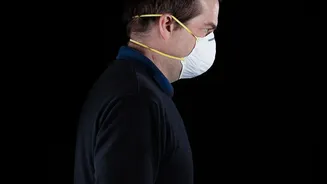
When you must venture outdoors, a high-quality mask is non-negotiable, and not all masks are created equal. An N95 mask is the recommended standard for protection against high pollution levels. The 'N95' designation means it is certified to filter at least 95% of airborne particles, including the dangerous PM2.5 particles that are prevalent in Delhi's smog. Cloth masks and standard surgical masks are largely ineffective against these fine particulates, as they are designed to block larger droplets and cannot form a tight seal around the face. For an N95 mask to be effective, it must fit snugly over your nose and mouth, with no gaps along the edges. A proper seal ensures that you are breathing through the filter, not around it.
More Than Just a Mask: Additional Protection Tips
While an N95 mask is your first line of defence, several other measures can help reduce your exposure and alleviate symptoms. Health experts advise limiting outdoor activities, especially strenuous exercise like running, during peak pollution hours. Indoors, using an air purifier with a HEPA filter can significantly improve air quality in your home and create a 'clean zone'. Keeping windows closed during high-pollution days also prevents toxic air from entering. To soothe an irritated throat, stay well-hydrated by drinking plenty of water throughout the day. Gargling with warm salt water can also provide temporary relief from soreness and irritation. Some find that warm drinks with honey can also help soothe a cough and a raw throat.