






Know Your Balcony’s Limits
The single most important, and most overlooked, aspect of balcony gardening is the structural capacity of your balcony. Most residential balconies are robust, but they are not designed for unlimited loads. While specific figures vary based on age, construction,
and local building codes, overloading can pose a serious safety risk. A cantilevered balcony, which juts out without visible supports underneath, is potentially more vulnerable than one supported by pillars. Before starting, it’s wise to check your building's rules. For ambitious projects involving numerous large, heavy pots, consulting a structural engineer or your building management is the safest first step. They can provide clarity on the load-bearing capacity, ensuring your green oasis starts on a solid foundation.
The Surprising Weight of a Garden
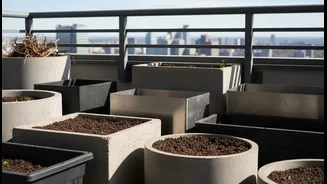
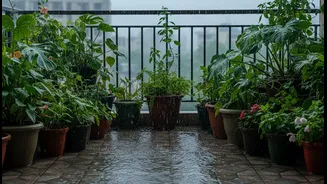
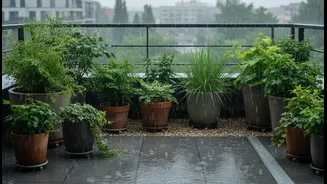
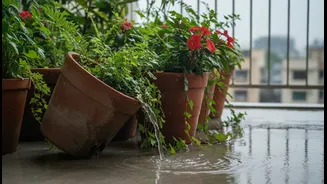
The weight of a garden adds up faster than you might think. It's not just the pots themselves. The biggest culprit is soil, especially when it's wet. Water can nearly double the weight of dry potting mix. A single large terracotta pot filled with saturated soil can easily weigh over 50 kilograms. Now, multiply that by ten or twenty pots, add the weight of the plants themselves as they mature, and the furniture you use to enjoy the space. This cumulative load is what your balcony must support day in and day out. Understanding that wet soil is significantly heavier than dry soil is key to planning a safe layout.
Go Lightweight with Pots and Soil
The easiest way to manage weight is by making smart material choices from the start. Swap traditional terracotta or ceramic pots for lighter alternatives. Fiberglass, resin, and high-quality plastic pots offer the same aesthetic appeal without the heft. Fabric grow bags are another excellent, incredibly lightweight option, particularly for vegetables and herbs. The soil itself is another area where you can shed kilograms. Instead of using heavy garden soil or topsoil, opt for a lightweight potting mix. These mixes are specially formulated for containers and often contain components like coco coir, perlite, or vermiculite, which improve drainage and aeration while keeping the overall weight down.
Choose Plants and Arrangements Wisely
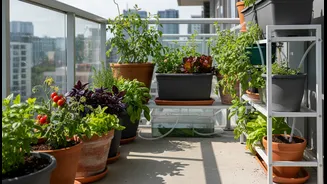
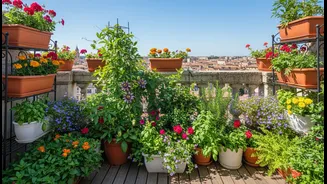
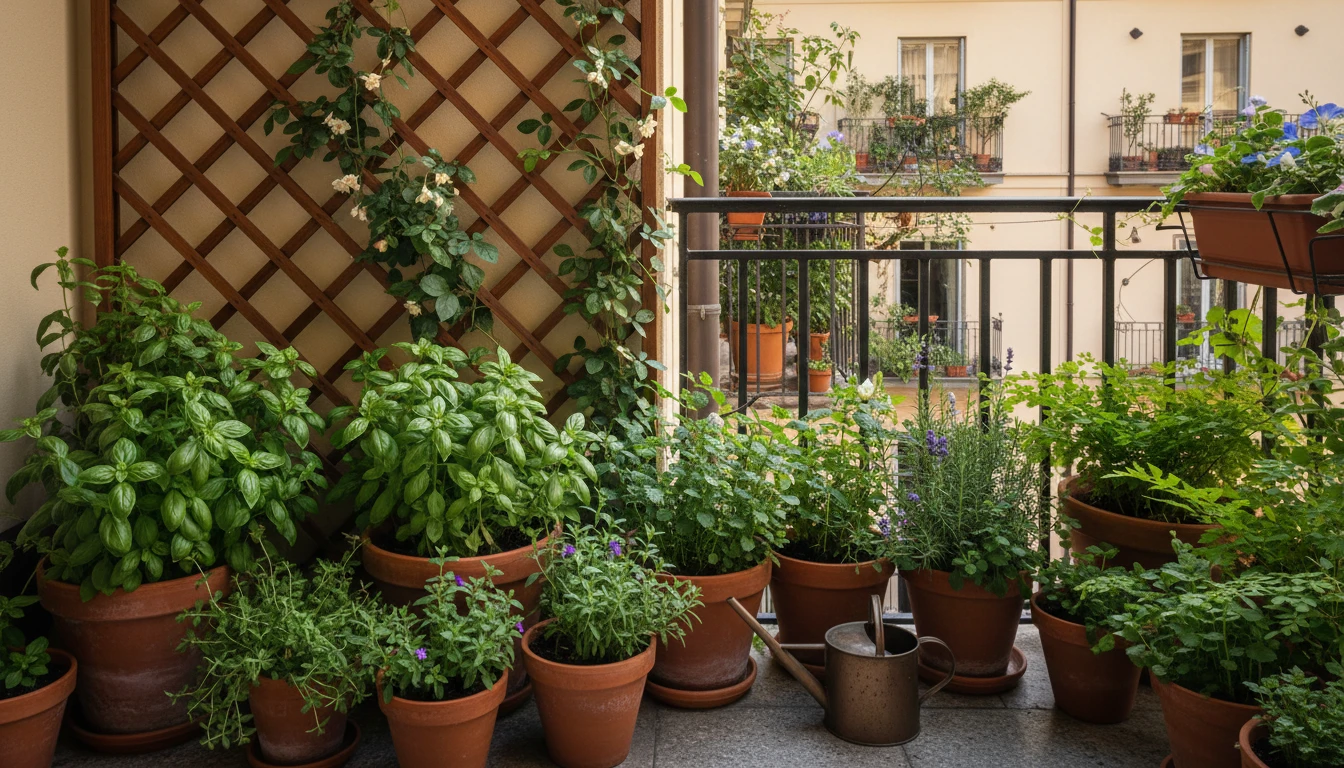
Your choice of plants can also impact the overall weight and success of your garden. For Indian climates, many beautiful and useful plants thrive in containers. Herbs like tulsi, mint, and coriander are perfect for pots. Flowering plants like hibiscus, bougainvillea, and marigolds add vibrant colour without requiring massive root systems. When arranging your garden, think about weight distribution. Place the heaviest pots closer to the apartment's main wall or near structural pillars, where the balcony has the most support. Avoid clustering all your large containers in the middle of the balcony slab. Using vertical planters or wall-mounted shelves is a great way to add more green space without taking up floor area or concentrating weight in one spot.
Smart Watering and Maintenance
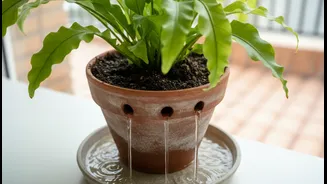
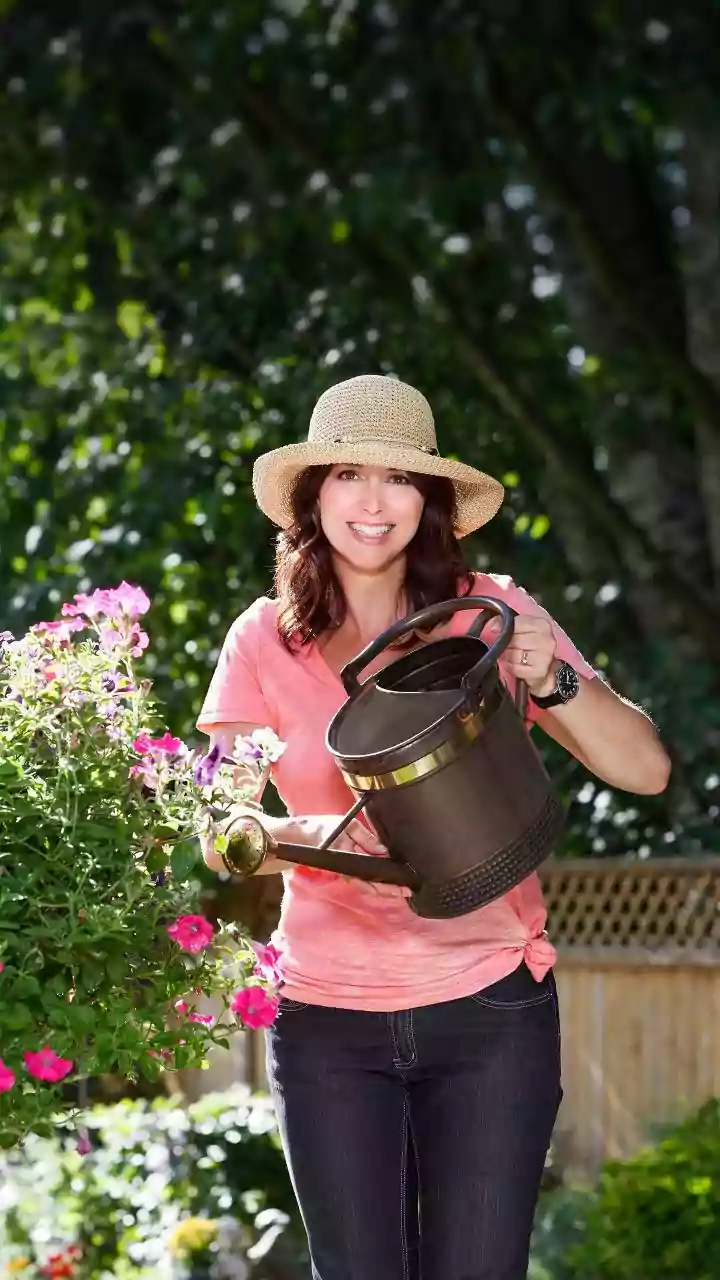
How you water can also influence the load on your balcony. Overwatering not only harms plants but also adds unnecessary weight from waterlogged soil. Ensure all your pots have excellent drainage holes to allow excess water to escape. Placing saucers underneath pots will catch runoff and prevent messes on the floor below. Consider using a drip irrigation system or self-watering planters, which provide a consistent supply of moisture directly to the roots without saturating the entire pot. Regular maintenance, such as pruning plants and checking for pests, keeps your garden healthy and prevents plants from becoming overgrown and heavy.