









A Steady Stream of New Planes
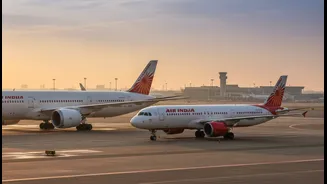
The skies are set to get busier with new Air India aircraft. In a recent announcement, Nipun Aggarwal, the Chief Commercial Officer of Air India, confirmed the airline group expects 50 to 60 new planes to join its fleet within the next year and a half.
This steady infusion of modern aircraft is the most tangible evidence yet of the airline’s transformation journey. Aggarwal stated that after this initial period, the group anticipates adding a similar number of aircraft every year for the next seven to eight years. This aggressive expansion is proceeding despite significant global headwinds, including supply chain disruptions, volatile oil prices, and geopolitical issues that have challenged the aviation industry worldwide.
The Master Plan: Vihaan.AI
This influx of aircraft is not a random occurrence but a core component of 'Vihaan.AI', the five-year transformation roadmap launched after the Tata Group reacquired the airline in January 2022. The plan's name, meaning 'dawn of a new era', encapsulates its ambition: to re-establish Air India as a world-class global airline. The foundation of this revival is a historic aircraft order for over 570 jets from both Airbus and Boeing, one of the largest single orders in aviation history. The goal is to dramatically increase its domestic market share to 30% and significantly expand its international footprint, positioning it to compete with leading global carriers.
What Flyers Can Expect
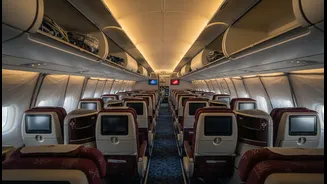
So, what does this mean for passengers? The new deliveries are a mix of wide-body and narrow-body aircraft, each serving a distinct purpose. The wide-bodies, such as the Airbus A350 and Boeing 787-9 Dreamliner, are destined for long-haul international routes. These state-of-the-art planes promise a vastly improved passenger experience, featuring modern cabin interiors, better in-flight entertainment, and, on many routes, the introduction of a Premium Economy class. The narrow-body aircraft, including the Airbus A320neo family and Boeing 737 MAX, will primarily serve domestic and short-haul international destinations. This means more reliable schedules, greater comfort, and more connected routes across India and its neighbouring regions.
Upgrading the Existing Fleet
The transformation is not just about brand-new planes. Air India is simultaneously undertaking a massive, multi-year project to completely retrofit its legacy wide-body fleet. Older Boeing 777 and 787-8 aircraft are being systematically pulled from service and sent for a complete overhaul. This involves gutting the old cabins and installing brand-new seats, entertainment systems, and interiors that match the standards of the incoming aircraft. While this complex process has faced delays due to supply chain constraints, it is a critical part of ensuring a consistent and premium passenger experience across the entire fleet, not just on the newest planes. This dual approach of buying new and refurbishing old is the fastest way to upgrade the entire airline.
The Vision for a Global Leader
Ultimately, the addition of these 50-60 aircraft is a building block in a much larger vision. The Tata Group is not just aiming to fix a struggling airline; it is looking to build an aviation behemoth that can carry the Indian flag with pride across the globe. By investing billions in modern, fuel-efficient aircraft, Air India is positioning itself to reclaim market share from international rivals on lucrative long-haul routes. The consistent arrival of new planes—at a planned rate of almost one per week—signals a clear commitment to this goal. It’s a statement that the Maharaja is not just back, but is preparing to compete for a seat at the top table of global aviation.