

A Chokepoint Defined by Geography
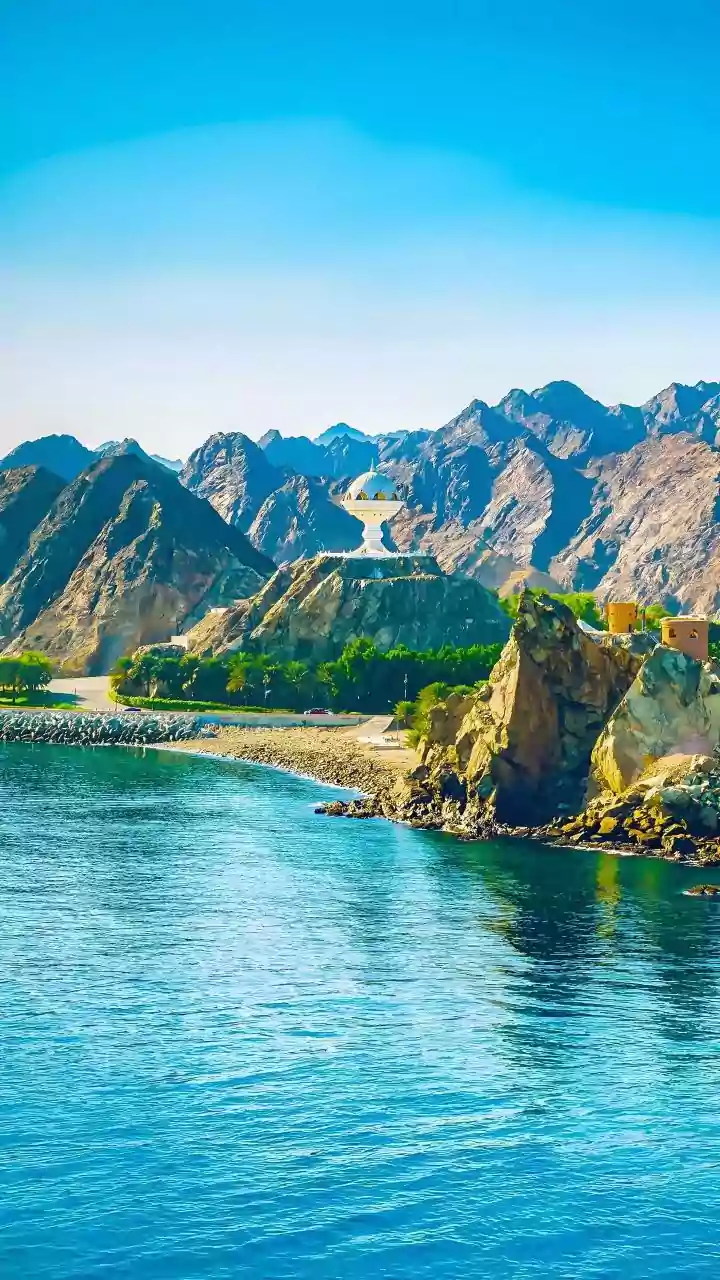
To understand the power of Hormuz, one must first look at a map. The strait is the only sea passage connecting the energy-rich Persian Gulf to the open ocean via the Gulf of Oman and the Arabian Sea. Sandwiched between Iran to the north and Oman to the south,
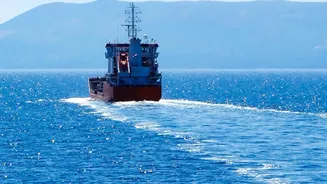
its narrowest point is a mere 39 kilometres across. The actual shipping lanes are even more constricted: two channels, each just over three kilometres wide, for inbound and outbound traffic. This geography creates a natural funnel, a maritime chokepoint through which a huge volume of global trade must pass with no easy alternatives. While Saudi Arabia and the UAE have developed some limited pipeline capacity to bypass the strait, other major producers like Iraq, Kuwait, and Qatar are almost entirely dependent on it to get their energy to market. This physical constraint is the foundation of its strategic power; controlling Hormuz means controlling the flow of a significant portion of the world’s energy.
A History Forged in Trade and Conflict
Long before oil was discovered, the Strait of Hormuz was a vital corridor for global commerce. For centuries, it was a key artery for the Silk Road, linking merchants carrying spices from India, textiles from Persia, and other luxury goods to the rest of the world. Ancient empires, from the Achaemenids to the Sassanids, recognised its value. In the 16th century, the Portuguese empire captured the strait to dominate the lucrative spice trade routes to India, cementing its role as a geopolitical lever. However, its modern importance was forged in the 20th century with the discovery of vast oil reserves in the Persian Gulf. The strait transformed from a route for silks and spices to a superhighway for supertankers. Its vulnerability was starkly demonstrated during the Iran-Iraq War in the 1980s. The 'Tanker War' phase saw commercial vessels targeted, proving that conflict in the region could instantly threaten global energy supplies and send shockwaves through the world economy.
The Artery of Global Energy
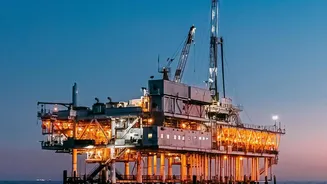
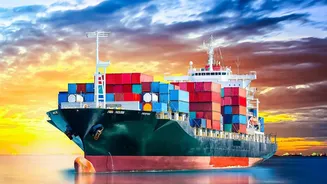
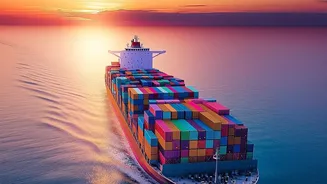
The numbers surrounding Hormuz are staggering. On any given day, around 21 million barrels of oil pass through the strait. This represents roughly one-fifth of the entire world’s daily petroleum consumption and about a quarter of all oil traded by sea. The majority of these exports are destined for the booming economies of Asia, including China, Japan, South Korea, and India. But it's not just oil. The strait is also a critical passage for Liquefied Natural Gas (LNG), handling about 20% of the global supply. Qatar, one of the world's largest LNG exporters, relies almost exclusively on this route. Any disruption, whether from political tensions, military conflict, or an accident, can cause an immediate spike in global energy prices. The cost of shipping insurance skyrockets, and energy markets react within minutes, demonstrating how deeply intertwined global financial stability is with this single, narrow waterway.
Why Hormuz Matters Deeply to India
For India, the stability of the Strait of Hormuz is not a distant geopolitical issue; it's a matter of core economic and energy security. As the world's third-largest oil importer, India has a profound dependence on supplies that transit this chokepoint. Historically, a significant portion of India’s crude oil imports and the vast majority of its Liquefied Petroleum Gas (LPG) — the primary cooking fuel for millions of households — arrives via this route. Furthermore, India relies heavily on LNG imports to meet its natural gas needs, with Qatar being a primary long-term supplier. Any disruption in the strait directly threatens to increase fuel prices across India, impacting everything from transport costs for farmers to the price of cooking gas for families. The constant geopolitical risk has pushed New Delhi to diversify its energy sources, increasing imports from countries like the United States and Nigeria, but the strait remains a vital lifeline that directly affects India’s economic health.
Navigating a Tense and Uncertain Future
The strait's immense strategic value also makes it a perennial flashpoint for geopolitical tension. Its proximity to Iran places it at the center of regional power dynamics and conflicts. Threats to disrupt or close the strait have been a recurring feature of international relations for decades, often leading to the presence of international naval forces to ensure freedom of navigation. Even the threat of disruption is enough to roil markets. In an era of interconnected global supply chains, the lesson of Hormuz is that geography remains paramount. The world has built a complex economic system that relies on the predictable flow of goods through a handful of these critical chokepoints. As long as the world runs on oil and gas from the Persian Gulf, the security of this narrow passage will remain one of the most important, and fragile, pillars of the global economy.