


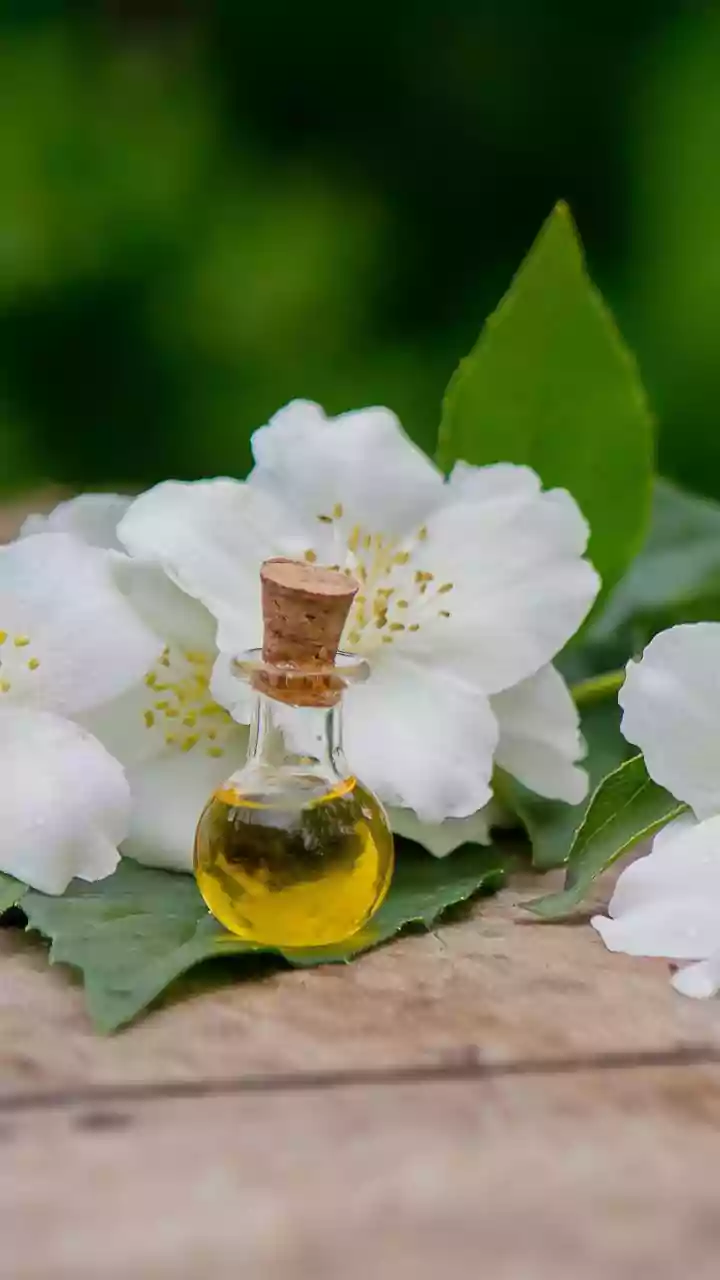




Meet the Starry Wild Jasmine
Often called Starry Wild Jasmine or by its botanical name, Jasminum multipartitum, African Jasmine is a rewarding and versatile plant native to Southern Africa. It’s a member of the true jasmine family, a distinction worth noting as many plants share
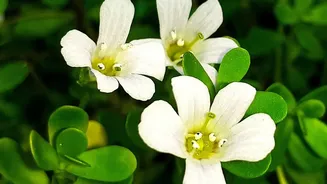
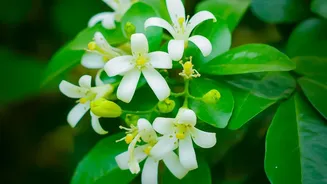
the 'jasmine' name without being related. This evergreen can be grown as a scrambling shrub or trained as a climber, reaching up to three metres in height if given support. Its most stunning feature is the profusion of star-shaped white flowers that emerge from pink-hued buds. These blooms sit against a backdrop of glossy, dark green leaves, making it an attractive plant even when not in flower.
An Unforgettable Evening Fragrance
The primary allure of African Jasmine is its incredible scent. While delicately fragrant during the day, its sweet, opulent perfume intensifies dramatically in the evening and at night. This characteristic makes it a perfect plant for patios, bedrooms, or any seating area used after sunset. The fragrance is classic white floral—rich, sweet, and complex, with a clean freshness that prevents it from being overwhelming. Perfumers note that jasmine can have green, fruity, or even slightly musky undertones, adding to its sophisticated profile. Cuttings brought indoors will continue to open and release their scent, allowing you to enjoy the aroma throughout your home.
Versatility in the Garden and Home
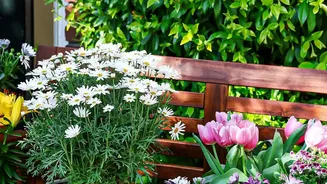
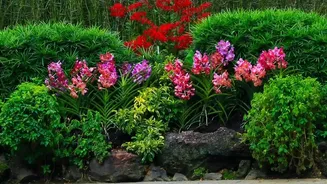
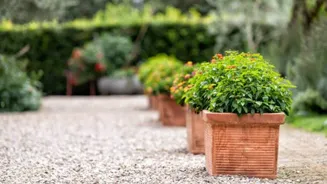
In the garden, African Jasmine is a true performer. It can be trained up a trellis or fence, used as a sprawling groundcover, or shaped into an informal hedge. Its fast-growing nature makes it ideal for creating screens or covering structures. For those in cooler climates, it thrives in containers and can be brought indoors or into a protected area during winter, as it is frost-tender. It prefers a position in full sun to partial shade and does best in well-drained soil enriched with organic matter. Once established, it is reasonably drought-tolerant but appreciates regular watering during dry spells.
Aroma, Tea, and Tradition
Beyond its ornamental use, African Jasmine has several traditional applications. The fragrant flowers are popularly used to make potpourri, scent baths, or even a delicate herbal tea. In some African traditions, it is considered a love charm. The flowers can also be used as an elegant, edible garnish for salads, desserts, and drinks, provided they are grown without pesticides. The plant's aroma is widely associated with relaxation and stress relief, making it a cornerstone of aromatherapy practices aimed at calming the mind and improving sleep quality.
A Safe and Rewarding Choice
For households with pets, plant choice is a serious consideration. Thankfully, true jasmines of the Jasminum genus, including African Jasmine, are considered non-toxic to cats, dogs, and horses according to the ASPCA. This makes it a safer choice compared to other fragrant plants like Cape Jasmine (Gardenia jasminoides) or the highly toxic Carolina Jessamine (Gelsemium sempervirens), which are sometimes confused due to their common names. Furthermore, its flowers are a valuable resource for pollinators, attracting hawk moths, butterflies, and bees, which in turn can draw insect-eating birds to your garden. Its edible black berries are also a treat for local birdlife.