



Why Layering Works: The Science of Flavor
Spices contain complex flavor compounds, and not all of them behave the same way. Some of these compounds are fat-soluble, while others are water-soluble. This is the fundamental principle behind layering. If you simply dump all your spices into a pot
of simmering liquid, you're only extracting the water-soluble flavors, leaving a huge amount of potential behind. The goal of layering is to treat different spices differently based on their properties, adding them at specific stages of cooking to extract their full potential and build a flavor profile that is deep, aromatic, and complex rather than one-dimensional.
Layer 1: The Foundation of Heat & Earthiness
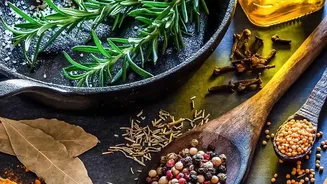
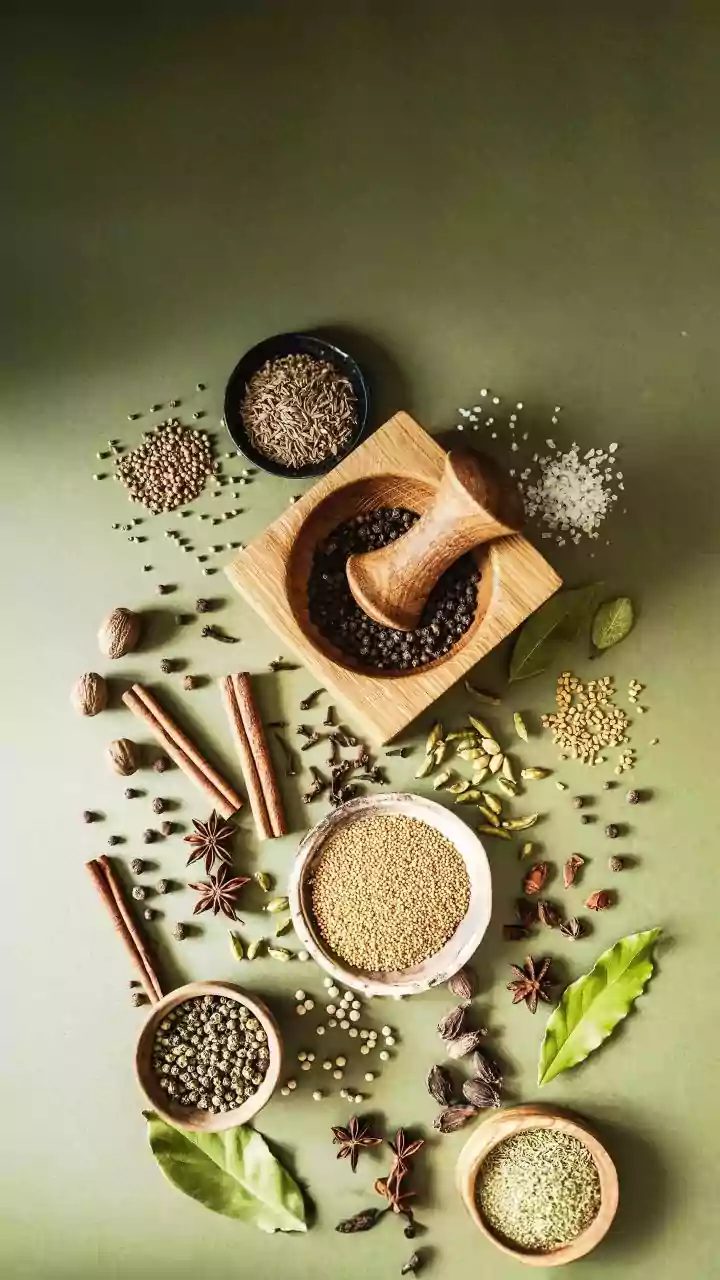
The first layer is all about building a robust base. This step, often called blooming or tempering (known as tadka or chaunk in India), involves heating whole spices in hot oil or ghee right at the start of the cooking process. Hardy whole spices like cumin seeds, mustard seeds, cloves, and cinnamon sticks release their fat-soluble essential oils when they hit the hot fat. This does two things: it toasts the spices, creating deeper, nuttier flavors through the Maillard reaction, and it infuses the oil itself with flavor. That oil then becomes a carrier, distributing that foundational flavor throughout every ingredient you add next. This is also the stage where you add things like dried red chilies to establish the base level of heat for the entire dish.
Layer 2: The Heart of the Aroma
The second layer is added after your aromatics, like onions and ginger, have been sautéed in the infused oil. This is the time for ground spices: coriander, turmeric, cumin powder, and chili powders. Ground spices have a much larger surface area and can burn very quickly in direct, high heat. By adding them after the onions or with a splash of liquid like tomato puree, you lower the temperature and introduce moisture. This allows the ground spices to cook and meld without scorching, releasing their water-soluble compounds and forming the aromatic heart of the dish's flavor. This stage is about building the main body of the curry or stew, creating a cohesive and well-rounded taste.
Layer 3: The Finishing Touch of Freshness
The final layer is all about bright, fresh, and volatile aromas that would be destroyed by long cooking. This is where you add finishing spices and fresh herbs. Aromatic spice blends like garam masala are often sprinkled in during the last few minutes of cooking. Its delicate compounds, like those in cardamom and clove, are preserved, adding a final, fragrant top note. Similarly, fresh herbs like cilantro or mint are added just before serving to provide a burst of freshness that contrasts with the deep, cooked flavors. In some dishes, a second, final tadka of spices bloomed in ghee is poured over the finished plate, adding a dramatic sizzle and a final, intense layer of aroma right at the table.