






The Kitchen: Convenience with a Cost
The kitchen is often the heart of the home, and also a primary zone for water usage. While a modern dishwasher can be more water-efficient than handwashing dishes, this is only true when you run a full load. Running it half-empty for convenience negates
the savings. Similarly, the habit of pre-rinsing dishes under a running tap before loading them into the dishwasher can double your water use for that single chore. Another significant water user in many Indian homes is the Reverse Osmosis (RO) water purifier. For every litre of water it purifies, an average RO system can send two to three litres of reject water down the drain. Simple habits like washing vegetables in a bowl of water instead of under a running tap, and defrosting food in the refrigerator rather than under flowing water, can also lead to substantial savings.
The Bathroom: High-Flow Habits
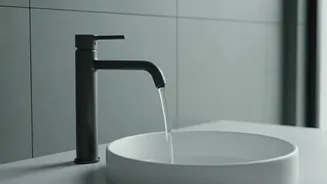
Bathrooms are notorious for high water consumption. The convenience of a long, hot shower comes at a high price; a bucket bath uses significantly less water. Modern high-pressure and rain showerheads, while luxurious, can use a large volume of water in minutes. Turning off the tap while brushing your teeth, lathering your hands, or shaving is a small habit that can save several litres of water every day. Another hidden water waster is a leaky toilet flush. A simple way to check for a leak is to add a few drops of food colouring to the toilet tank. If the colour appears in the bowl without flushing, you have a leak that is quietly wasting water. Upgrading to a dual-flush system, which uses less water for liquid waste, is another effective long-term solution.
The Laundry Room: Loads of Water
The washing machine has made laundry a much easier chore, but its convenience can lead to higher water use. The key is to always run the machine with a full load. Washing a few items at a time out of convenience is highly inefficient. The type of machine also matters immensely. Front-loading washing machines are significantly more water-efficient, using up to 50% less water than top-loading models because their tumbling wash action doesn't require the entire drum to be filled. Top-loaders, while often cheaper and easier to load, submerge clothes completely and therefore use much more water per cycle. For lightly soiled clothes, choosing a quick-wash cycle can also reduce water consumption.
Outdoor and Cleaning Choices
Convenience often dictates how we clean our outdoor spaces. Using a hose to clean a driveway, balcony, or car is quick but extremely wasteful, potentially using gallons of water per minute. A simple switch to using a broom for dry debris and a bucket of water for washing can make a huge difference. When watering plants, doing so during the early morning hours reduces evaporation. Instead of a constant-flow hose, consider using a watering can or installing a drip irrigation system for better efficiency. Even the wastewater from your RO purifier can be collected and conveniently used for watering non-edible plants, cleaning floors, or washing your vehicle, turning waste into a resource.