





What Sparked the FSSAI Probe?
The Food Safety and Standards Authority of India initiated enforcement action against CG Foods India Pvt Ltd following an inspection at its manufacturing facility in Roopangarh, Ajmer, Rajasthan. The goal of the visit was to verify the company’s compliance
with manufacturing and hygiene standards. The findings were significant enough to prompt immediate regulatory measures, shining a spotlight on the practices at the plant, which belongs to the company famous for the popular 'Wai Wai' instant noodles brand.
A List of Alarming Allegations
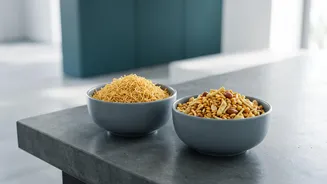
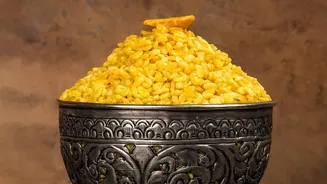
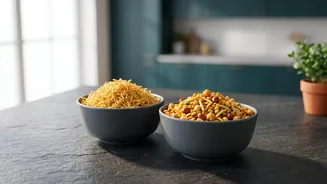
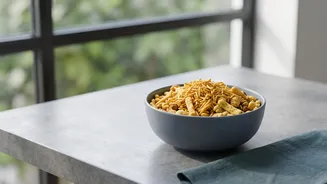
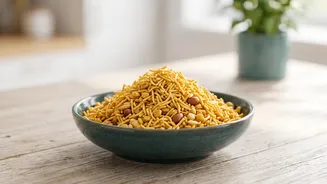
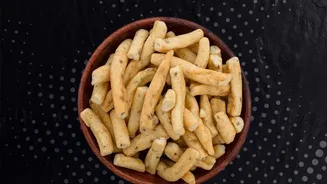
During the inspection, FSSAI officials uncovered multiple serious violations. Perhaps the most disturbing finding was that the unit was allegedly re-processing broken noodles that had been collected from the floor and turning them into bhujia products without proper heat treatment. Furthermore, the regulator identified the unlicensed manufacturing of two bhujia variants, 'Wai-Wai MaMa' and 'Wai-Wai Mama Punte', a direct violation of food safety laws. The company was also accused of using predated packaging and had several other deficiencies related to hygiene and inadequate pest-control records.
The Immediate Regulatory Action
The response from FSSAI was swift and decisive. The authority ordered CG Foods to immediately stop the production of its 'veg bhujia namkeen' products. In a significant move, the food watchdog seized a massive 32,107.2 kg of stock on-site, which included loose broken noodles intended for processing. In addition to this, officials detained 1,925 boxes of finished goods that were found to be expired. FSSAI has collected samples of the products and used cooking oil for laboratory analysis, indicating that further regulatory action could follow based on the results. Strict legal proceedings have also been initiated against the company.
Who Is CG Foods?
While the name CG Foods might not be instantly familiar to everyone, its flagship brand certainly is. The company is the Indian arm of CG Corp Global, a multinational conglomerate headed by Nepali billionaire Binod Chaudhary, and is the producer of the widely popular 'Wai Wai' instant noodles. This connection makes the FSSAI's findings particularly noteworthy, as it involves a major player in India's packaged food industry. The action is not just about a local snack maker but a company with a significant national footprint.
What This Means for Consumers
For consumers, this incident is a stark reminder of the importance of food safety oversight. The FSSAI's action is designed to prevent unsafe products from reaching the market, but it also raises questions about what might be happening elsewhere in the vast and varied snack industry. This case, involving a well-known company, underscores that brand recognition alone does not guarantee compliance. It highlights the crucial role of regulators in conducting surprise checks and enforcing standards to protect public health. The FSSAI has made it clear that production of the affected items must not resume without proper approvals and corrective measures in place.