


India's electric car market is white-hot. Retail sales soared by a staggering 76.47% in October 2026 compared to the previous year. This isn't a fluke; it's a perfect storm of policy, product, and shifting consumer priorities. Let's break down what’s
fuelling this EV revolution.
The Numbers Tell the Story
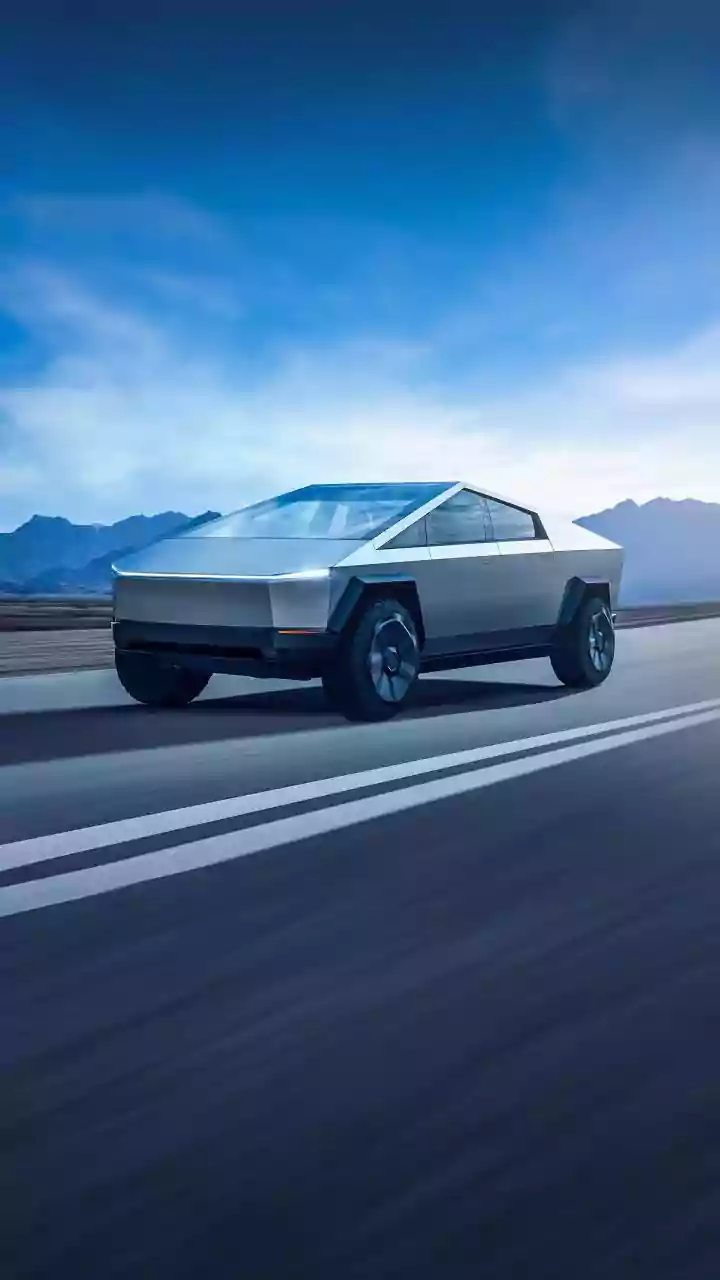
October 2026 saw 37,049 electric passenger vehicles sold in India, a massive leap from the 20,995 units sold in October 2025. This surge pushed the market share of EVs in overall car sales to 7.3%, more than double the 3.5% share seen just a year prior. While Tata Motors continues to lead the charge with 14,669 units sold, competitors are gaining ground. Mahindra & Mahindra secured the second spot with a powerful 85.7% year-on-year growth, selling 8,538 EVs. This isn't just about the market leaders; the entire ecosystem, from luxury brands like BMW and Tesla to new entrants like VinFast, is expanding, signalling a deep structural shift in the Indian automotive landscape.
More Choices, Better Cars
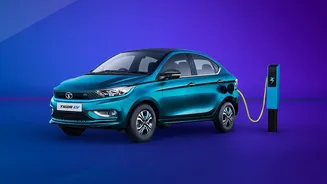
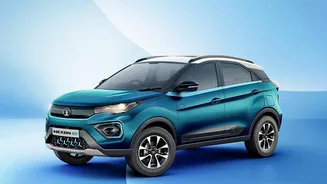
For years, the Indian EV market was a story of limited options. That narrative has been completely rewritten. The recent surge is heavily driven by the launch of new, compelling models in the crucial mass-market segment. The Tata Punch EV, for example, became the first electric car to cross 5,000 monthly sales, demonstrating the massive appetite for affordable electric SUVs. With a five-star safety rating and a practical real-world range, models like these are convincing buyers that an EV can be their primary family vehicle. Carmakers are now offering a wider spectrum of choices, from compacts like the Tata Tiago EV to a growing array of electric SUVs from Mahindra, MG, and Kia, addressing different price points and needs.
The Policy Push and Price Pain
The government has played a crucial role in greasing the wheels for EV adoption. Favourable tax structures, such as a low 5% GST on EVs compared to much higher rates for internal combustion engine (ICE) cars, create a significant price advantage from the start. While central government purchase subsidies for private cars are limited under the new PM E-DRIVE scheme, many state governments offer their own substantial incentives, including waivers on road tax and registration fees, which can slash the on-road price by lakhs. This policy support is amplified by persistently high fuel prices. With petrol consistently over ₹100 per litre in major cities, the low running cost of an EV—estimated to be as little as ₹1.14 per kilometre for home charging—presents a powerful economic argument that is hard for consumers to ignore.
Charging Forward on Infrastructure
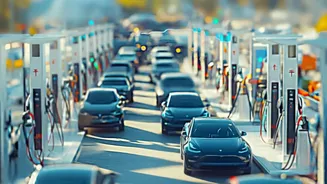
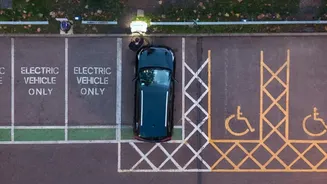
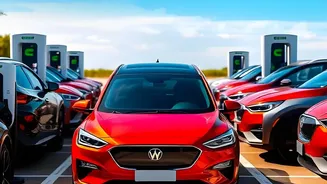
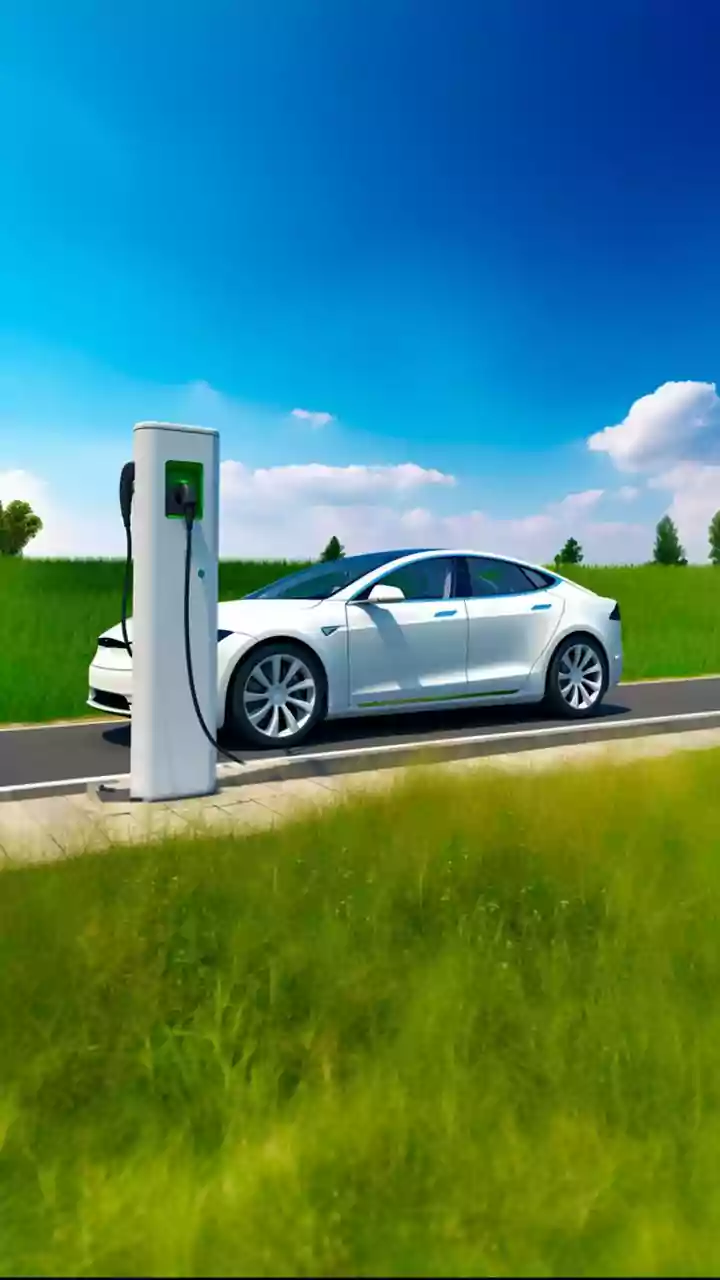
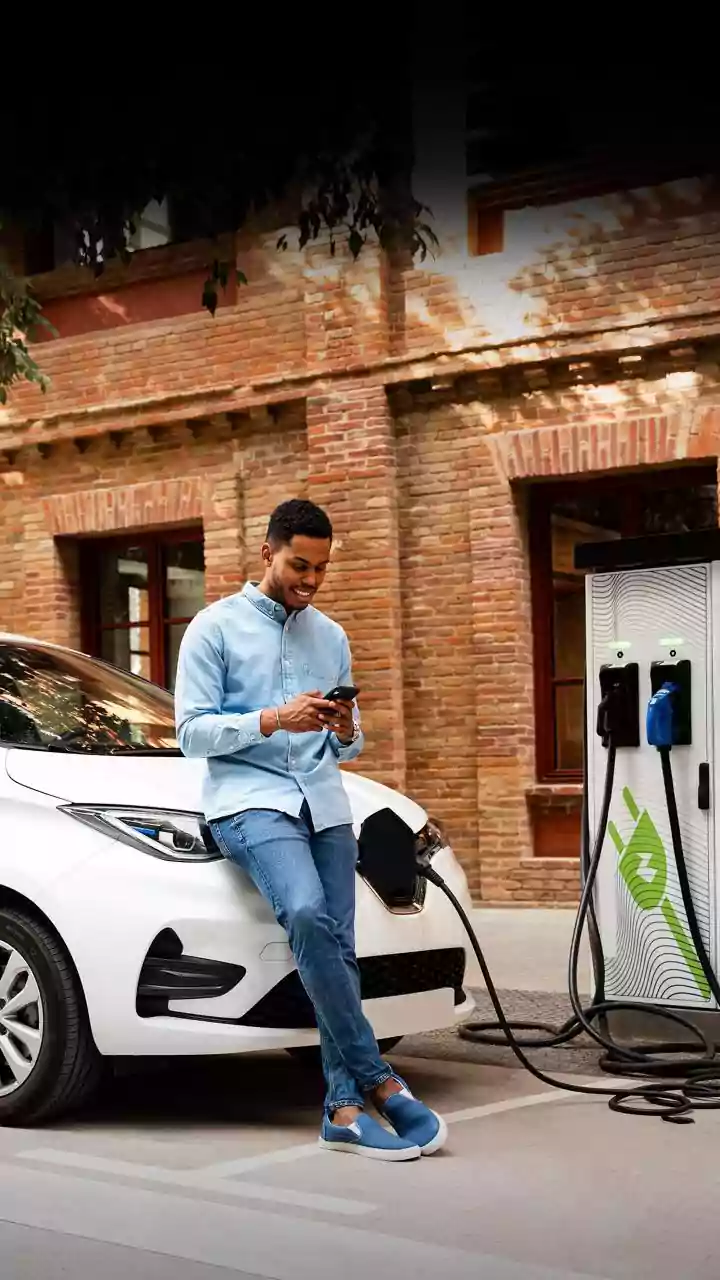
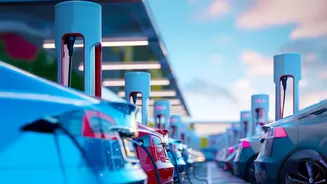
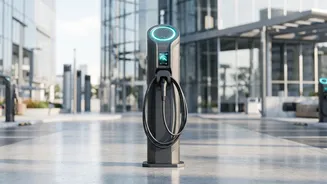
‘Range anxiety’ has long been the biggest ghost haunting the EV transition. That fear is finally beginning to fade. A noticeable expansion of the public charging network, especially along major highways and in Tier-1 and Tier-2 cities, is giving consumers the confidence to make the electric leap. The government's PM E-DRIVE scheme has also allocated ₹2,000 crore specifically for bolstering this charging infrastructure. As a result, the conversation is shifting from 'Where will I charge?' to 'How fast can I charge?'. This growing confidence is crucial, turning EVs from citybound commuters into viable vehicles for intercity travel and moving them from a niche interest to a mainstream consideration.