




The Soothing Simplicity of a Ginger Compress
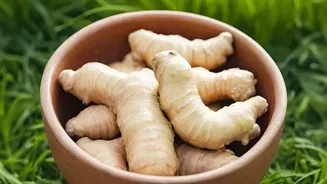
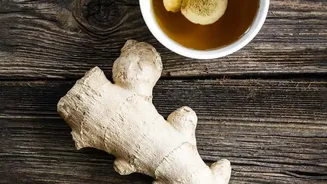
At its heart, a ginger compress is a form of heat therapy. It involves soaking a cloth in hot water infused with freshly grated ginger and applying it to the skin. The practice has been used for centuries, particularly in Eastern and macrobiotic traditions,
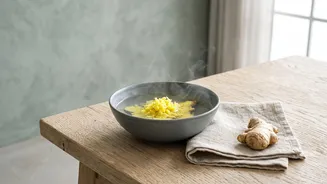
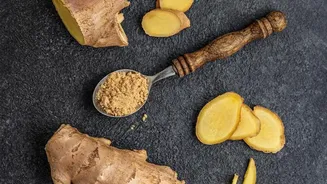
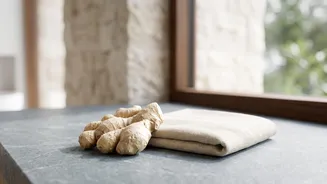
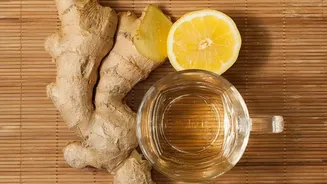
as a go-to home remedy. The process is straightforward: grate fresh ginger into a cloth, steep it in a pot of hot—not boiling—water, and then use towels dipped in this fragrant liquid to apply penetrating warmth to a specific area of the body. The towels are swapped out every few minutes to maintain a consistent, comfortable heat. The immediate sensation is one of deep, penetrating warmth, which is inherently relaxing and comforting.
Fact: The Undeniable Power of Warmth
The primary, scientifically-backed benefit of a ginger compress comes from the heat. Applying warmth to the body causes vasodilation, which means it widens blood vessels. This increases blood flow to the area, delivering more oxygen and nutrients that can help tissues recover. This boost in circulation also helps to loosen stiff joints and relax tight, spasming muscles, making it a useful tool for non-specific back pain, muscle tension, and menstrual cramps. Studies on heat therapy confirm it can effectively reduce pain and stiffness associated with conditions like osteoarthritis. The warmth also has a secondary effect: the sensation itself can distract the brain from pain signals, providing further relief. Essentially, the comfort you feel from a hot ginger compress is a real physiological response to heat.
Myth: A Miracle Cure for Cysts and Toxins
This is where the claims often outpace the evidence. Proponents suggest ginger compresses can do everything from dissolving ovarian cysts and kidney stones to drawing out deep-set toxins. While traditional belief is strong, there is no robust scientific evidence to support the idea that applying a hot ginger cloth to your skin can break down or cure internal growths like cysts or fibroids. Medical professionals advise that the only reliable way to have a cyst removed is by a doctor, and attempting to pop or drain one at home can lead to infection. While some studies look at ingested ginger for its potential role in managing PCOS or even fighting cancer cells, this is very different from a topical application. The warmth may ease associated discomfort, but it is not a cure.
The Role of Ginger: More Than Just a Scent?
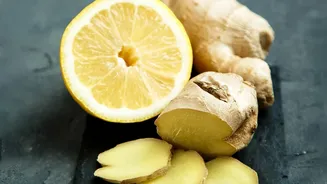
While heat does the heavy lifting, the ginger itself is not just for show. Ginger contains active compounds like gingerols and shogaols, which are known for their anti-inflammatory and antioxidant properties. Some research suggests these compounds can be absorbed through the skin and may offer localized anti-inflammatory effects, which could be helpful for conditions like osteoarthritis. Studies have explored topical ginger for reducing pain and inflammation, with some positive results. The aromatic properties of ginger also contribute to the overall relaxing and therapeutic experience of the ritual. So, while it may not be dissolving blockages, the ginger likely adds a modest anti-inflammatory and analgesic (pain-relieving) boost to the primary effect of the heat.
Using Ginger Compresses Safely for Comfort
If you want to use a ginger compress for general wellness, muscle aches, or relaxation, it is a low-risk and comforting practice. However, safety is key. The water should be hot but not scalding to avoid burns—test it carefully before applying the compress. Do not use compresses on open wounds, rashes, or areas with nerve damage or poor circulation. For people with certain conditions like vascular diseases, it's wise to check with a doctor first. The goal is to create a soothing experience, not to treat a serious medical condition. Think of it as an elevated hot water bottle—a tool for comfort and self-care that can ease minor aches and promote relaxation through the simple, effective power of warmth.