


A Blueprint for Escape
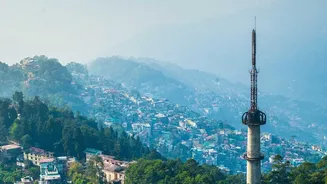
To understand their current crisis, we must look to their origins. Most of India’s iconic hill stations—Shimla, Mussoorie, Ooty, Darjeeling—were built by the British Raj in the 19th century. They were designed as exclusive refuges from the scorching summer
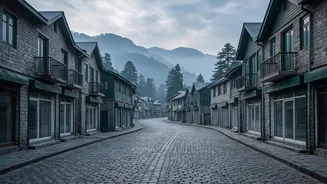
heat of the plains, meticulously planned to evoke a sense of the English countryside with their gabled cottages, manicured gardens, and social clubs. These towns were established as centres of leisure and administration, summer capitals where officials could work and families could socialise in a cooler, more familiar climate. The famous 'Mall Roads' were not originally bustling markets but promenades for leisurely evening strolls and social displays for the European elite. This colonial blueprint created the very 'charm' that generations of travellers have sought ever since.
From Elite Retreat to Mass Destination
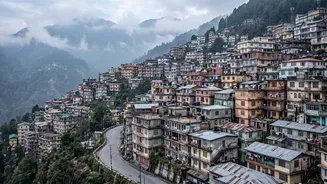
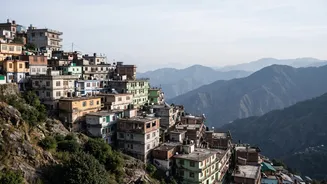
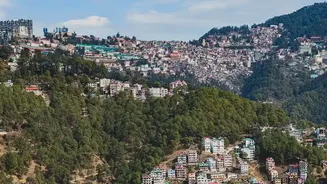
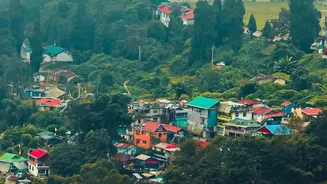
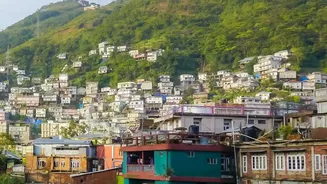
After independence, the character of these hill stations began to change. Once exclusive, they became accessible to a newly mobile Indian middle class. The rise of domestic tourism, combined with better road and rail connectivity, turned these quiet retreats into popular holiday destinations for everyone. What was once a seasonal escape for a few thousand became a year-round destination for millions. This democratic shift, however, came at a cost. The infrastructure, originally designed for a tiny population, was never meant to handle such a massive influx. Shimla, for instance, was built for a population of about 25,000; it now grapples with a population of over 800,000, which swells even further with tourists. This fundamental mismatch between design and demand is at the heart of their modern problems.
The Weight of a Million Footsteps
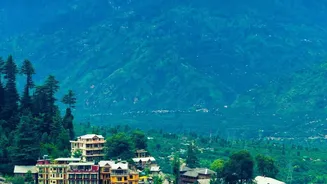
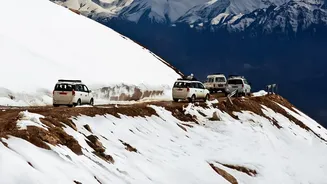
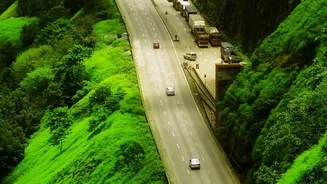
Today, the term 'over-tourism' defines the experience in many hill stations. The signs are impossible to ignore: hours-long traffic jams on narrow mountain roads, overflowing hotels, and markets packed shoulder-to-shoulder. Manali's route to Rohtang Pass has become infamous for its gridlock, while Mussoorie often carries more than five times its capacity during peak season. This deluge of visitors is driven by a desire to escape rising temperatures in the plains, the accessibility of weekend trips, and social media trends that concentrate tourists in the same few 'Instagrammable' spots. The very act of millions seeking peace and nature has ironically destroyed the tranquility they crave, turning scenic spots into queues for selfies.
An Ecosystem at Its Breaking Point
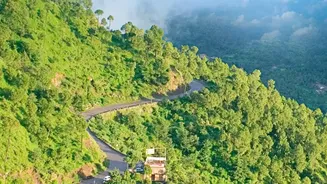
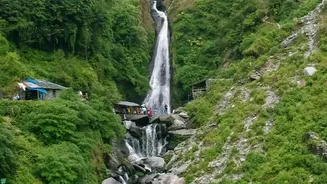
The most severe consequence of this unchecked growth is environmental degradation. The fragile Himalayan ecosystem is buckling under the pressure. Unregulated construction of hotels and guesthouses has led to widespread deforestation, destabilising hillsides and increasing the risk of landslides. Water resources are critically strained. Hill stations like Shimla have faced severe water shortages for years, with local residents often left without supply while hotels cater to tourist demands. Waste management has completely collapsed in many areas. With tourists leaving behind tonnes of garbage, including plastics that pollute rivers like the Beas in Manali, these once-pristine environments are choking on trash. Air and noise pollution from the constant traffic further erode the natural setting, with temperatures in some hill towns even beginning to rise.