





The Sticker Shock of Wellness
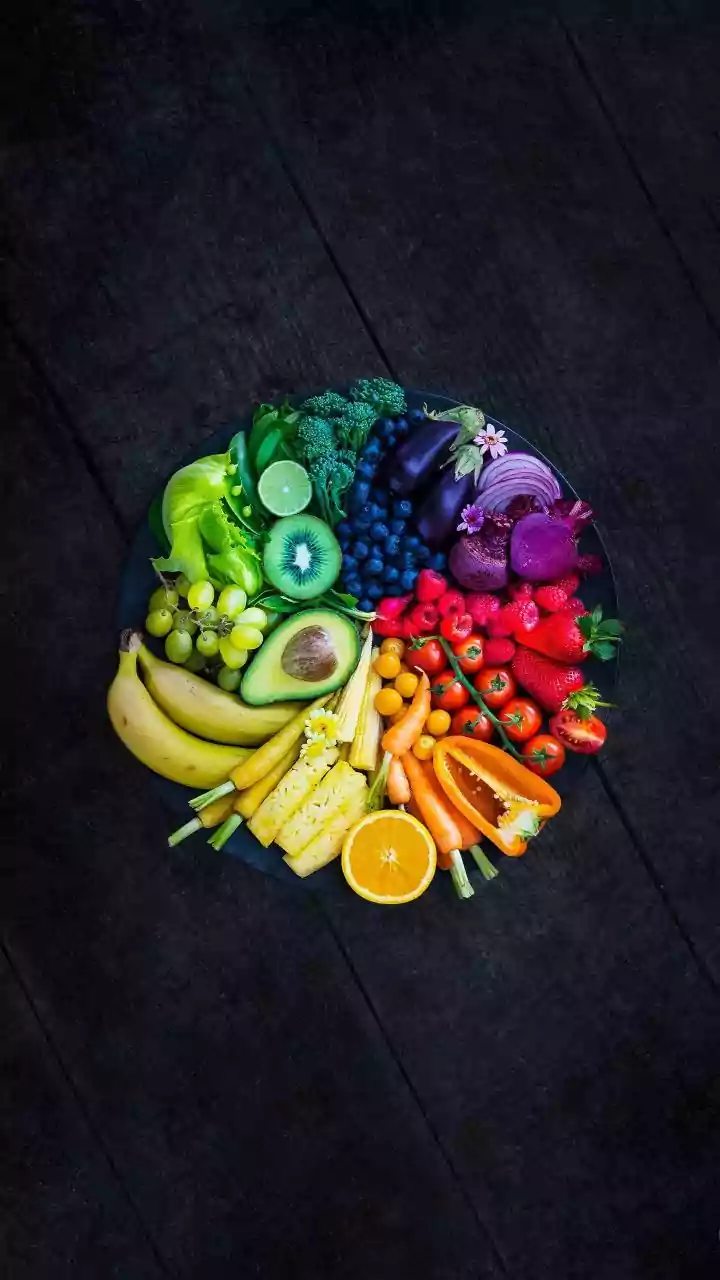
Walk into any market and the cost divide is clear. The price of brown rice versus white rice, lean chicken versus fatty cuts, or fresh, seasonal fruits compared to packaged, processed snacks tells a consistent story. Healthy foods are often significantly
more expensive per calorie than their less nutritious counterparts. For example, nutrient-dense items like dark green leafy vegetables can cost 8 to 22 times more per calorie than starchy staples like rice or wheat. This price disparity isn't just a perception; studies confirm that the financial barrier to a healthy diet is very real for millions of Indian households. When budgets are tight, families are often forced to prioritise caloric intake over nutritional quality, opting for cheaper, energy-dense foods that fill stomachs but lack essential vitamins and minerals.
Why Does 'Healthy' Cost More?
Several systemic factors contribute to the high price of nutritious food. Government policies have historically subsidised staple grains like rice and wheat, making them cheap and abundant. While crucial for food security, this focus has often come at the expense of diversifying agriculture towards pulses, fruits, and vegetables. Fresh produce has a shorter shelf life and is more vulnerable to spoilage, which increases costs throughout the supply chain. In contrast, processed foods are designed for longevity, using preservatives and industrial-scale production to drive down prices. Furthermore, the marketing of foods as 'healthy' or 'organic' often adds a premium, positioning them as lifestyle products rather than everyday essentials.
The Ideal vs. The Reality
Nutritional guidelines, like those from the National Institute of Nutrition, paint a picture of an ideal plate: a balanced mix of cereals, proteins, fats, vitamins, and minerals. However, for a vast majority of the population, this ideal is financially out of reach. Studies have shown that a recommended nutritious diet can cost a significant portion of a daily wage for unskilled rural workers, making it unaffordable for many. As a result, many Indian diets are disproportionately high in carbohydrates and low in essential micronutrients, leading to a unique and challenging public health situation. This creates a paradox where India grapples with both undernutrition, like stunting and anaemia, and a rising tide of overnutrition-related issues like obesity and diabetes.
The Hidden Toll of a Poor Diet
The immediate savings from choosing cheaper, less healthy foods come with long-term costs. Diet-related non-communicable diseases, including diabetes, heart disease, and hypertension, are on the rise across the country. The economic burden of these conditions is substantial, leading to increased healthcare expenses and lost productivity that can trap families in a cycle of poverty and poor health. Malnutrition in childhood can also have lifelong consequences, affecting cognitive development, school performance, and future earning potential. Therefore, the inability to afford a healthy diet is not just a personal problem but a national crisis with deep social and economic implications.
Bridging the Gap on a Budget
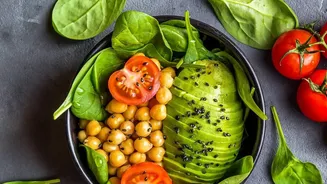
While systemic changes like diversifying agriculture and strengthening supply chains are essential, individuals are not powerless. Making informed choices can help bridge the affordability gap. Prioritising local and seasonal fruits and vegetables is a great start, as they are often cheaper and more nutrient-dense. Incorporating affordable protein sources like lentils, chickpeas, and other pulses, which have long been a cornerstone of Indian cuisine, can stretch a food budget effectively. Planning meals, cooking at home, and reducing reliance on processed and takeaway foods can also lead to significant savings and better health outcomes. Simple traditional meals like dal-rice or khichdi are not only economical but also provide a good balance of protein and carbohydrates.