




The High-Protein Craze
For years, the wellness world has been dominated by a simple mantra: more protein is better. This macronutrient is essential for building and repairing muscle, supporting our immune system, and keeping us feeling full. This has fueled a booming market
for high-protein versions of everything from cereals to chips. The trend is driven by a consumer demand for foods that feel healthy and convenient. While a focus on protein has its benefits, especially for athletes and older adults trying to preserve muscle mass, this single-minded pursuit can sometimes obscure a more important goal: overall dietary quality. The risk is that in chasing a high protein number, we might neglect other vital nutrients found in a balanced diet, such as fibre, vitamins, and healthy fats.
It's Not Just How Much, But When
One of the most significant shifts in thinking is around protein timing and distribution. The scientific consensus is growing that spreading your protein intake throughout the day is more effective than consuming it all in one or two large meals. Research shows that evenly distributing protein across breakfast, lunch, and dinner can be superior for muscle protein synthesis—the process by which our bodies build muscle. For example, one study found that ingesting 20 grams of protein every three hours was more effective for stimulating muscle growth than having larger, less frequent servings. Instead of a low-protein breakfast followed by a massive protein-heavy dinner, a more balanced approach with moderate protein at each meal seems to provide a more consistent stimulus for muscle health and repair.
Quality Over Sheer Quantity
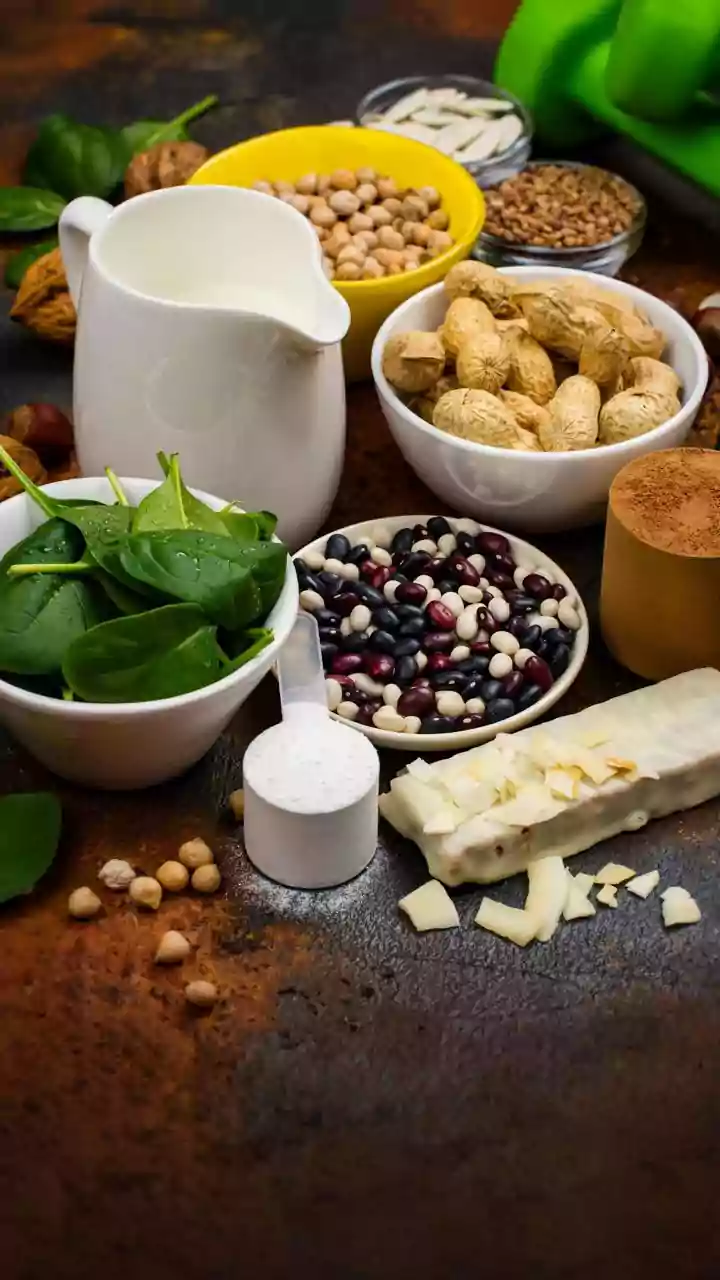
The conversation is also moving beyond just counting grams to considering the source of the protein. Protein quality refers to its amino acid profile and digestibility. Animal proteins like eggs, dairy, chicken, and fish are considered high-quality because they contain all nine essential amino acids our bodies can't produce. However, plant-based proteins are also getting recognized for their powerful health benefits. Studies suggest that diets higher in plant-based protein are associated with a reduced risk of chronic diseases. While many plant sources are 'incomplete' on their own, combining different sources—like dal with rice or roti—can provide a full amino acid profile. The key is variety and understanding that the source of your protein brings other nutrients with it, like fibre from beans or healthy fats from nuts.
A New Look at 'Too Much' Protein
Interestingly, a major new review of over 350 studies published in August 2026 has challenged the 'more is always better' philosophy. The findings suggest that for the general sedentary population, consuming protein closer to the recommended dietary allowance (RDA)—around 0.8 grams per kilogram of body weight—rather than extremely high amounts, may promote healthier aging and longevity. The review found that protein restriction was linked to improved metabolism and reduced cellular damage in some contexts. This doesn't mean high-protein diets are inherently bad—they remain crucial for active individuals and those with specific health goals. But it does suggest that for many people, the relentless pursuit of ever-higher protein intake might not be necessary and could even have downsides if it displaces other healthy foods.
Putting It All Together
So, what does this mean for your daily routine? It's about shifting from a narrow focus on one number to a holistic view of your plate. Instead of just a protein shake after a workout, consider a balanced meal containing protein, complex carbohydrates, and vegetables. Aim to include a moderate source of quality protein in each of your main meals. For breakfast, that could be Greek yogurt or a couple of eggs. For lunch, think about a lentil soup or a chicken salad. And for dinner, a portion of fish or paneer alongside whole grains and plenty of vegetables. This balanced approach ensures you're not just getting protein, but also the fibre, vitamins, minerals, and healthy fats that work together to support optimal health.