



A New Generation of Weather Prediction
For decades, weather forecasting has relied on massive, physics-based models running on supercomputers. These systems, known as Numerical Weather Prediction (NWP), simulate the laws of physics to predict the atmosphere's future state. They are powerful
but incredibly complex and time-consuming. Google's WeatherNext represents a fundamental shift. Instead of simulating physics from scratch, it's an AI model trained on decades of historical weather data to recognize patterns. By learning from this vast catalogue of past atmospheric conditions and storm behaviour, it can generate forecasts much faster and more efficiently, often on a single processor instead of a room-sized supercomputer.
The AI Advantage: Speed and Ensembles
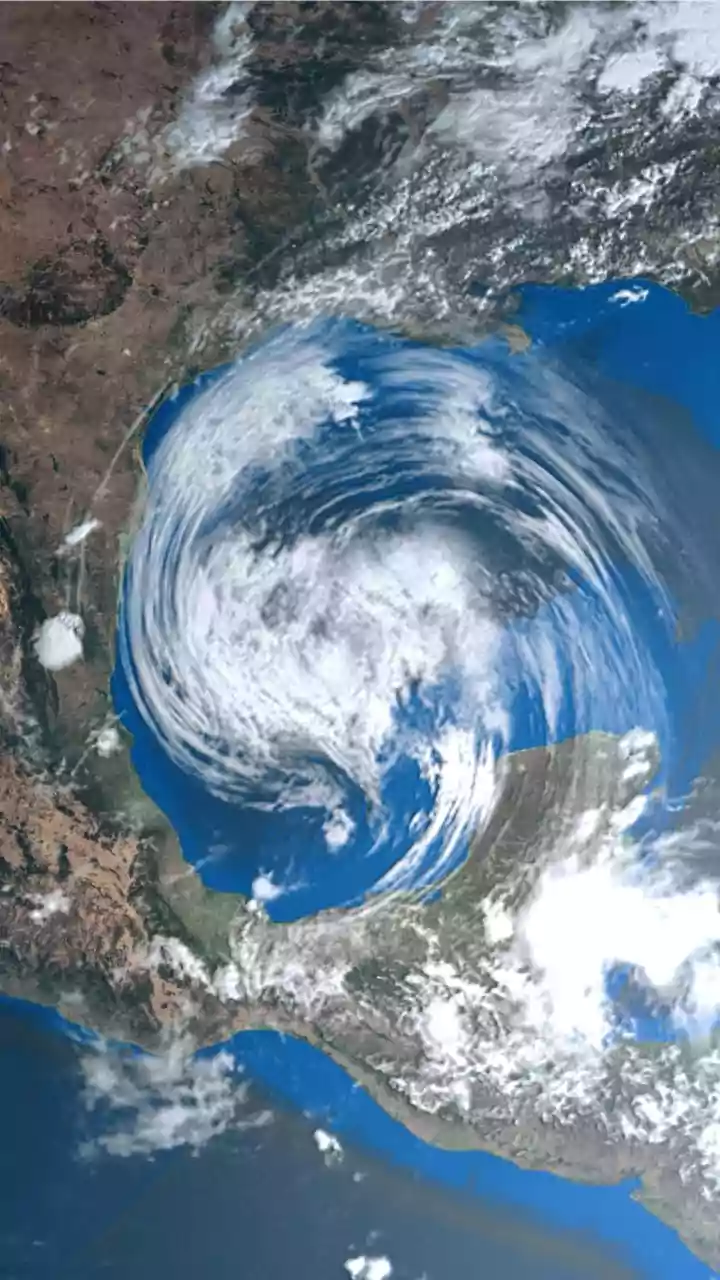
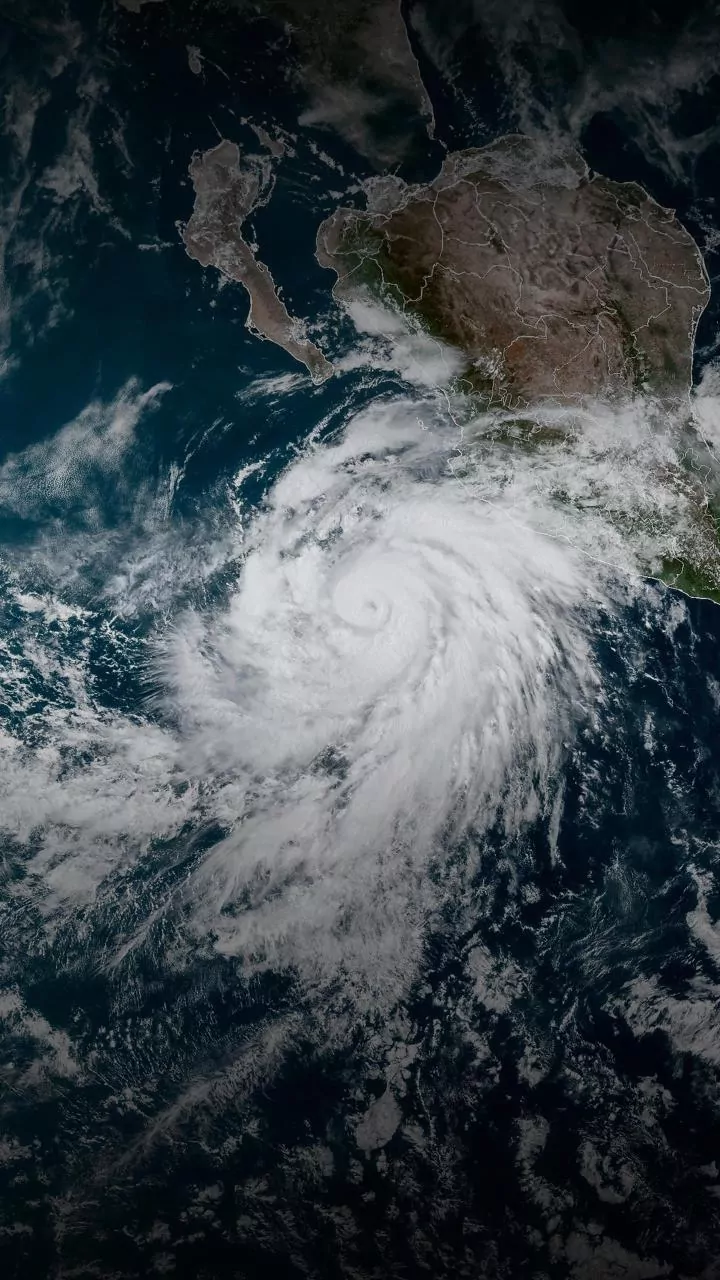
The key advantage of AI models like WeatherNext lies in their speed and ability to generate 'ensembles'. An ensemble is a collection of slightly different forecasts run from the same starting point to capture the inherent uncertainty in weather. While traditional models can only afford to run a limited number of scenarios, WeatherNext can generate hundreds or even a thousand possible outcomes in minutes. This is crucial for cyclones, as it allows forecasters to better spot low-probability but high-impact events, such as a storm suddenly intensifying just before making landfall. The research suggests this approach provides a three-day forecast that is as accurate as the two-day predictions from previous leading systems, effectively buying an extra day of warning time.
How It Could Help India
For a country like India, with a long coastline frequently battered by cyclones from the Bay of Bengal and the Arabian Sea, an extra 24 hours can be transformative. It means more time for evacuations, for securing infrastructure like ports and power grids, and for deploying disaster response teams more effectively. Traditionally, forecasting has faced a tradeoff: global models were good for a storm's longterm track, while specialized regional models were needed for intensity. WeatherNext aims to do both within a single AI system, predicting a cyclone's track, intensity, and wind structure with greater accuracy. This unified approach, combined with the speed of AI, could provide more reliable guidance to agencies like the India Meteorological Department (IMD), supplementing their already robust warning systems.
From Research to Real World Warnings
It's important to note that WeatherNext is still a forecasting system based on research, and Google itself advises that it should not be the sole source of information for protecting life and property. Like all AI, its predictions are only as good as the data it's trained on, and it can sometimes struggle with highly localized events or conditions not wellrepresented in its historical data. For instance, some versions of the model showed biases in predicting precipitation and surface temperatures. Furthermore, while the latest version, WeatherNext 3, boasts high resolution down to 5 kilometres, this level of detail applies mainly to variables measured at ground stations, with other data points like wind fields produced at a coarser 10km or 25km resolution. The technology is not about replacing traditional physicsbased models entirely but complementing them. AI and physics are beginning to work together as one powerful forecasting system.