




The Promise of a Personalised Plate
In theory, personalisation is the future of digital health. Calorie counters, nutrition trackers, and AI-powered meal planners promise to guide us toward our wellness goals with data-driven precision. They log our meals, track our activity, and serve
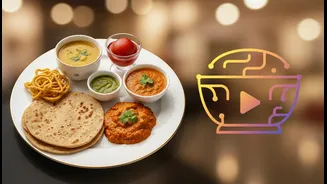
up suggestions designed for our unique bodies. For many, these tools can be a revelation, bringing a new level of awareness to daily habits. The global market is flooded with apps that can tell you the macronutrient profile of a quinoa salad or a kale smoothie. This approach works when the user’s diet aligns with the app’s database. But what happens when your breakfast isn’t avocado toast, but a hot plate of poha or a fluffy idli? This is where the algorithm often stumbles, revealing a significant gap between global technology and local reality.
One Nation, a Thousand Kitchens
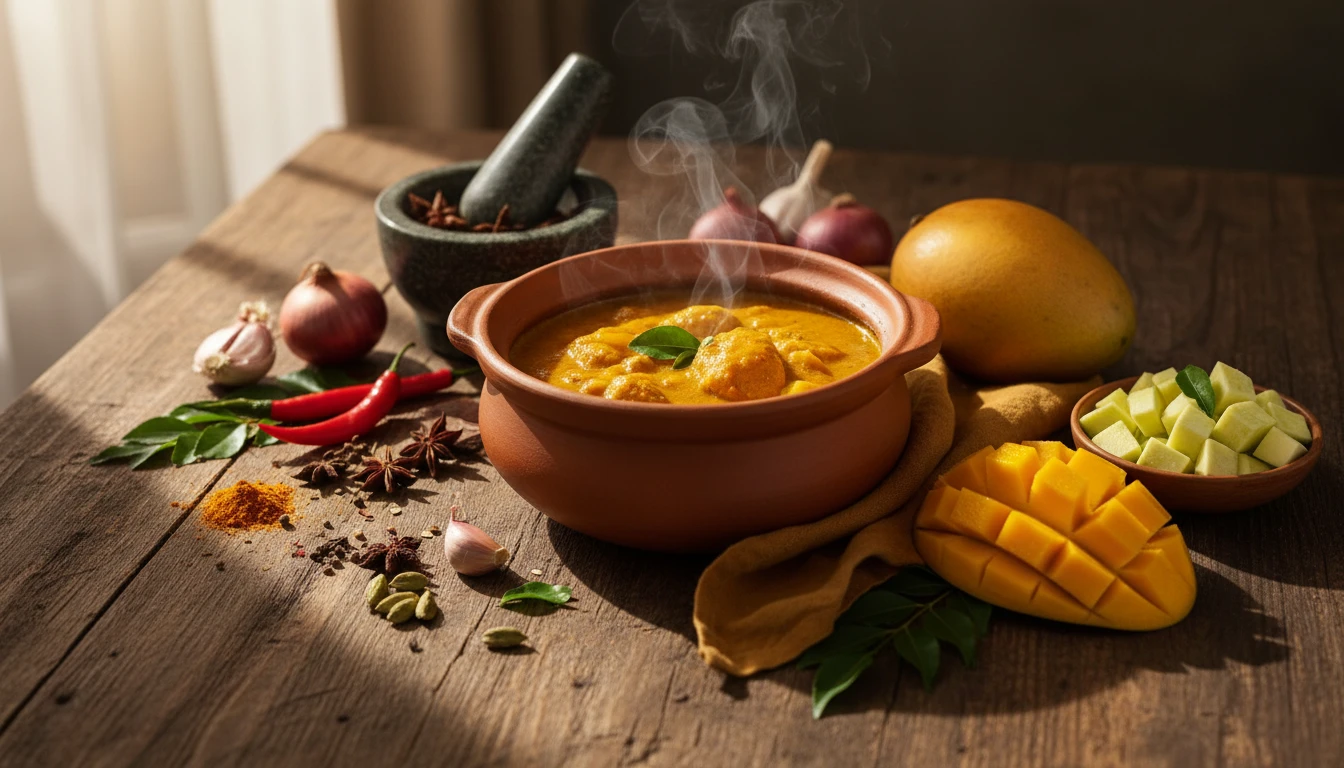
The idea of a single “Indian diet” is a myth. The country’s culinary landscape is a mosaic of thousands of distinct traditions, shaped by geography, climate, and culture. A winter diet in Punjab, rich with sarson ka saag and makki di roti, has little in common with a coastal Kerala meal of rice, fish curry, and coconut. Dietary staples change every few hundred kilometres—from wheat in the north to rice in the south and millets in other regions. Even cooking oils vary, from mustard oil in the east to groundnut and sesame oil in other parts. These are not just differences in taste; they represent deeply ingrained eating patterns that are both nutritious and sustainable. Research has identified several distinct dietary patterns across India, such as a “milk and wheat rich diet” or a “coconut and sea food rich diet,” each with different health associations. A generic app that doesn't differentiate between these nuances is not just unhelpful; it's culturally ignorant.
When Algorithms Get It Wrong
Many popular international health apps fail Indian users because their databases are incomplete and their understanding of portion sizes is flawed. A 2019 study by the National Institute of Nutrition (NIN) found that most calorie-counting apps did not align with Indian dietary recommendations. They often lack common recipes and show wide variations in calorie counts compared to Indian food standards. An app might have a dozen types of bread but fail to recognise a thepla or a dosa. Furthermore, asking someone to measure dal in grams when it is served in a 'katori' creates a barrier to entry, making the app impractical for daily use. This leads to high user dropout rates. When a platform feels generic and fails to reflect a user's lived experience, it loses its credibility. The advice can even be counterproductive, ignoring genetic predispositions and metabolic patterns specific to Indian bodies.
The Way Forward: Hyper-Local Intelligence
Thankfully, a change is underway. Newer dietary guidelines from the Indian Council of Medical Research (ICMR) and NIN explicitly recognise the importance of regional diversity and cultural practices. This shift is also being mirrored in the startup ecosystem. Companies are emerging that focus on hyper-local needs, whether it's delivering authentic regional snacks or building apps with robust databases of Indian cuisine. The most promising solutions integrate technology with tradition. They use AI and machine learning not just to count calories, but to understand and create meal plans based on regional preferences and the principles of seasonal eating. Recently, a panel of India’s leading endocrinologists highlighted that international nutrition guidance is not enough for Indian patients, stressing the need for plans tailored to our specific dietary patterns.
Beyond Just Ingredients
True personalisation goes beyond simply having the right food items in a database. It means understanding the context of food in Indian life. It involves recognising fasting traditions, the social importance of shared meals, and even ancient wisdom from systems like Ayurveda. A wellness app that ignores the cultural significance of food is only doing half its job. The platforms that succeed will be those that feel less like a rigid instruction manual and more like a knowledgeable friend—one who understands why ghee is used in certain dishes and why a seasonal vegetable is the best choice for a particular time of year. By respecting these deep-rooted patterns, technology can become a true partner in health, rather than an out-of-touch advisor.