







The Diwali feasts are over, leaving behind memories and perhaps a feeling of being overly full. The urge to 'detox' by skipping meals is strong, but cardiologists advise a kinder, more effective approach to get back on track.
Why Skipping Meals Backfires
The immediate reaction after
overindulging is often to punish the body by withholding food. However, this strategy is counterproductive. Skipping meals, especially breakfast, can disrupt your blood sugar levels, leading to energy crashes and intense cravings later in the day. This often results in overeating when you finally do eat, creating a cycle of bingeing and restricting that slows metabolism. Your body, sensing starvation, may even enter a 'survival mode', becoming more efficient at storing calories as fat. Furthermore, skipping meals means missing out on crucial opportunities to intake vitamins, minerals, and fibre, leaving you feeling tired and irritable.
Hydrate to Rejuvenate
One of the simplest yet most effective steps to recovery is proper hydration. Festive foods are often high in salt and sugar, which can lead to dehydration, bloating, and fatigue. Start your day with a glass of water and aim to sip consistently throughout the day. Drinking enough water helps your kidneys flush out waste, aids digestion, and can prevent the headaches associated with dehydration. If plain water feels boring, try herbal teas like ginger or mint, which can soothe digestion, or coconut water, which helps replenish electrolytes. A well-hydrated body is better equipped to manage cravings and restore balance.
Reintroduce Fibre and Lean Protein
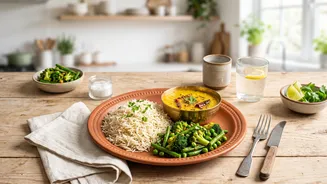
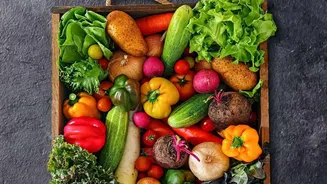
Instead of fasting, focus on gently reintroducing nutrient-dense foods. Give your digestive system a break from heavy, rich meals by opting for lighter, home-cooked fare like khichdi, dal, and vegetable soups. Cardiologists recommend filling at least half your plate with vegetables and salad. These foods are high in fibre, which supports gut health, relieves constipation, and helps you feel full. Pair these with lean proteins like dals, paneer, yoghurt, or fish. Protein is essential for stabilising blood sugar levels and promoting satiety, which helps prevent unhealthy snacking between meals.
Embrace Gentle Movement
The temptation after a big meal can be to lie on the sofa, but light physical activity can work wonders for digestion and overall wellbeing. A brisk walk after meals can help lower blood sugar, reduce bloating, and improve circulation. You don’t need to engage in punishing workouts; the goal is gentle, consistent movement. Even a family dance-off to your favourite songs or a relaxed evening stroll to enjoy the postfestive air can be beneficial. Light exercise also helps reduce stress, which can be elevated during the festive season and impact heart health.
Prioritise Sleep and Recovery
Late night Diwali parties and disturbed routines can lead to sleep deprivation. Lack of adequate sleep affects more than just your energy levels; it impacts hormones that regulate appetite and can increase cravings for unhealthy food. Prioritising 7–8 hours of quality sleep is a crucial part of your recovery plan. It allows your body to rest and repair, supports a healthy metabolism, and reduces stress levels. Establishing a regular sleep schedule even after the festivities helps reset your body's internal clock and supports overall cardiovascular health.
Practice Mindful Eating
The post Diwali period is an excellent time to practice mindful eating. Pay attention to your body's hunger and fullness cues instead of eating out of habit or guilt. Eat slowly savouring each bite which gives your brain time to register that you are full preventing overeating. Avoid distractions like watching TV or using your phone during meals. This practice not only aids digestion but also helps you build a healthier more intuitive relationship with food moving away from the all or nothing mindset that often follows festive indulgence. Be kind to yourself one indulgent period does not derail a healthy lifestyle.