



Mount Etna, Italy
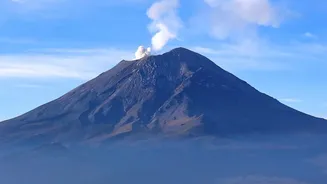
Dominating the skyline of Sicily, Mount Etna is one of the world's most active and accessible volcanoes. Its frequent but generally gentle eruptions make it a fascinating destination. Visitors can explore its diverse landscapes, which range from lunar-like
lava fields to lush forests and vineyards on its lower slopes. A popular way to experience Etna is by taking the cable car from Rifugio Sapienza on the south side, followed by a 4x4 jeep ride that takes you to higher altitudes. For the more adventurous, guided treks can lead you closer to the summit craters, though access to the very top is strictly regulated and requires a certified volcanological guide. Regulations change frequently based on volcanic activity, so always check the latest ordinances from local authorities and book with a licensed guide for any high-altitude excursions.
Pacaya, Guatemala
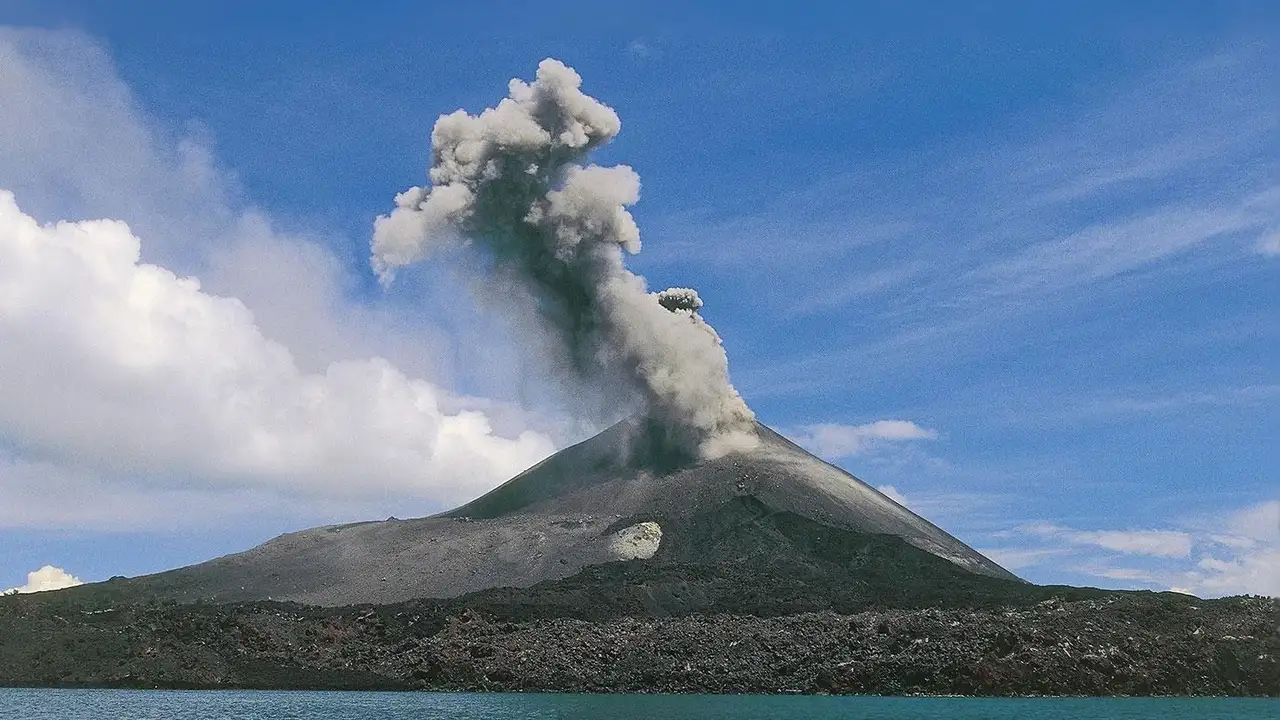
Known as one of Central America's most consistently active volcanoes, Pacaya offers a uniquely hands-on experience just a short trip from Antigua. The hike is relatively easy and family-friendly, taking visitors across fields of dried lava rock to viewpoints of the smoking MacKenney crater. While large lava flows are intermittent, a major highlight for many is finding geothermal hot spots where guides demonstrate the volcano's heat by roasting marshmallows. As of August 2026, guided day hikes are operating under a yellow alert, indicating mild activity. Though considered one of the safer volcanic adventures, conditions can change. Reputable tour operators stay updated with reports from INSIVUMEH, the government's volcanic monitoring agency, ensuring trips only proceed when it's safe.
Kīlauea, USA
Located within Hawaiʻi Volcanoes National Park on the Big Island, Kīlauea is a spectacular shield volcano that has been captivating observers for generations. When an eruption is underway within the Halemaʻumaʻu crater, the park provides designated viewing areas for visitors to safely witness the glowing lava lake. The best views are typically after dark, when the fiery glow illuminates the sky. Popular viewpoints like Kīlauea Overlook and Uēkahuna are accessible from the Crater Rim Trail. The National Park Service (NPS) provides daily updates on volcanic activity, air quality, and any closures. Visitors are reminded to stay on marked trails and never enter restricted zones, as volcanic gases and unstable ground pose significant risks.
Stromboli, Italy
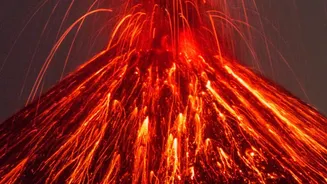
Dubbed the "Lighthouse of the Mediterranean," Stromboli has been putting on a fiery show for over 2,000 years. This Aeolian Island is famous for its regular, small explosive eruptions that occur every 15-20 minutes, jetting fountains of incandescent lava into the night sky. The most popular way to witness this spectacle is via a guided sunset trek. Regulations are strict; access above 400 metres requires a certified guide, and summit access is often prohibited depending on the current activity level. An alternative and equally impressive option is a nighttime boat tour, which allows you to watch the eruptions cascade down the Sciara del Fuoco (Stream of Fire) from a safe distance at sea.
A Note on Mount Bromo, Indonesia
Mount Bromo in East Java is another iconic destination, famous for its otherworldly "Sea of Sand" caldera and stunning sunrise views. Typically, visitors explore the area via jeep tours and can hike to the crater rim. However, it serves as a critical reminder of the headline's main point: access depends entirely on local conditions and authorities. As of early August 2026, all tourist access to Mount Bromo is closed indefinitely due to wildfires spreading across the national park. This closure highlights why checking official sources is non-negotiable before planning any trip. When it reopens, it remains a must-see, but its current status underscores the dynamic and unpredictable nature of these powerful environments.