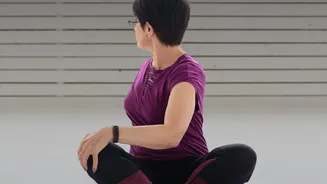









The Gut-Brain Connection and Movement
To understand why gentle yoga works so well for digestion, we first need to look at the nervous system. Your body has two main operating modes: 'fight-or-flight' and 'rest-and-digest'. The first, governed by the sympathetic nervous system, is for high-stress
situations. It diverts blood away from your internal organs, like the stomach and intestines, and sends it to your muscles for quick action. The second, run by the parasympathetic nervous system, is your chill-out mode. It allows the body to focus on essential background tasks, including efficiently digesting food. Chronic stress can keep you stuck in a low-grade 'fight-or-flight' state, slowing down digestion and leading to issues like bloating and constipation. Gentle movement and mindful breathing are excellent ways to activate your 'rest-and-digest' system, signalling to your body that it's safe to focus on processing your last meal.
Why Gentle Beats Intense for Digestion
While a vigorous, sweaty yoga class has many benefits, aiding immediate digestion isn't one of them. Intense exercise triggers that same 'fight-or-flight' response, pulling resources away from your digestive tract. This can be counterproductive if you're already feeling bloated or heavy. Gentle yoga, on the other hand, does the opposite. Slow, mindful movements combined with deep breathing stimulate the vagus nerve, a key player in activating your 'rest-and-digest' system. Furthermore, specific gentle poses act like an internal massage for your abdominal organs, including the stomach, intestines, liver, and pancreas. This physical manipulation helps increase blood flow, stimulate peristalsis (the wave-like contractions that move food along), and relieve trapped gas.
Three Essential Poses for Digestive Relief
You don’t need a complex sequence to feel the benefits. Incorporating a few key poses can make a significant difference. Try these after waiting at least an hour or two after a meal.1. Cat-Cow Pose (Marjaryasana-Bitilasana): This dynamic movement warms up the spine and gently massages your abdominal organs. Start on your hands and knees. As you inhale, drop your belly, lift your chest and tailbone, and look forward (Cow). As you exhale, round your spine, tuck your chin to your chest, and press the mat away (Cat). Flow between the two for 5-10 breaths.2. Supine Spinal Twist (Supta Matsyendrasana): Twists are fantastic for stimulating the intestines and can help relieve constipation. Lie on your back and hug your right knee into your chest. Extend your arms out to a 'T' shape. Let your right knee fall across your body to the left side. Keep both shoulders on the floor and turn your gaze to the right. Hold for 5-10 deep breaths and repeat on the other side.3. Wind-Relieving Pose (Apanasana): As the name suggests, this pose is excellent for releasing trapped gas. Lie on your back and hug both knees into your chest, wrapping your arms around your shins. You can gently rock side-to-side for a light massage on your lower back and internal organs. Hold for at least a minute.
Building a Consistent and Mindful Practice
The key to using yoga for digestive health is consistency over intensity. A short, 10-to-15-minute routine performed daily will be far more effective than one long, intense session per week. Pay close attention to your body’s signals. A feeling of gentle compression is normal and beneficial, but sharp pain is a sign to back off. The goal is to calm the system, not to force it. Combine these poses with diaphragmatic breathing—breathing deep into your belly rather than shallowly into your chest. This practice in itself helps massage the digestive organs and activate the 'rest-and-digest' response. Remember to create a calm environment, move slowly, and focus on the sensation of your breath. This mindfulness is just as important as the physical postures themselves for fostering a healthy gut-brain connection and soothing your digestive system.