




The Spiritual Significance of Sawan
At its heart, Sawan is a month of immense devotion to Lord Shiva. Devotees observe fasts and simplify their diets as a mark of respect, self-discipline, and spiritual purity. The goal is to quiet the mind and body for prayer, meditation, and chanting.
By giving up certain foods, practitioners aim to tame their worldly desires and focus their energy on spiritual growth. This act of restraint is considered a powerful form of worship, meant to bring one closer to the divine. The emphasis is on sincerity and creating a state of inner calm that is conducive to spiritual practices.
The Ayurvedic Logic: A Seasonal Reset
Ancient Indian wellness science, Ayurveda, provides a strong framework for Sawan's dietary rules. The monsoon season, or 'Varsha Ritu', is a time when the digestive fire, known as 'Agni', is considered naturally weak. High humidity and reduced sunlight can slow down metabolism, making the body more susceptible to digestive issues. The Sawan diet is designed to be light and easy on the stomach to counteract this. Furthermore, the monsoon is said to aggravate the 'Vata dosha' (the energy of movement), which can lead to bloating and discomfort. Avoiding heavy, oily, and hard-to-digest foods helps keep these bodily energies in balance, acting as a seasonal cleanse.
Why No Onion and Garlic?
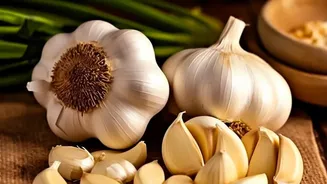
The exclusion of onion and garlic is one of the most common Sawan practices. According to Ayurveda, these foods are classified as 'Rajasic' and 'Tamasic'. Rajasic foods are believed to be overly stimulating, potentially causing restlessness, while Tamasic foods can lead to lethargy and mental dullness. During a month focused on achieving mental clarity and peace, these root vegetables are avoided to help maintain a calm, 'Sattvic' state of mind. A Sattvic diet, consisting of pure, natural, and light foods, is thought to be ideal for supporting spiritual focus and meditation.
The Practical Science Behind the Rules
Many Sawan customs align with modern scientific understanding of food safety and health. The monsoon is a peak breeding season for bacteria, fungi, and insects. Non-vegetarian foods like meat and fish spoil much faster in the warm, humid weather, increasing the risk of foodborne illnesses. Avoiding them was a practical way to prevent sickness before widespread refrigeration. Similarly, leafy green vegetables are more prone to harbouring worms and larvae during the rains, making them difficult to clean thoroughly. The monsoon is also the breeding season for many fish, so avoiding them helps maintain ecological balance. Even avoiding heavy, deep-fried foods makes sense, as a sluggish digestive system during this season can struggle to process them.
What's on the Sawan Menu?
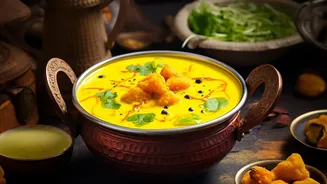
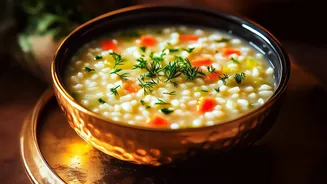
The focus of the Sawan diet shifts to foods that are considered 'Sattvic'—pure, fresh, and easy to digest. Common staples include fruits, milk, and milk products like paneer. Fasting flours such as kuttu (buckwheat), singhara (water chestnut), and rajgira (amaranth) are widely used to prepare meals. Vegetables like potato, bottle gourd (lauki), and pumpkin are preferred. Sabudana (tapioca pearls) is another fasting favourite, often made into khichdi or kheer. Cooking is done with rock salt (sendha namak) instead of regular table salt, and ghee is often used as the cooking medium for its purifying qualities.