




The Restructuring Plan
Porsche recently announced a significant corporate restructuring, revealing plans to reduce its workforce by a total of 9,000 jobs by the year 2035. This move, part of a "Future Package" agreement between management and labor representatives, is a response
to several mounting pressures. The job cuts will be managed through socially responsible means, such as natural attrition, voluntary severance packages, and expanded early retirement programs. Importantly, the company has ruled out compulsory redundancies until 2035, a key part of the deal struck with its powerful works council and the IG Metall trade union. This reduction represents about one-fifth of Porsche's workforce, which stood at roughly 42,600 at the end of 2024.
Economic Headwinds and Market Shifts
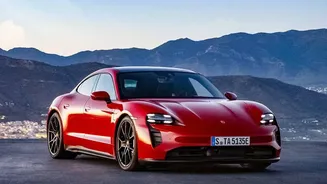
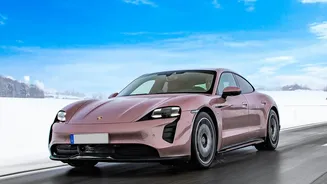
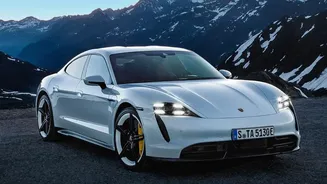
This drastic decision isn't happening in a vacuum. A primary driver is the sharp decline in sales in what was once Porsche's most profitable market: China. Increased competition from domestic Chinese EV manufacturers like BYD and Nio, coupled with a slowing economy, has severely impacted demand for German luxury cars. Furthermore, the global transition to electric vehicles has been slower and more challenging than anticipated for some legacy automakers. Weaker-than-expected sales for electric models like the Taycan have added to the pressure, forcing the company to reassess its strategy and aggressively cut costs. This restructuring at Porsche is part of a much broader cost-cutting program across its parent company, Volkswagen Group.
Investing in the Future
Despite the workforce reduction, Porsche is not retreating. On the contrary, the plan includes a massive investment of €2.1 billion into its key German sites at Stuttgart-Zuffenhausen and the Weissach research and development center. This investment is crucial for modernising its factories for the future of car manufacturing. The goal is to create 'smart factories' that are more flexible and productive. This involves integrating Industry 4.0 technologies like AI, robotics, and advanced data transmission networks. The investment secures the operations at these core sites until 2035, signaling a commitment to high-tech, German-based manufacturing, even as the nature of that manufacturing changes profoundly.
A Different Kind of Workforce
The story of Porsche's workforce is not just one of reduction, but of transformation. The shift to electric vehicles fundamentally alters the skills required on the factory floor and in the design labs. Building an electric car like the Taycan or the new electric Macan requires fewer traditional mechanical components but far more expertise in software, battery technology, and high-voltage systems. While the overall number of employees may shrink, Porsche is actively seeking to build new competencies. This means hiring and retraining staff for roles like electric drive development engineers and specialists in digital production ecosystems. The factory of the future will employ fewer people, but the roles they fill will be more specialised and technologically focused than ever before.
A Blueprint for the Industry
Porsche's 'Future Package' is a complex agreement reflecting the difficult compromises legacy automakers must make. To secure the future, the company is deferring some pay increases and reducing bonuses, while also offering transformation bonuses to ease the transition for employees. The deal, negotiated heavily with labor unions, provides long-term job security for the remaining workforce in exchange for greater flexibility and cost savings for the company. This balancing act—between investing in new technology, managing a transition away from combustion engines, and handling the human impact of these changes—is not unique to Porsche. It serves as a stark case study for the entire global automotive industry, including major players in India, as it navigates the electric revolution.