


What is Tai Chi, Really?
At its heart, Tai Chi is a traditional Chinese martial art that combines slow, deliberate movements, deep breathing, and mental focus. Unlike high-intensity workouts, the goal isn't to leave you breathless. Instead, it involves a series of flowing postures
that transition seamlessly from one to the next. This practice is built on the idea of balancing the body's energy, or 'qi,' but its benefits are far from mystical. It is a highly accessible form of exercise that requires no special equipment and can be adapted for nearly any fitness level, from athletes to older adults. Think of it as a physical conversation with your body, where you learn to move with intention, control, and grace.
The Science of Better Balance
The “fresh angle” on Tai Chi comes from a growing body of scientific research that confirms what practitioners have known for centuries: it is exceptionally effective at improving balance and preventing falls. Studies show that regular practice can reduce fall risk in older adults significantly, in some cases by over 40%. But how does it work? The magic lies in its ability to enhance proprioception—your body's awareness of its position in space. The slow, weight-shifting movements train the sensory nerves in your muscles and inner ear, which are crucial for stability. By constantly challenging your equilibrium in a controlled way, Tai Chi strengthens the small muscles in your legs and core, improves your reflexes, and helps your brain and body work together more efficiently to keep you upright.
A Gentle Approach to Fitness
One of the most appealing aspects of Tai Chi is its low-impact nature, making it a sustainable and safe option for people who find other forms of exercise too strenuous. For individuals with joint pain, arthritis, or those recovering from an injury, Tai Chi provides a way to build strength and flexibility without jarring the body. The slow, circular motions help lubricate joints and can increase range of motion. But 'low-impact' doesn't mean 'low-benefit.' Regular practice can be comparable to brisk walking and some forms of resistance training for improving both lower- and upper-body strength. It builds functional fitness that translates directly into daily life, whether that's carrying groceries, climbing stairs, or playing with grandchildren.
More Than Just Physical Stability
While the physical benefits are compelling, the practice is holistic. The same principles that foster physical balance also promote mental and emotional equilibrium. The deep breathing and focused concentration required during Tai Chi activate the body's relaxation response, helping to lower blood pressure and reduce stress and anxiety. This 'meditation in motion' offers a respite from the mental clutter of modern life, encouraging a state of calm alertness. By focusing on the present moment and the sensations within your body, you cultivate mindfulness. This connection between a stable body and a calm mind is at the core of Tai Chi's enduring appeal, offering a comprehensive tool for overall well-being.
How to Get Started
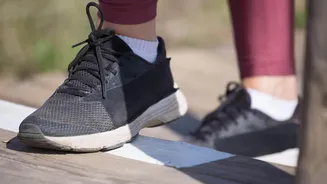
Starting with Tai Chi is simpler than you might think. Many community centres, parks, and fitness studios now offer beginner classes. Look for instructors certified in popular, gentle styles like Yang or programs specifically designed for health, such as Tai Chi for Arthritis and Fall Prevention. Wear loose, comfortable clothing and flat-soled shoes. Don't worry about perfecting the movements right away; the initial goal is to follow along and feel the flow. Many resources, from online videos to books, can also introduce you to basic movements like 'Cloud Hands' or 'Brush Knee Twist Step'. The most important step is the first one, embracing the journey of learning this powerful and gentle art.