




1. The Collagen Constructor
Collagen is the protein that gives skin its structure and bounce. As we age, our natural production declines. The theory is that drinking hydrolyzed collagen peptides—smaller, more easily absorbed bits of collagen—gives your body the building blocks and the signal
to produce more. Several studies suggest these supplements can improve skin hydration and elasticity, but it's important to note that many are small or industry-funded. While not a miracle cure, consistent use for several months might offer modest improvements in skin texture and firmness.
2. The Hydration Hero: Hyaluronic Acid
Hyaluronic Acid (HA) is a molecule famous for holding up to 1,000 times its weight in water. It's a key component in keeping skin plump and hydrated. While it's a star ingredient in topical serums, drinking it is a newer concept. The logic is that oral HA can increase the skin's moisture levels from the inside out. A meta-analysis of several trials found that oral HA supplements did lead to statistically significant improvements in skin hydration and elasticity. It appears to be one of the more promising ingestible ingredients for tackling dryness.
3. The Antioxidant Shield
Antioxidants protect your skin from damage caused by free radicals—unstable molecules from pollution and UV rays that accelerate ageing. Drinks rich in antioxidants like vitamins C and E, polyphenols from green tea, or lycopene from tomatoes can offer a defensive boost. Vitamin C is especially critical, as it's a necessary component for your body to synthesize new collagen. While you can get these from supplements, sipping on green tea, matcha, or even a glass of real pomegranate or tomato juice is a great way to get these protective compounds.
4. The Gut-Skin Balancer: Probiotics
The connection between gut health and skin health, known as the 'gut-skin axis,' is a major area of scientific interest. An imbalanced gut microbiome can lead to inflammation that shows up on your skin as acne, redness, or eczema. Probiotic drinks like kefir, kombucha, or yoghurt-based lassi introduce beneficial bacteria to your gut. These good bacteria can help reduce systemic inflammation, strengthen the skin barrier, and improve conditions like dryness. It's a holistic approach that sees clear skin as a reflection of internal balance.
5. The Green Infusion: Chlorophyll
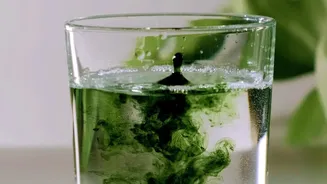
Chlorophyll water has become a social media sensation, with claims it can clear acne and detoxify skin. Chlorophyll is the green pigment in plants and a known antioxidant. However, the science on drinking it for skin benefits is thin. Most supplements contain chlorophyllin, a more stable, water-soluble derivative. While some very small studies have shown topical chlorophyll can help with acne, there's little robust evidence to prove drinking it has the same effect. The benefits many users see might simply come from drinking more water.
6. The Building Block: Biotin
Biotin (Vitamin B7) is famously marketed for hair, skin, and nail health because it helps the body produce keratin, a key structural protein. For this reason, it's a common ingredient in beauty drinks and supplements. However, true biotin deficiency is very rare in people who eat a balanced diet. Supplementing is only likely to provide a noticeable benefit if you are one of the few who are actually deficient. For most people, adding extra biotin won't magically transform hair or nails, and claims of its effectiveness for skin conditions like acne are unproven.
7. The Calming Concoction: Adaptogens
Adaptogens are herbs and mushrooms like ashwagandha and hibiscus that are thought to help the body manage stress. Since stress and the hormone cortisol are known triggers for skin issues like acne and dullness, the idea is that adaptogenic drinks can indirectly benefit skin by promoting calm. Hibiscus tea, for example, is also high in antioxidants like vitamin C. While the direct link between a specific adaptogen and improved skin is hard to prove with large-scale studies, managing stress is undoubtedly good for your overall health, and by extension, your skin.