





A Landmark Return After 144 Years
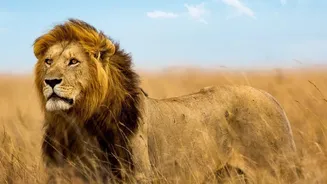
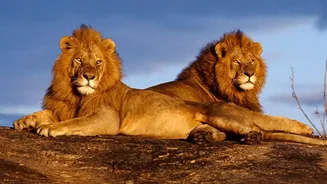
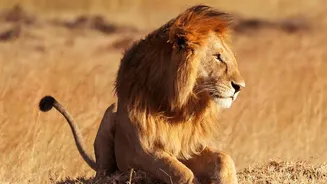
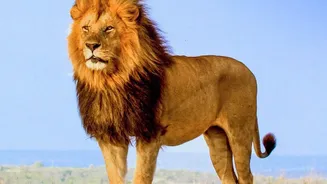
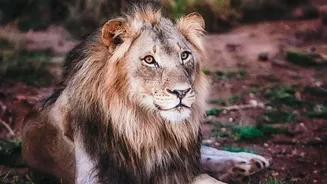
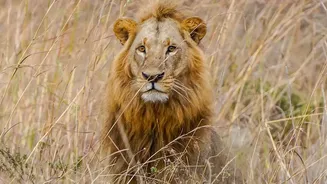
The roar of the Asiatic lion is echoing through Barda's forests for the first time since 1879. This landmark moment began not with a grand translocation project, but with the natural dispersal of a single male lion into the sanctuary in 2023. This pioneering
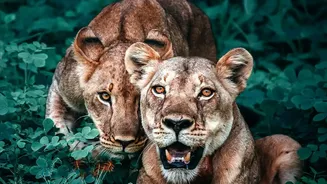
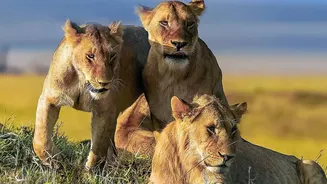
act confirmed the potential of the Barda landscape as a viable habitat. Following this natural migration, the Gujarat Forest Department augmented the budding population by introducing five females to support the lone male. This science-backed intervention has paid off spectacularly. As of late 2025, the sanctuary is now home to a thriving population of 17 lions, which includes six adults and a heartening eleven cubs, officially establishing Barda as a satellite lion population.
What is Barda Wildlife Sanctuary?
Located in the Saurashtra region across the Porbandar and Devbhumi Dwarka districts, Barda Wildlife Sanctuary is a rugged, hilly landscape spanning approximately 192 square kilometres. Historically, it was a royal hunting ground for the princely states of Porbandar and Jamnagar before being declared a sanctuary in 1979. Its diverse terrain of forests, grasslands, and seasonal rivers supports a rich variety of flora and fauna, including leopards, sambar, and nilgai. For years, it was identified as a potential second home for lions under Project Lion, the national conservation initiative. The government has made significant efforts to prepare the sanctuary, including restoring grasslands, enhancing the prey base, and managing the habitat to increase its carrying capacity for large carnivores.
Why a Second Home is So Crucial
The success of lion conservation has led to a population boom, with numbers in Gujarat rising from 674 in 2020 to an estimated 891 in 2025. While a triumph, this has also meant the entire global wild population of Asiatic lions was concentrated in and around the Gir landscape. This put the species at high risk from potential catastrophes like disease outbreaks or natural disasters. The 2018 Canine Distemper Virus (CDV) outbreak, which caused significant mortality, was a stark reminder of this vulnerability. Wildlife experts and even the Supreme Court have long advocated for establishing a geographically separate, second population to mitigate these risks and ensure the long-term genetic health and survival of the species.
A Model of Natural Recolonisation
Unlike proposals to translocate lions to other states, which have faced resistance, the establishment of the Barda population is a unique success story of natural recolonisation supported by scientific management. The initial migration of the male lion demonstrated that the corridor between Gir and Barda is functional. A recent study published in the journal PLOS One, which involved radio-collaring six of the lions, has confirmed that Barda offers suitable habitat and resources to sustain a long-term population. The study found the lions are establishing home ranges, forming social structures, and primarily feeding on wild prey like wild pigs, though they also hunt domestic cattle. To support this, authorities are actively introducing more prey like spotted deer and sambar into the sanctuary.
The Future of Lions Beyond Gir
The establishment of lions in Barda is a major milestone for Project Lion. To support this new population, the Gujarat government has already begun reorganising the Porbandar Forest Division to strengthen administrative support, protection, and monitoring. This includes creating new beats and ranges for clearer responsibilities and enhanced patrolling. Furthermore, a voluntary relocation scheme has been announced, offering compensation to the semi-nomadic Maldhari families living within the sanctuary to move outside its boundaries, helping to minimise human-animal conflict. These efforts, combined with plans for a safari park to boost eco-tourism, are designed to ensure that Barda becomes a secure and enduring stronghold for the Asiatic lion.