




The Numbers That Tell the Story
Retail sales of electric cars reached approximately 37,000 units in October 2026, a huge leap from the roughly 21,000 units sold in October 2025. This growth is even more striking when you consider that the overall passenger vehicle market actually saw
a year-on-year decline in registrations for the same period. As a result, the market share of EVs more than doubled, climbing to 7.3% of all cars sold, up from just 3.5% a year ago. This surge shows that EVs are not just a niche product anymore; they are rapidly becoming a mainstream choice, with domestic manufacturers like Tata Motors and Mahindra leading the charge.
A Festive Push and New Models
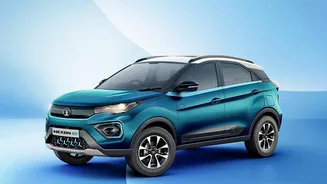
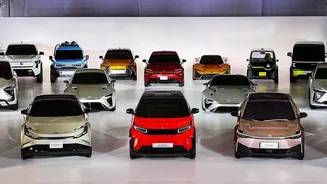
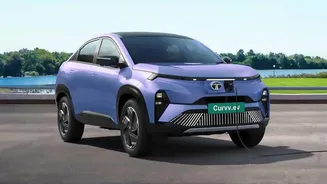
A significant part of this momentum comes from the festive season. While the shifting dates of Diwali and Navratri can make direct year-on-year comparisons tricky, the underlying trend is clear: more buyers are choosing to bring home an electric car for the holidays. This demand is being met by a wider array of attractive new models. Automakers have successfully launched electric SUVs that hit a sweet spot for Indian families, offering space, style, and modern features. For instance, the success of models like the Tata Punch.ev, which became the first standalone EV to cross 5,000 monthly sales, shows that competitively priced electric SUVs are resonating with buyers. The intense competition between major players like Tata, Mahindra, and MG has resulted in more choices for consumers across different price points.
Charging Infrastructure: Anxiety to Action
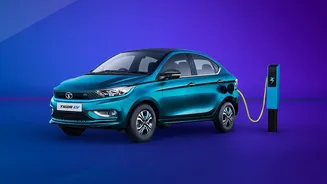
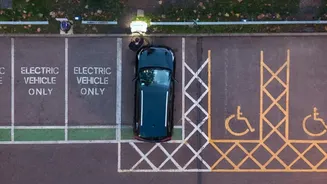
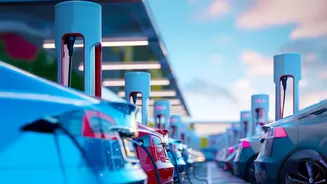
For years, 'range anxiety'—the fear of running out of power with no charger in sight—was a major barrier to EV adoption. However, 2026 has seen significant progress in addressing this concern. India's public charging network has expanded dramatically, growing roughly fivefold since 2022 to over 27,000 installed stations by early 2026. While density is still a challenge, the increased visibility of chargers in malls, office parks, and along major highways has boosted consumer confidence. Government schemes like PM E-DRIVE are injecting funds to add tens of thousands more public chargers, with a focus on crucial DC fast chargers needed for highway travel. This steady buildout is making EV ownership a more practical reality for both city commuting and intercity trips.
The Shifting Economics of Ownership
The decision to buy a car often comes down to economics, and the scales are increasingly tipping in favour of EVs. Persistently high petrol and diesel prices have made the lower running costs of electric vehicles a compelling argument for many households. While the initial purchase price of an EV can be higher, government incentives at both the central and state levels help reduce this barrier. More importantly, consumers are looking at the total cost of ownership over several years, factoring in savings on fuel and maintenance, which makes an EV an attractive longterm investment. This financial calculation, combined with a growing desire for modern technology and environmental consciousness, is fundamentally changing purchase decisions.
More Than a Trend, A Mainstream Movement
The October sales surge wasn't an anomaly. It was the result of a perfect storm of factors: appealing new products, improving infrastructure, favourable economics, and a clear shift in consumer mindset. What was once seen as a compromise is now viewed as an upgrade. In a month where the conventional car market faced headwinds, the EV segment demonstrated remarkable resilience and growth, proving it is a powerful, independent force in the Indian auto industry. This strong performance indicates that the electric transition is not just underway—it's accelerating.