

That unmistakable crunch, followed by a soft, steamy interior—the vada is more than just a snack; it’s a cherished culinary icon across India. It’s the hero of a hearty breakfast and the perfect companion for a relaxing cup of evening tea.
A Tale of Two Meals
In the grand
theatre of Indian cuisine, few dishes play a starring role with as much versatility as the humble vada. This savoury, deep-fried fritter holds a unique dual identity. In the morning, it’s a breakfast powerhouse, often taking centre stage on the plate. By evening, it transforms into the ultimate comfort snack, the perfect crispy bite to accompany a hot beverage. This ability to fit into different parts of the day is what makes the vada a universally loved food. It’s a category of snack with ancient roots, with mentions of a similar food called 'vataka' appearing in texts dating back to the 12th century. Whether you call it vadai, wade, or bara, this simple lentil or potato-based snack is a testament to the richness and regional diversity of Indian food culture.
The Breakfast Champion: Medu Vada
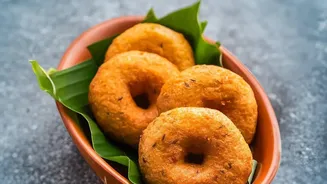
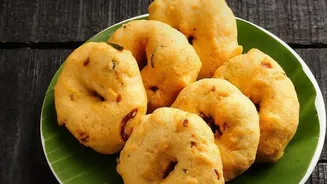
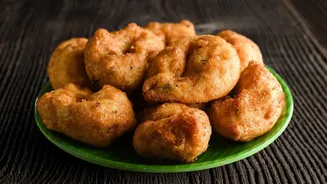
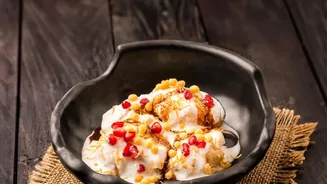
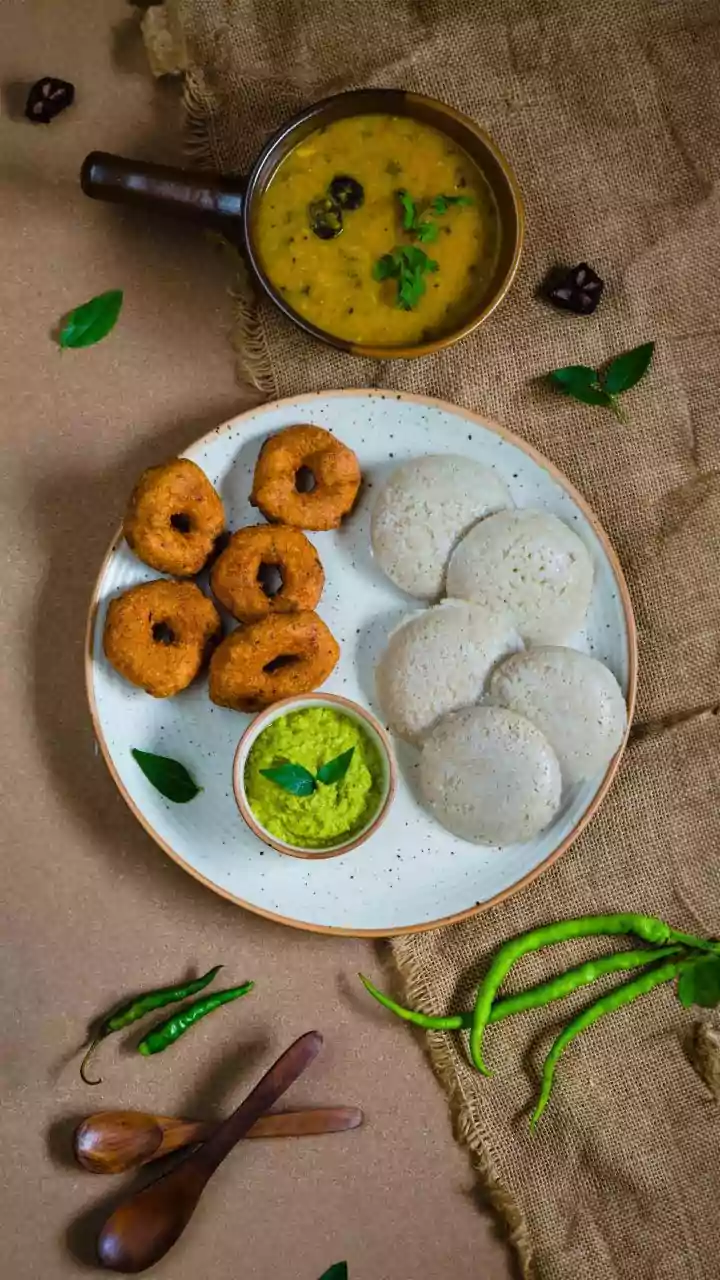
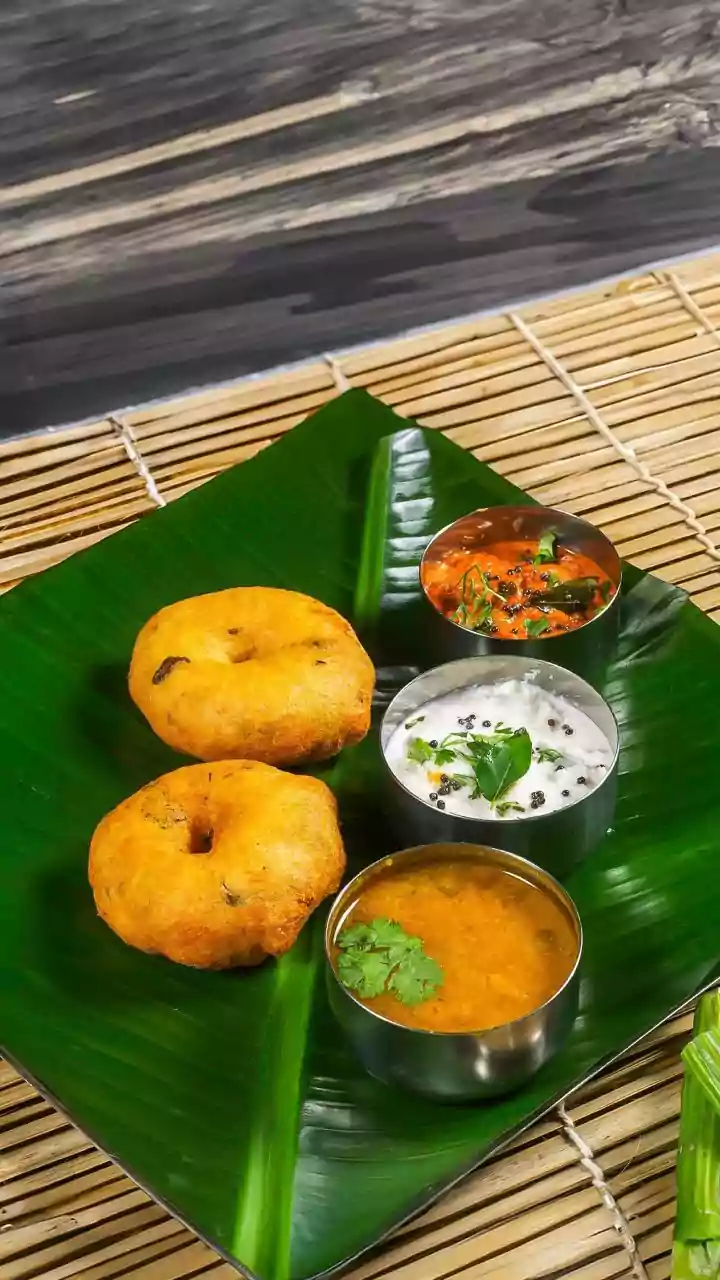
When you think of a South Indian breakfast, the image that often comes to mind is that of a fluffy idli sitting next to a golden, doughnut-shaped medu vada. Medu, meaning 'soft' in Kannada, perfectly describes its pillowy interior, which contrasts beautifully with its crispy exterior. Made from a carefully ground batter of urad dal (black gram lentils), the medu vada is a masterclass in texture. Achieving that perfect fluffiness without the batter becoming runny is a culinary skill honed in kitchens over generations. Served piping hot alongside a bowl of tangy sambar and a dollop of fresh coconut chutney, it becomes a complete, satisfying meal that fuels the start of the day. Soaking the vadas in sambar allows them to absorb the flavourful broth, creating the iconic 'sambar vada' that is a favourite in restaurants and homes alike.
The Evening Ritual: A World of Vadas
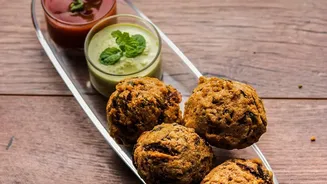
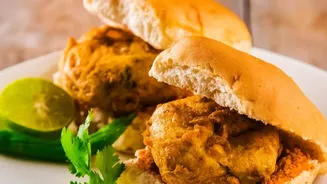
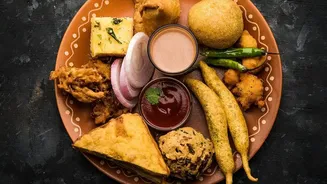
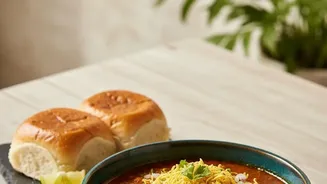
As the day winds down, the vada sheds its breakfast identity and becomes the star of tea-time. This is where its diversity truly shines. The 'masala vada', also known as 'paruppu vadai' or 'chana dal vada', is a popular evening choice. Unlike the smooth medu vada, the masala vada is made from coarsely ground chana dal, often studded with onions, fennel seeds, and fresh herbs, giving it a rugged, crunchy texture and a spicier kick. But the variety doesn't stop there. In Maharashtra, the 'batata vada'—a spiced potato ball coated in gram flour batter—is king, famously served in a pav to create the iconic vada pav. Other regional favourites include the 'sabudana vada' made from sago pearls, the fiery 'mirchi vada' from Rajasthan, and the unique, flat 'maddur vada' from Karnataka. Each variant offers a different experience, a new combination of spices and textures perfect for evening indulgence.
The Perfect Pairings
A vada is rarely eaten alone; its flavour is almost always enhanced by an accompaniment. The choice of dip or side dish can transform the experience entirely. For medu vada at breakfast, coconut chutney is the classic partner, its cool, fresh flavour balancing the savoury fritter. A bowl of hot, vegetable-laden sambar is also non-negotiable for many, providing both flavour and moisture. For the spicier masala vada enjoyed at tea-time, a simple cup of masala chai or filter coffee is often all that's needed to complete the ritual. However, a tangy tomato or mint chutney can also provide a refreshing contrast to the earthy flavour of the lentils. In the case of batata vada, the trifecta of dry garlic chutney, tamarind chutney, and green chilli chutney inside a soft pav creates a burst of sweet, spicy, and tangy notes in every bite.