

The Fibre and Calorie Count
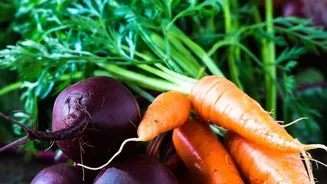
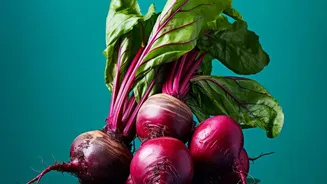
The headline gets it right: if fibre is your main goal, beetroot is the clear winner. Per 100 grams, raw beetroot contains about 2.8 grams of dietary fibre. In contrast, radish offers a more modest 1.6 grams for the same serving size. This makes beetroot a better
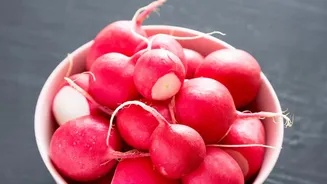
choice for promoting digestive regularity and feeling fuller for longer. On the flip side, radish is the champion of low-calorie eating. A 100-gram serving of radish has only about 16 calories, while the same amount of beetroot contains roughly 43 calories. This difference is largely due to beetroot's higher carbohydrate and sugar content. So, for those managing their calorie intake, the lighter radish is an excellent option.
A Nutritional Deep Dive
Beyond fibre and calories, these two vegetables have unique nutritional profiles. Beetroot is a powerhouse of folate (a B-vitamin essential for cell health), iron, and potassium. The potassium helps regulate blood pressure, while iron is crucial for oxygen transport in the blood. Radishes, however, are an excellent source of Vitamin C, an antioxidant that boosts the immune system and is vital for skin health. A single serving of radishes can provide a significant portion of your daily Vitamin C needs. They also contain more calcium than beetroots, which is important for bone health. So, the 'healthier' choice really depends on which nutrients you're looking to add to your diet.
The Showdown of Health Benefits
Both vegetables bring unique health benefits to the table. Beetroot is famous for its high concentration of nitrates, which the body converts into nitric oxide. This compound helps relax and widen blood vessels, which can lead to lower blood pressure and improved athletic performance. Beetroots are also rich in antioxidants called betalains, which give them their deep red colour and possess anti-inflammatory properties. Radishes, part of the cruciferous vegetable family, contain different antioxidants, including compounds that may help regulate blood sugar levels. Some studies suggest radish extracts could have protective effects against certain types of cancer, though more research is needed.
Taste, Texture, and Kitchen Versatility
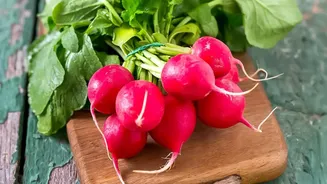
This is where the two vegetables part ways dramatically. Beetroot is known for its distinctly earthy and sweet flavour. When cooked, its texture becomes soft and tender. It’s incredibly versatile and can be roasted, boiled, pickled, or even juiced. You can toss roasted beets into salads, blend them into soups, or even use them in baked goods for moisture and colour. Radishes, on the other hand, are prized for their peppery bite and crisp, crunchy texture when raw. They are a classic addition to salads and tacos, providing a refreshing crunch. While most commonly eaten raw, radishes can also be roasted, which mellows their peppery flavour and softens them into an almost sweet, turnip-like vegetable. You can also quick-pickle them for a tangy condiment.
Don't Forget the Greens
A discussion about these root vegetables wouldn't be complete without mentioning their tops. Both beetroot and radish greens are edible and highly nutritious. Often discarded, these leaves can be used much like spinach or other leafy greens. They can be sautéed with garlic, blended into pesto, or added to soups and dals. Using the greens is a fantastic way to reduce food waste and get an extra dose of vitamins and minerals from your purchase. Radish greens have a mild peppery flavour, while beet greens are similar in taste to Swiss chard.