






The Anatomy of a Monsoon Delay
The primary culprit behind widespread disruption is water. Heavy rainfall overwhelms decades-old urban drainage systems in cities like Mumbai and Delhi, leading to severe waterlogging. When streets flood, traffic slows to a crawl, creating gridlock that
affects buses, cars, and two-wheelers. For railways, the problem is twofold: submerged tracks force services to stop, and the sheer volume of water can damage signalling equipment, leading to cascading delays across the network. In hilly regions, the danger shifts to landslides, which can block crucial rail lines and highways for hours or even days, as seen in the Mumbai-Pune ghat section. Reduced visibility during downpours also forces pilots, drivers, and train operators to reduce speed as a basic safety measure, adding to travel time.
Navigating the Rails: A Test of Patience
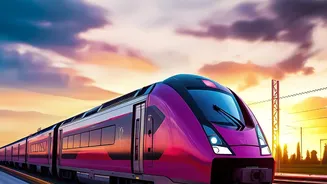
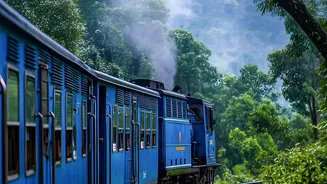
For the millions who rely on Indian Railways, the monsoon introduces a new, unofficial timetable governed by weather. Local suburban services, the lifeline of cities like Mumbai, often run behind schedule by 20-25 minutes or more due to waterlogged tracks. In some cases, services on entire sections are suspended. Beyond daily commutes, long-distance travel is also impacted. Indian Railways implements a formal 'Monsoon Timetable' for certain routes, particularly the Konkan Railway line, which runs through the landslide-prone Western Ghats. From mid-June to October, premium trains like the Vande Bharat and Rajdhani operate at reduced speeds, adding hours to their journeys. Some services may even depart hours earlier than their standard time, catching unprepared passengers off-guard.
On the Roads: A Sea of Uncertainty
Road travel becomes a significant challenge during heavy rains. Waterlogged underpasses and main roads can bring city traffic to a standstill for hours. A journey that normally takes 45 minutes can easily stretch to two hours or more. The danger isn't just delays; flooded streets conceal open manholes and deep potholes, posing a serious risk to vehicles and pedestrians alike. Braking distance on wet roads can increase by 30-40%, making it crucial to reduce speed and maintain a safe following distance. For two-wheeler riders, a good quality raincoat is more effective than an umbrella, and ensuring tyres have adequate tread is a non-negotiable safety check before the season begins.
In the Air: When Skies Turn Grey
Air travel is not immune to the monsoon's fury. Heavy rain, thunderstorms, and poor visibility frequently lead to flight delays and cancellations, with airports in Mumbai, Delhi, and Bangalore being particularly affected. During peak monsoon months, disruptions can increase by up to 40%. Airlines often issue travel advisories, and temporary runway suspensions are common during intense spells to ensure passenger safety. While weather-related disruptions are considered beyond an airline's control, passengers in India are still protected by DGCA regulations. In cases of significant delays or cancellations, airlines are typically required to provide refreshments, meals, alternative flights, or a full refund.
Your Monsoon Survival Strategy
Instead of fighting the monsoon, the best approach is to adapt. Before leaving, always check the latest weather forecasts and traffic updates from reliable sources like the IMD or local traffic police portals. Use live tracking apps to monitor train and bus schedules. If heavy rain is predicted, leave earlier than usual and have a backup plan. It's wise to assemble a small monsoon kit for your daily bag: a sturdy umbrella or lightweight raincoat, a waterproof bag or cover for electronics, and a power bank for unexpected delays. Wearing footwear with good grip is essential to avoid slipping on wet surfaces. Finally, if you absolutely must travel through a waterlogged area, never underestimate the depth of the water and proceed with extreme caution.