




1. Gram Flour (Besan)
A staple in Indian beauty rituals, gram flour, or besan, is a versatile cleanser and exfoliator. Rich in zinc, it may help combat acne, while its absorbent properties are excellent for controlling excess oil. Besan gently removes dead skin cells, helping
to de-tan and brighten the complexion, leaving it soft and smooth. It's the foundation of many traditional 'ubtan' recipes for a reason. To make a classic besan pack, mix two tablespoons of besan with enough milk or yogurt to form a smooth paste. For oily skin, yogurt is a great choice. Apply evenly to your face, let it dry for 15-20 minutes, and rinse off with lukewarm water for refreshed skin.
2. Turmeric (Haldi)
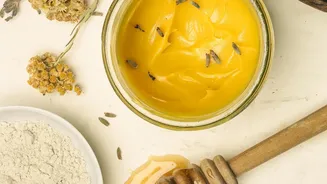
Known as the 'golden spice', turmeric has powerful anti-inflammatory, antioxidant, and antimicrobial properties thanks to its active compound, curcumin. These properties make it a go-to for calming irritated skin, fighting acne-causing bacteria, and potentially reducing the appearance of scars and pigmentation over time. It's celebrated for imparting a natural radiance to the skin. For a simple brightening mask, mix one teaspoon of turmeric powder with one tablespoon of honey to form a paste. Apply and leave it on for about 10-15 minutes before rinsing. Be mindful that turmeric can temporarily stain the skin, especially fairer tones, so use it in moderation.
3. Yogurt (Dahi)
More than just a healthy snack, plain yogurt is a fantastic addition to face packs. It is a natural source of lactic acid, a gentle alpha-hydroxy acid (AHA) that exfoliates the skin by dissolving dead skin cells. This process helps to smoothen fine lines, improve skin texture, and reveal a brighter complexion. Yogurt's creamy texture also provides moisture, making it soothing and hydrating for dry or irritated skin. For a hydrating mask, apply a thin layer of plain, unflavoured yogurt to your face. Let it sit for 15-20 minutes before rinsing. It can also be mixed with other ingredients like besan or honey to enhance their effects.
4. Honey (Shahad)
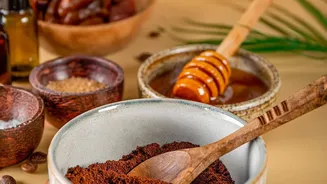
Honey is a natural humectant, meaning it draws moisture into the skin, making it an excellent moisturiser for dry or dehydrated skin. Raw, unpasteurised honey is particularly valued for its antimicrobial and anti-inflammatory properties, which can help in managing acne and soothing irritated skin. Its gentle exfoliating properties can also help to slough away dead skin cells, promoting a brighter, more even skin tone. For a soothing and hydrating treatment, apply a thin layer of raw honey to a clean face. Leave it on for 10-20 minutes before rinsing with warm water. People with pollen or bee allergies should exercise caution and perform a patch test first.
5. Sandalwood (Chandan)
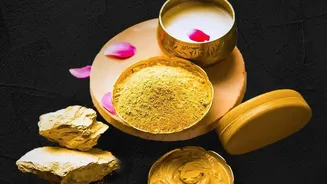
Sandalwood powder, or chandan, has been a prized ingredient in Ayurvedic skincare for centuries. It is revered for its cooling and soothing properties, which help calm inflammation and redness, making it ideal for acne-prone and sensitive skin. It also has mild astringent properties that can help tighten pores and refine skin texture. Many use it to help reduce tan and brighten the skin. Create a calming face pack by mixing one tablespoon of sandalwood powder with enough rose water to form a smooth paste. Apply to the face, let it dry for 15 minutes, and then rinse off.
6. Tomato (Tamatar)
This juicy fruit is rich in vitamins, particularly Vitamin C, and antioxidants like lycopene. These components can help brighten the skin, reduce pigmentation, and may offer some protection against environmental damage. The natural acids in tomatoes have mild exfoliating properties, which can help clear pores and even out skin tone. For a simple brightening pack, apply fresh tomato pulp directly to your skin. Let it sit for 15-20 minutes before washing it off. You can also mix tomato pulp with rice flour for gentle exfoliation or with a pinch of turmeric for its anti-acne benefits.
7. Lemon (Nimbu) - A Word of Caution
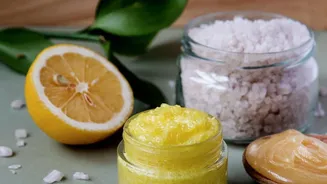
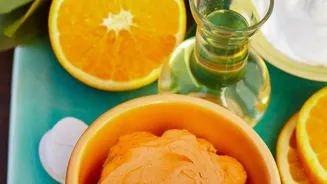
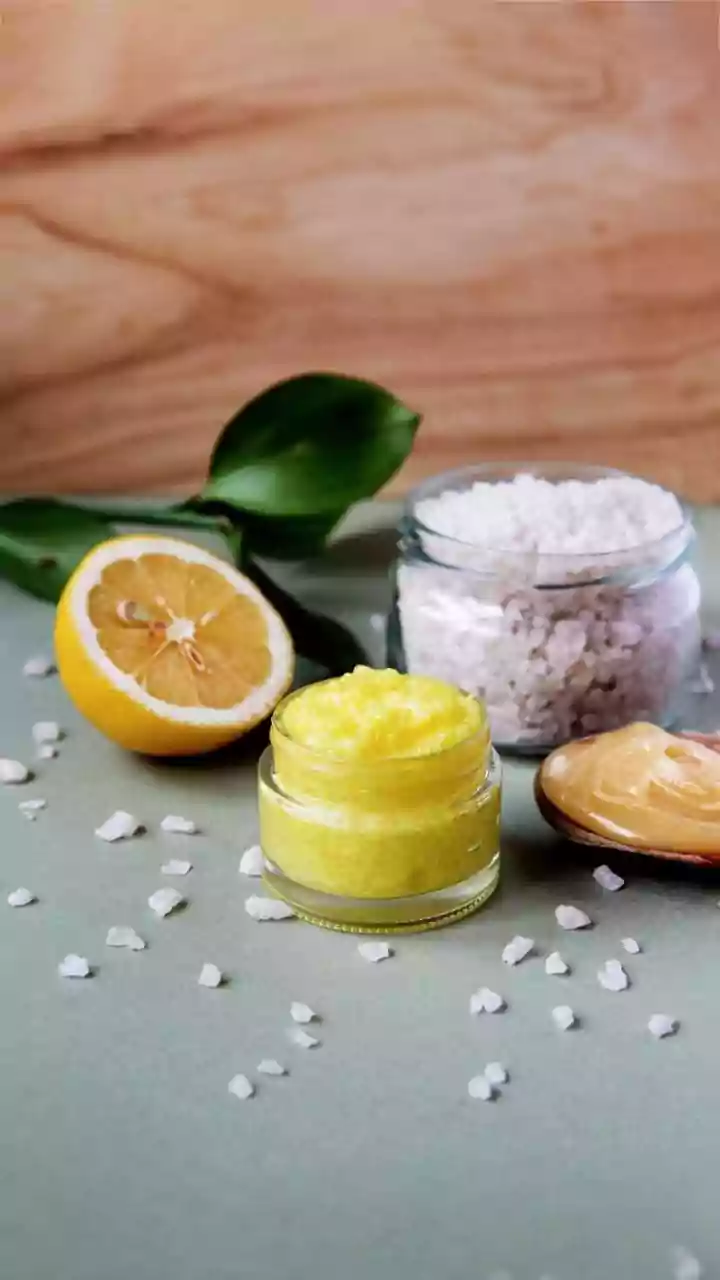
Lemon is often cited in DIY recipes for its high Vitamin C content and ability to lighten dark spots. However, it must be used with extreme caution, if at all. Lemon juice is highly acidic (pH of 2-3), which can disrupt the skin's natural pH balance (around 4.5-5.5), leading to irritation, dryness, and a damaged skin barrier. Most importantly, compounds in lemon juice can cause a serious skin reaction when exposed to sunlight, known as phytophotodermatitis, which can result in burns and long-lasting pigmentation. Due to these significant risks, many dermatologists advise against applying raw lemon juice to the face.