



Meet Sumac: The Ruby-Red Spice
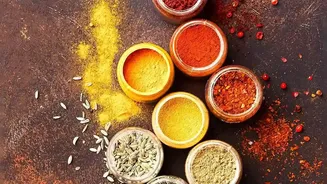
The spice in question is sumac, a staple in Middle Eastern and Mediterranean cooking for centuries. Made from the dried and ground berries of the Rhus coriaria shrub, its name comes from the Arabic word for 'dark red'. Sumac has a bright, tangy, and slightly
fruity flavour, often compared to lemon but with less sharpness and more earthy complexity. This makes it incredibly versatile. Unlike lemon juice, it adds a sour note without any extra liquid, which is perfect for dry rubs and keeping textures crisp. In many parts of the Middle East, it’s as common on the dinner table as salt and pepper, used to finish everything from dips to grilled meats.
A Culinary Star for the Indian Kitchen
Sumac’s flavour profile makes it a fantastic addition to Indian cooking, where tangy notes are beloved. Think of it as a cousin to amchur (dry mango powder), offering a similar tartness but with its own unique fruity character. Its uses are wonderfully broad. You can sprinkle it over salads, especially those with cucumber and tomato, for a refreshing zest. It’s a classic garnish for dips like hummus and baba ghanoush, adding both colour and flavour. Try tossing it with roasted vegetables like cauliflower, potatoes, or carrots right before serving for a pop of brightness. Stir it into basmati rice, season your kebabs with it, or blend it into yogurt to create a simple, tangy dip for snacks like crispy okra. It’s also a key ingredient in the famous Middle Eastern spice blend, za'atar.
The Myth of the Miracle Cure
As with many 'superfoods', the internet is filled with grand claims about sumac's medicinal powers. Some sources suggest it can be a potent tool against major diseases, leading people to view it as a cure-all. You might read articles hailing it as a powerful agent against everything from digestive issues to cancer. While traditional medicine has used sumac for various ailments for centuries, these modern claims often blow preliminary findings out of proportion. The danger lies in treating a flavouring agent like a pharmaceutical. No single spice can cure a complex disease, and relying on it as such can be a harmful distraction from proven medical treatments.
The Reality: A Powerful Antioxidant with Potential
So, what does the science actually say? The good news is that sumac does have genuine health properties. It is packed with antioxidants, including tannins, anthocyanins, and flavonoids, which help protect our cells from damage. Some small-scale studies have shown promising results. For example, research involving people with type 2 diabetes suggests that daily consumption of sumac may help improve blood sugar control and antioxidant levels. Other preliminary research points to benefits like reduced muscle pain after exercise and better cholesterol management. However, it's crucial to note that most of this research is in its early stages, and scientists agree that more extensive studies are needed to confirm these effects.
Flavour First, Health as a Bonus
The most sensible way to approach sumac is to treat it as a delicious flavour ingredient first and foremost. Think of its health properties as an added bonus, not the primary reason for using it. Incorporating a variety of spices like sumac into a balanced diet rich in fruits, vegetables, and whole grains is a well-established path to good health. The antioxidants in sumac contribute to this overall picture. Enjoy its unique tang on your salads, vegetables, and grilled dishes. Appreciate the complexity it adds to your meals. By focusing on its culinary magic, you get all the flavour and a gentle wellness boost without falling for the hype. This is how the spice truly becomes most useful in your life.