






What Are the New Sanctions?
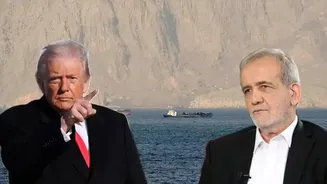
The latest measures, dubbed "Operation Economic Outcast" by the U.S. Treasury, represent a significant expansion of economic pressure on Iran. Announced on August 24, 2026, the sanctions add five critical sectors of the Iranian economy to the target list:
cryptocurrency, weapons-related technology, gold, aviation, and shipping. Alongside these sectoral sanctions, the U.S. designated over 60 specific entities, individuals, and vessels allegedly involved in helping Iran evade existing restrictions, sell oil, or procure sensitive technology. The stated goal is to close loopholes and sever Iran's remaining connections to the global economy.
Defining Secondary Enforcement
To understand the force of this new campaign, one must first understand secondary sanctions. While primary sanctions prohibit a country's own citizens and companies from doing business with a sanctioned target—for example, an American firm cannot legally trade with Iran—secondary sanctions go a step further. They target third parties, meaning non-U.S. and non-Iranian entities. In effect, the United States is telling companies and banks in Europe, Asia, and elsewhere that if they do business with sanctioned parts of Iran's economy, they will face penalties themselves. This extraterritorial reach is what makes the policy so powerful and contentious.
The Power of the Dollar
The primary enforcement tool for secondary sanctions is the dominance of the U.S. financial system. The U.S. dollar is the world's leading reserve currency, and most major international transactions are cleared through American banks. Access to this system is essential for any global business. By threatening to cut off a foreign bank or company from the U.S. financial system, the Treasury Department can create a powerful incentive to comply with its policies. U.S. officials have warned that any entity found facilitating transactions for Iran could be removed from the dollar system, a penalty that can be financially devastating for a major international institution.
The Goal: 'Economic Asphyxiation'
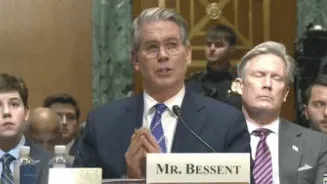
U.S. officials have been unusually direct about their intentions, using phrases like "economic D-Day" and "economic onslaught" to describe the new strategy. Treasury Secretary Scott Bessent stated the objective is the "economic asphyxiation of this regime," designed to force Iran into what he termed "complete global isolation." The strategy is to present Iran's trading partners with a stark choice: stop doing business with Tehran or risk losing access to the far larger U.S. market and its financial architecture. While officials have noted a brief "cure period" will be given for companies to unwind their operations, the message is clear that the U.S. expects swift compliance.
Global Risks and Ripple Effects
This heavy reliance on secondary enforcement is not without risks and consequences. For global corporations and financial institutions, it creates immense compliance challenges and costs. Companies must now meticulously vet all their transactions to avoid any connection to a newly sanctioned Iranian sector, a process that can lead to "de-risking," where businesses pull out of entire regions to avoid potential trouble. Furthermore, this approach can create friction with allies who may disagree with the policy but feel their companies are being forced to comply. The immediate impact has already been felt in currency markets, with Iran's rial falling to a record low following the announcement. The ultimate success of the sanctions now depends entirely on how the world's businesses and governments react to this pressure campaign.