



Meet Hojicha: Matcha's Earthy Sibling
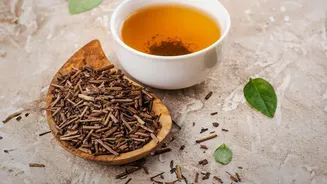
While matcha has become a familiar sight in urban cafes, hojicha (pronounced ho-jee-cha) is the latest Japanese tea capturing the attention of wellness seekers and gourmands. Unlike most green teas, which are steamed and dried, hojicha undergoes an additional
step: roasting. Typically made from the mature leaves, stems, and stalks of the tea plant, these parts are roasted at a high temperature, transforming them from green to a warm, reddish-brown. This process, first developed in Kyoto in the 1920s, creates a tea with a distinctly different character. The roasting breaks down caffeine and alters the flavour, resulting in a brew that is nutty, toasty, and gently sweet, with notes of caramel or smoke and almost no bitterness.
Hojicha vs. Matcha: The Key Differences
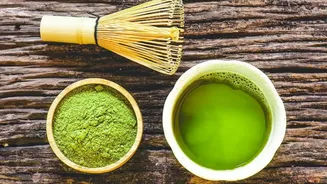
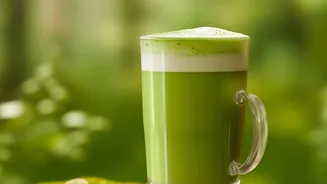
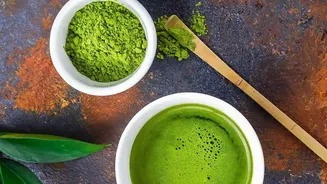
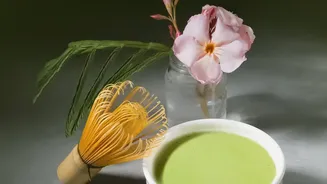
Though they come from the same plant, hojicha and matcha are worlds apart. Matcha is made from young, shade-grown leaves, giving it a vibrant green colour and a high chlorophyll content. Its flavour is rich, vegetal, and umami-forward. Hojicha, on the other hand, is roasted, resulting in its brown hue and a mellow, earthy taste. The most significant difference for many is the caffeine content. Matcha is known for providing a calm but alert energy boost, containing a considerable amount of caffeine. Hojicha is naturally low in caffeine because the roasting process breaks it down and because it often uses parts of the plant that contain less caffeine to begin with. This makes hojicha a soothing choice that can be enjoyed at any time of day, even in the evening.
Why is Delhi Driving the Trend?
Recent search trends suggest a significant spike in curiosity around hojicha, with Delhi emerging as a hotspot. This isn't surprising, as the capital's dynamic cafe culture is often at the forefront of new culinary movements. Having already embraced matcha, urban consumers in cities like Delhi are now looking for the next new experience. Hojicha fits perfectly into this evolving landscape. Its roasted, nutty flavour profile is approachable and comforting, resonating with Indian palates accustomed to toasted spices and malty drinks. Furthermore, its low-caffeine nature appeals to a growing segment of health-conscious individuals seeking alternatives to coffee that won't cause jitters or disrupt sleep. The visual appeal of a creamy, beige-brown hojicha latte also makes it a favourite on social media.
The Wellness and Comfort Factor
Beyond being a trendy beverage, hojicha offers several wellness benefits. Like other green teas, it is rich in antioxidants, which help combat free radicals in the body. The roasting process creates compounds called pyrazines, which are responsible for its soothing, roasted aroma. Hojicha also contains L-theanine, an amino acid known for promoting relaxation and mental clarity without causing drowsiness. This combination of low caffeine and high L-theanine makes it an excellent drink for stress relief. It is also considered gentle on the stomach, making it a comforting choice after a meal. Its unique properties support everything from skin health to immune function, positioning it as a holistic wellness beverage.
Finding Your Hojicha Fix in India
Once a niche product, hojicha is becoming increasingly accessible across India. Specialty cafes in major cities like Delhi, Mumbai, and Bengaluru are leading the charge, featuring hojicha lattes, bubble teas, and even desserts on their menus. In Delhi, cafes like Asagao and Got Tea offer everything from classic, silky lattes to modern bubble tea interpretations. For those who prefer to brew at home, several online stores now import and sell high-quality Japanese hojicha, available in both loose-leaf and powdered forms. The powder is particularly versatile, perfect for making lattes or experimenting with in baked goods.