
A Global Celebration of the Cosmos
World Space Week is an annual UN-declared observance celebrating the contributions of space science and technology to the human condition. Its dates commemorate two pivotal moments in space history: the launch of Sputnik 1, the first artificial satellite,
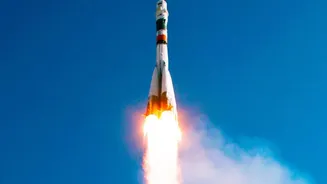
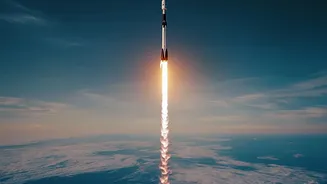
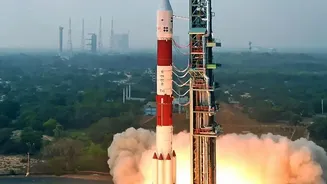
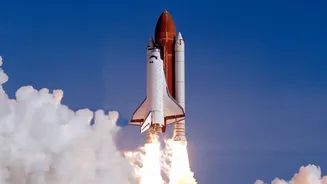
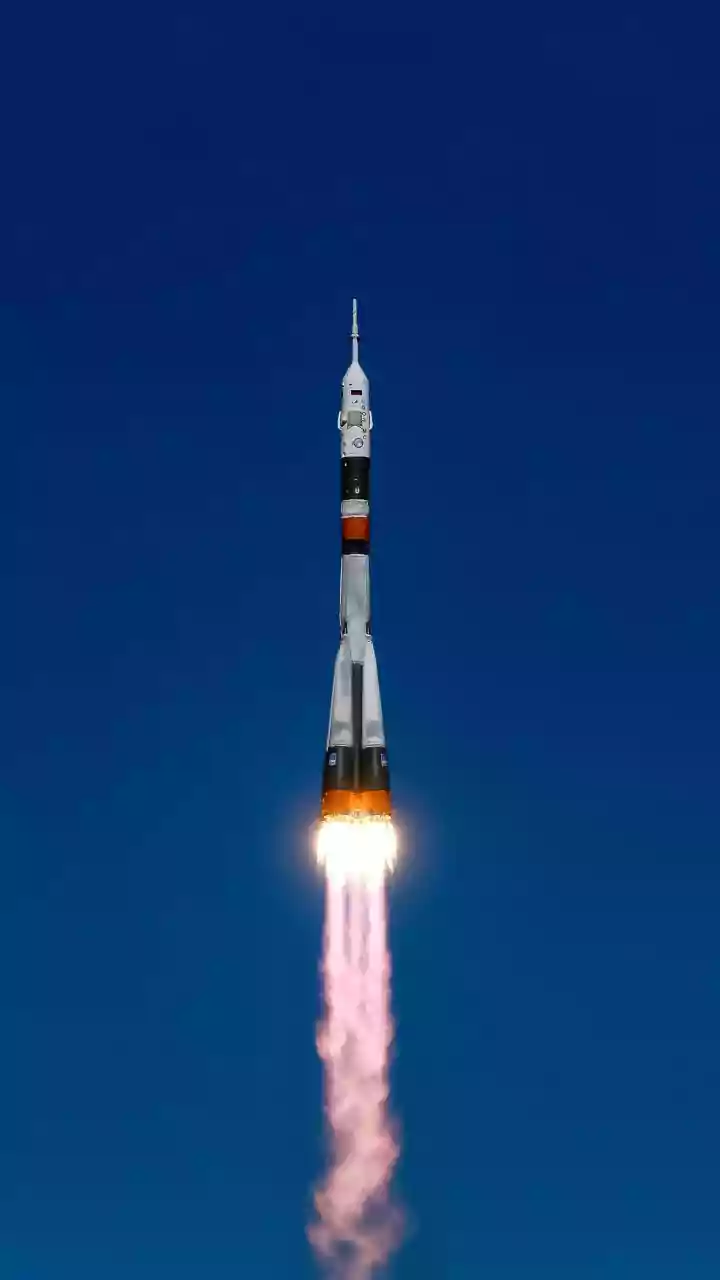
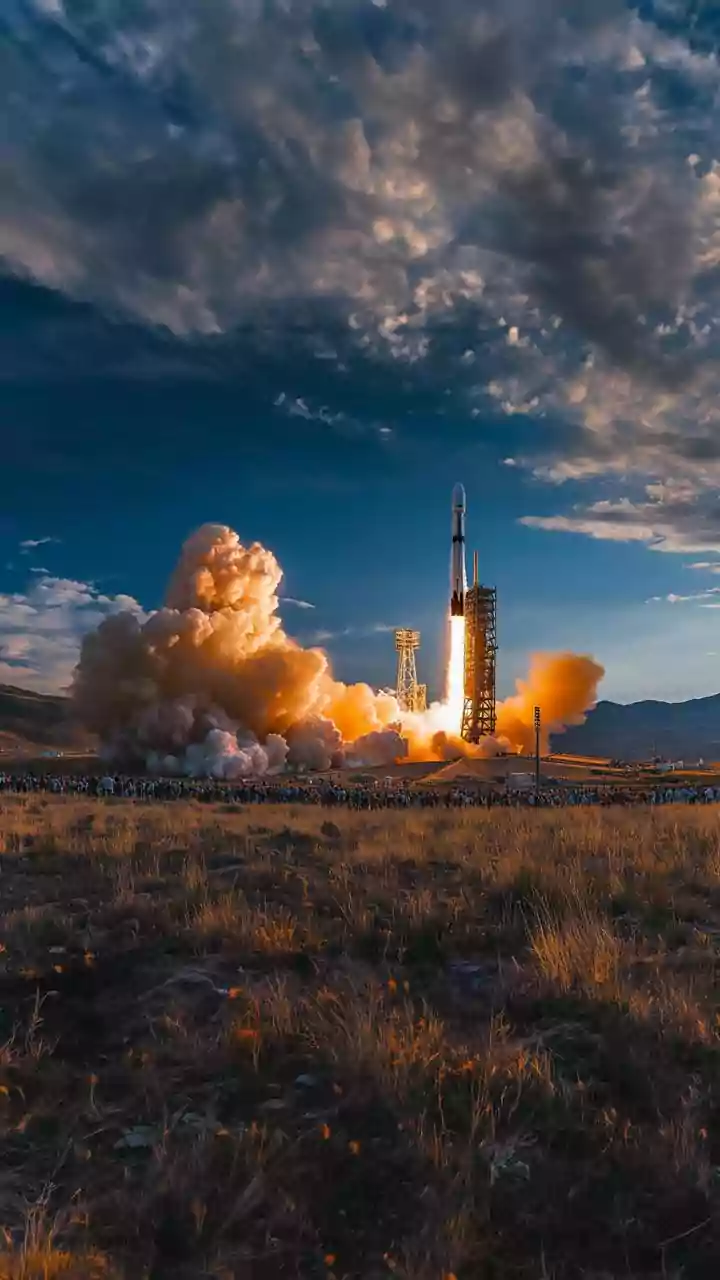
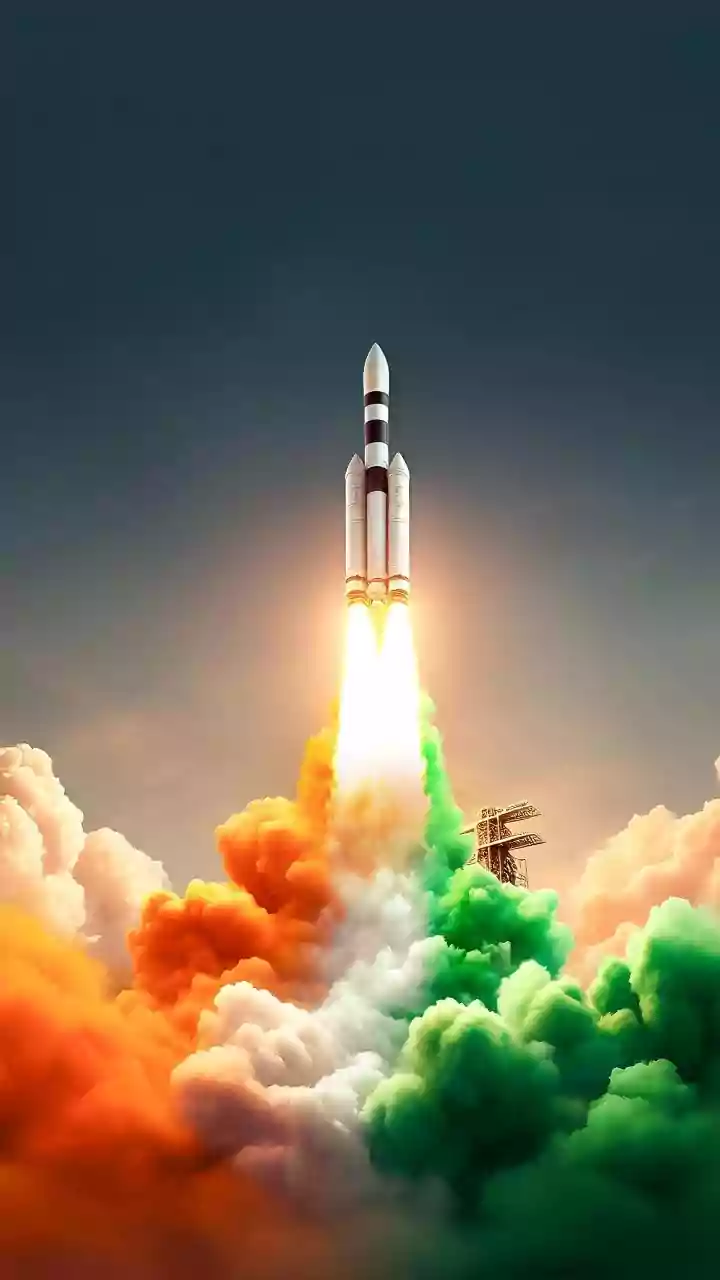
on October 4, 1957, and the entry into force of the Outer Space Treaty on October 10, 1967. The 2026 theme, 'Rocket Revolution', specifically highlights the massive shifts in launch technology. For decades, space access was the domain of a few governments with single-use rockets. Now, with reusable boosters, a booming commercial industry, and more countries entering the fray, getting to orbit is undergoing a fundamental transformation. The goal is to recognise how falling launch prices and increased access are stimulating new applications and inspiring a new generation.
India's 'Rocket Revolution' Takes Flight
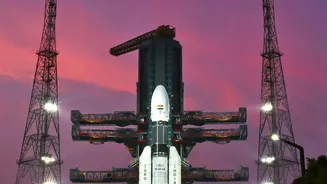
In India, the week is being marked by a convergence of public outreach and educational initiatives, spearheaded by the Indian Space Research Organisation (ISRO) and its partner institutions. In Kerala, the Vikram Sarabhai Space Centre (VSSC) and associated centres are organising a slate of activities for students, including lectures from ISRO scientists available both online and in-person. A public outreach programme is scheduled for October 10 at the Kerala State Science and Technology Museum in Thiruvananthapuram. Other institutions are joining in, with engineering colleges like Sethu Institute of Technology and SRMIST hosting multi-day events with workshops on rocketry, conceptual design competitions, and expert lectures for both school and college students.
From Classroom Curiosity to Career
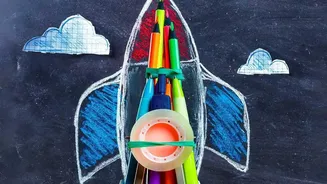
The core of World Space Week is education, and this year’s focus on rockets provides a powerful hook for students. The aim is to move beyond textbook learning to hands-on, experiential engagement. Activities across the country reflect this, with competitions in poster design, painting, essay writing, and even glider modelling. These events are more than just a celebration; they are a crucial part of building a pipeline of talent for India's growing space ambitions. Experts note that inspiring students at an early age is essential for nurturing the critical thinking and problem-solving skills needed for careers in science and technology. With India's National Education Policy 2020 promoting experiential learning, events like World Space Week provide a perfect platform to bring complex topics like orbital mechanics and propulsion to life.
Connecting Ambition with Opportunity
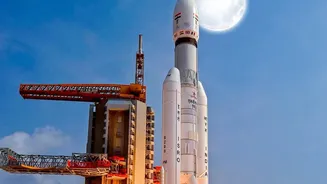
This week's celebrations are taking place against the backdrop of India's expanding footprint in space. From the success of Chandrayaan to the ambitious Gaganyaan human spaceflight mission and the planned Bharatiya Antariksh Station, the nation's goals are clear. However, achieving these goals requires a workforce equipped with multidisciplinary skills. The 'Rocket Revolution' theme is particularly relevant as India’s private space sector begins to flourish, with startups contributing to the ecosystem alongside ISRO. These private players are increasingly vital partners in space education, offering internships, supporting university labs, and organising hackathons and rocketry challenges that provide students with invaluable real-world experience. The ultimate goal is to ensure that opportunities in the space sector are accessible to students across the country, not just those in a few premier institutions or metro cities.