


Unlock Your Masala Dabba's Full Potential
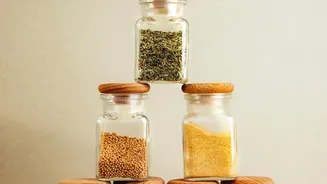
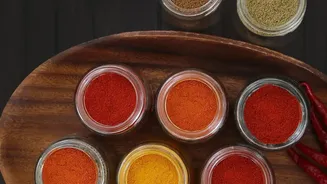
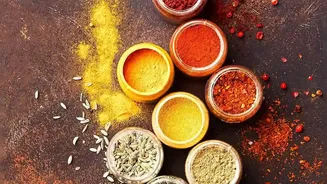
Every Indian kitchen has a treasure chest of flavours: the masala dabba. But it’s easy to fall into the habit of using the same core spices—turmeric, cumin, coriander, and red chilli powder—in the exact same way for every dish. Think beyond the usual.
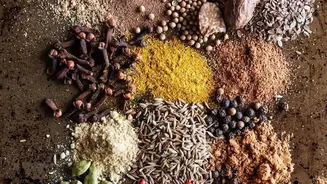
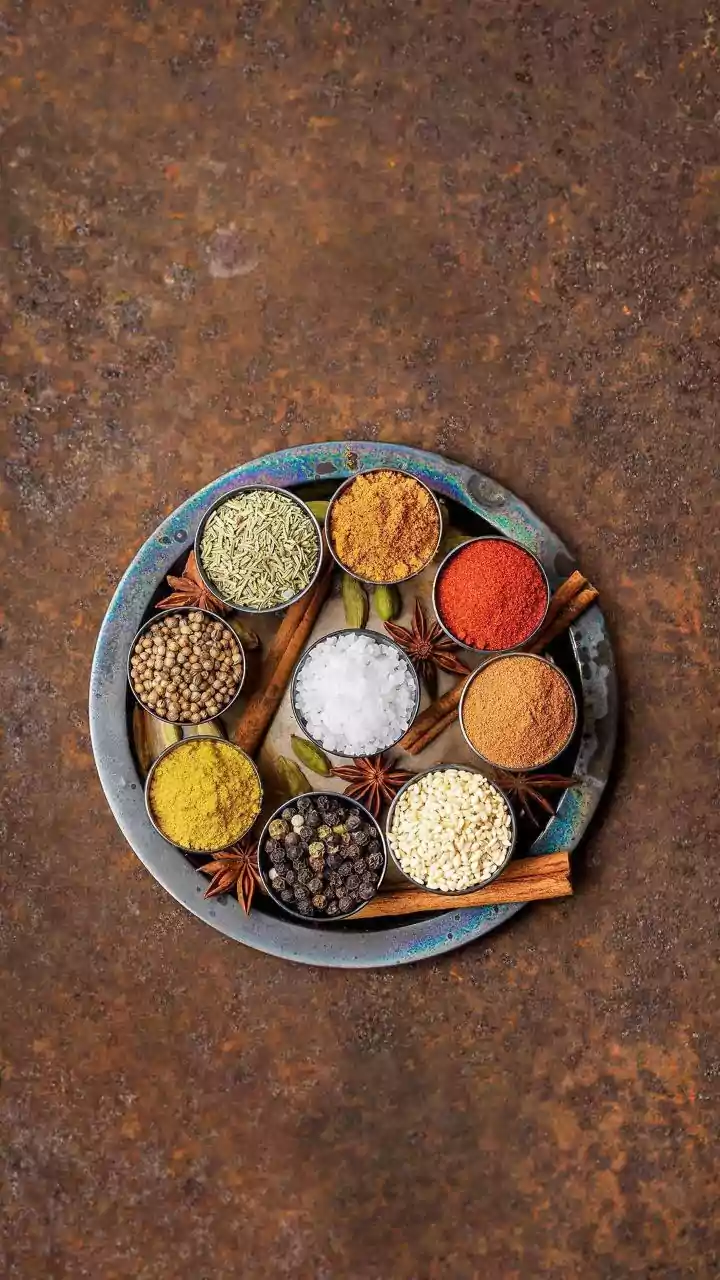
The combination of cumin and coriander, for instance, forms the backbone of countless sabzis and curries. To create a new dimension, try roasting cumin seeds before grinding them for a nuttier, more intense flavour. Don't underestimate the power of garam masala, a complex blend that often includes cinnamon, cloves, cardamom, and black pepper. While typically added at the end of cooking to preserve its aroma, try using it in a marinade for paneer or vegetables before grilling to infuse a deeper warmth right from the start.
The Magic of Tadka Variations
The simple act of tempering, or tadka, is one of the most powerful techniques in Indian cooking for instantly changing a dish's character. It’s more than just a garnish; it’s a final layer of flavour. If your go-to tadka for dal is just cumin seeds and hing (asafoetida), it's time to experiment. For a South Indian twist on your regular toor dal, try a tadka of mustard seeds, dried red chillies, and a sprig of curry leaves. For something like a chana masala or rajma, a tadka with finely chopped ginger, garlic, and a pinch of kasoori methi (dried fenugreek leaves) adds a restaurant-style finish. Asafoetida, known as hing, provides a savoury, almost onion-like depth that is especially useful in purely vegetarian or vegan dishes. A different tadka can make the same dal taste like a completely new recipe.
Take a Quick Culinary Trip Abroad
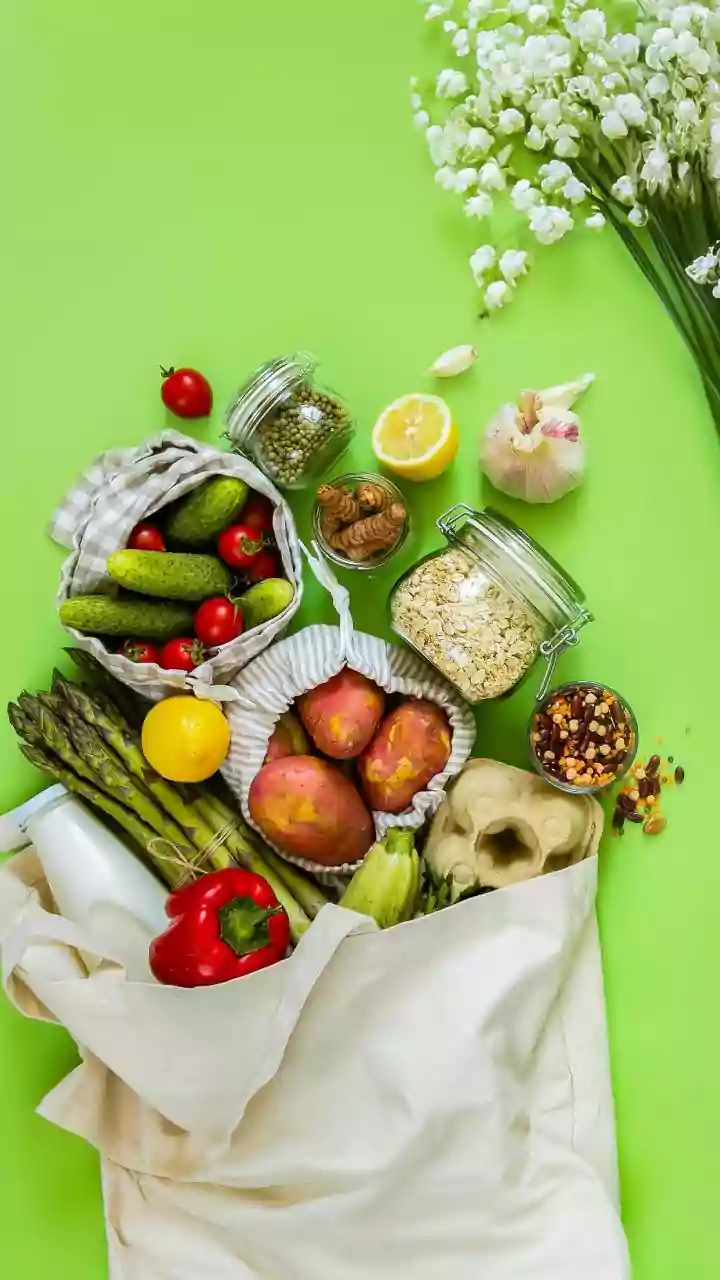
Your pantry staples are the perfect canvas for global flavours. That same bottle of lauki or batch of potatoes can travel the world with a few key additions. For a taste of Italy, toss roasted vegetables with olive oil, dried oregano, basil, and a little garlic powder. Suddenly, you have a Mediterranean-inspired side dish. Craving Asian flavours? A simple sauce of soy sauce, minced ginger, and a dash of sesame oil can transform steamed rice and vegetables into a quick stir-fry. For a flavour profile inspired by Mexican cuisine, try a combination of chili powder, cumin, and a squeeze of lime juice on corn or chicken. You don’t need to buy a dozen new ingredients; a few versatile, non-Indian spices can dramatically expand your weekly menu.
Don’t Underestimate Condiments and Pickles
Spices are only half the story. The condiments in your fridge and pantry are your secret weapon for adding instant complexity with zero cooking. A simple meal of dal and rice is instantly elevated by a spoonful of spicy mango pickle (achaar) or a tangy lemon pickle. These don't just add flavour; they add texture and a new dimension of taste. Similarly, a simple raita (yogurt dip) can cool down a spicy dish or add creaminess to a dry one. Think beyond Indian condiments, too. A dollop of mayonnaise mixed with garlic and herbs can become a delicious dip for roasted potatoes. Even a simple ketchup can be mixed with red curry paste and lime juice to create a unique dipping sauce. These are quick fixes that make a meal feel more complete and thoughtfully prepared.
Sweet Spices in Savoury Dishes
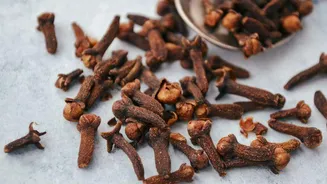
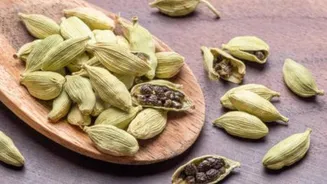
Spices like cinnamon, cloves, star anise, and green cardamom are often reserved for desserts or special occasion dishes like biryani. However, incorporating them into your daily savoury cooking can add a surprising and welcome layer of warmth and fragrance. A single stick of cinnamon or a couple of cloves added to your pot while cooking rice can create a fragrant pulao base. A pinch of ground cinnamon can bring out the natural sweetness in roasted carrots or sweet potatoes. Green cardamom, often used in chai and sweets, can add a beautiful aroma to a simple vegetable korma. Using these 'sweet' spices sparingly in savoury food doesn't make the dish sweet; it makes it more complex and aromatic, breaking the monotony of standard masalas.