




A Splash of Colour at 10,600 Feet
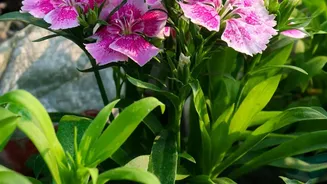
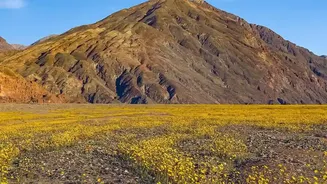
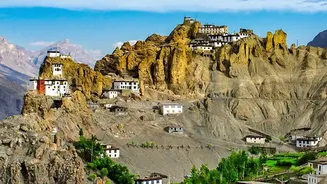
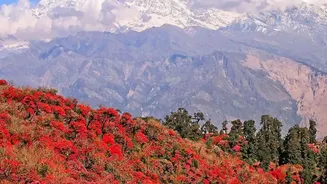
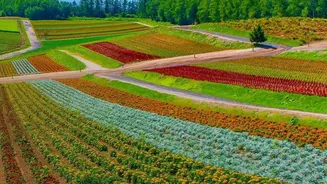
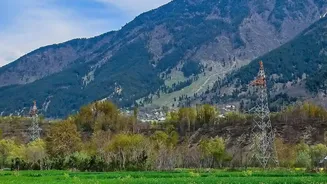
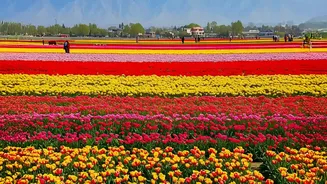
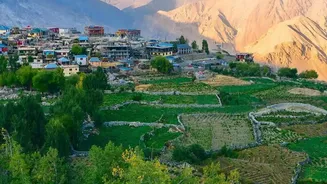
Imagine vast fields of vibrant lilies and gladioli blooming against a backdrop of rugged, barren mountains. This is the stunning new reality at Choglamsar and Stakna in Leh district, Ladakh. Situated at an elevation of around 10,600 feet, these twin gardens
are being described as the world's highest-altitude commercial flower fields. Spread across a combined 40 acres, the ambitious project features over 2.5 million flowering plants. The majority are Lilium bulbs, numbering around 2.4 million, supplemented by approximately 100,000 Gladiolus plants. The initiative, which saw its foundation stone laid in June 2026, moved swiftly; plantation at Choglamsar began in July, with the first flowers appearing by early September. This large-scale experiment is the first of its kind in the high-altitude region, transforming patches of the cold desert into a breathtaking floral spectacle.
Planting the Seeds of Economic Change
While visually stunning, the gardens have a deeper purpose: to pioneer a new era of economic diversification for Ladakh's agricultural community. Traditionally, farming in the region is limited by extreme climatic conditions and a short growing season. Floriculture presents a lucrative alternative. High-value ornamental flowers like Lilium command impressive prices in national and international markets, with premium stems fetching between Rs 150 and Rs 200 in retail. The Ladakh administration, which conceived the project, sees this as a way to provide farmers with a sustainable, high-value agricultural activity that complements traditional farming. The region's unique climate, often seen as a challenge, is actually advantageous for cultivating certain flower varieties like Lilium, which thrive in colder temperatures. The project is a calculated step to harness this natural advantage for economic gain.
A Model for Empowerment
This initiative is designed not just to grow flowers, but to cultivate entrepreneurship. The model involves the UT's Agriculture Department managing the fields for the first year before transferring them to local Self-Help Groups (SHGs) and cooperative societies. This framework aims to empower local communities, particularly women, by giving them ownership of a commercially viable enterprise. To ensure success, the Choglamsar park will also function as a model demonstration and training centre. Here, local farmers and young entrepreneurs receive structured training in scientific floriculture, modern cultivation techniques, and post-harvest management. The project receives technical support from the CSIR-Institute of Himalayan Bioresource Technology (CSIR-IHBT) in Palampur, ensuring that best practices are implemented from the ground up. Already, the project is creating direct employment, with local women earning daily wages for cutting, sorting, and packaging the flowers.
From High-Altitude Fields to National Markets
The project's commercial potential is already being realised. In late September 2026, the first major milestone was achieved when a consignment of 15,000 'A-grade' Lilium stems was airlifted from Leh airport. These flowers, in a variety of colours including red, pink, and yellow, were destined for major markets in Delhi, Mumbai, and Chandigarh. This successful dispatch demonstrated the viability of the supply chain, proving that flowers grown at over 10,000 feet can reach metropolitan customers in prime condition. The success of this pilot phase is so encouraging that the administration has already directed officials in other districts like Kargil, Drass, and Zanskar to identify land to replicate the model, with a goal of bringing 200 acres under floriculture cultivation in the near future.