



As a chill settles in the air, our cravings shift towards warm, hearty meals. Nature provides the perfect pantry. Eating seasonal produce during Indian winters is not just traditional, but also a smart way to boost health and enjoy peak flavours.
Embrace Vibrant Root Vegetables
Winter
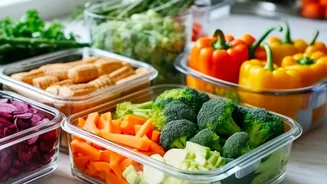
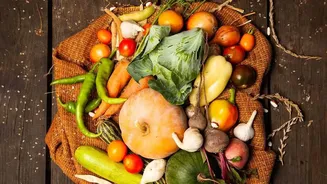
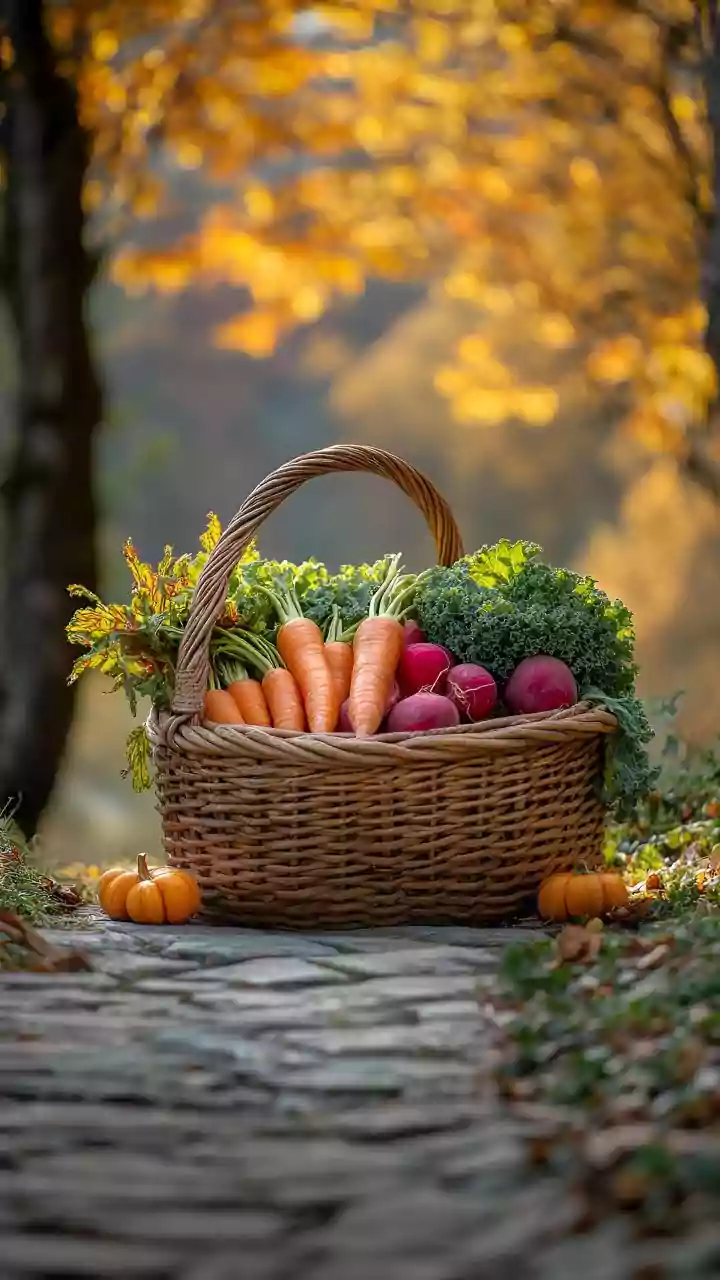
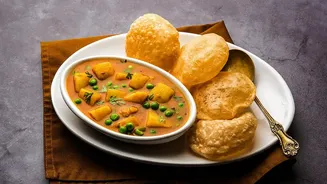
is the season when the ground offers its most colourful bounty. Root vegetables like carrots, beetroots, radishes, and turnips are at their sweetest and most nutrient-dense. Carrots ('gajar') are packed with beta-carotene, which the body converts to Vitamin A, essential for good vision and a strong immune system. Beetroots ('chukandar') are loaded with antioxidants and iron, which helps in improving blood circulation and fighting off winter fatigue. These vegetables are incredibly versatile. You can roast them for a caramelized flavour, juice them for a morning health shot, add them to soups and stews, or enjoy them raw in salads. The classic 'gajar ka halwa' is a beloved winter dessert, while a simple carrot and pea 'sabzi' makes for a comforting weeknight meal.
Go Green with Leafy Wonders
The winter markets are flooded with a stunning variety of leafy greens. Spinach ('palak'), fenugreek leaves ('methi'), and especially mustard greens ('sarson') are winter staples in Indian households. These greens are powerhouses of iron, calcium, and vitamins A, C, and K. 'Sarson ka Saag', a classic Punjabi dish, is not just a culinary delight but also provides warmth and boosts metabolism during the colder months. Fenugreek leaves are known to aid digestion and can be used to make flavourful 'theplas', 'parathas', or added to dal. Spinach is a versatile green that can be pureed for 'palak paneer', added to khichdi, or simply stir-fried with garlic for a quick and nutritious side dish. Adding a squeeze of lemon to these green preparations can help enhance iron absorption.
Boost Immunity with Citrus and Other Fruits
Winter is often called the flu season, making it crucial to strengthen your body's defences. Nature provides the perfect remedy in the form of citrus fruits like oranges and kinnow, which are at their juiciest and packed with immunity-boosting Vitamin C. Another winter superfood is the Indian gooseberry, or 'amla'. Amla has one of the highest concentrations of Vitamin C, which remains stable even after cooking. It aids digestion, improves skin health against winter dryness, and strengthens the immune system against common colds and coughs. Guavas are also abundant and are a fantastic source of fibre and Vitamin C, sometimes even more than oranges. These fruits can be eaten as a simple snack, juiced, or turned into chutneys and preserves.
Don't Forget Cruciferous Veggies and Peas
Cauliflower ('gobi'), cabbage ('patta gobhi'), and broccoli are other winter heroes that find their way into many Indian dishes. They are rich in fibre, vitamins, and antioxidants. From 'aloo gobi' to vegetable pulao and warming soups, their uses are endless. Fresh green peas ('matar') are another winter jewel. Far superior to their frozen counterparts, fresh peas are sweet, tender, and a great source of plant-based protein and fibre. They are a delightful addition to countless dishes, including the simple 'gajar matar sabzi', 'matar paneer', or mixed into a vegetable 'khichdi'.
Creating Balanced Winter Meals
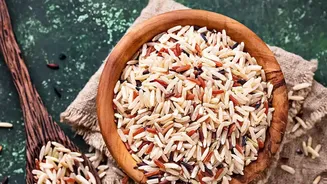
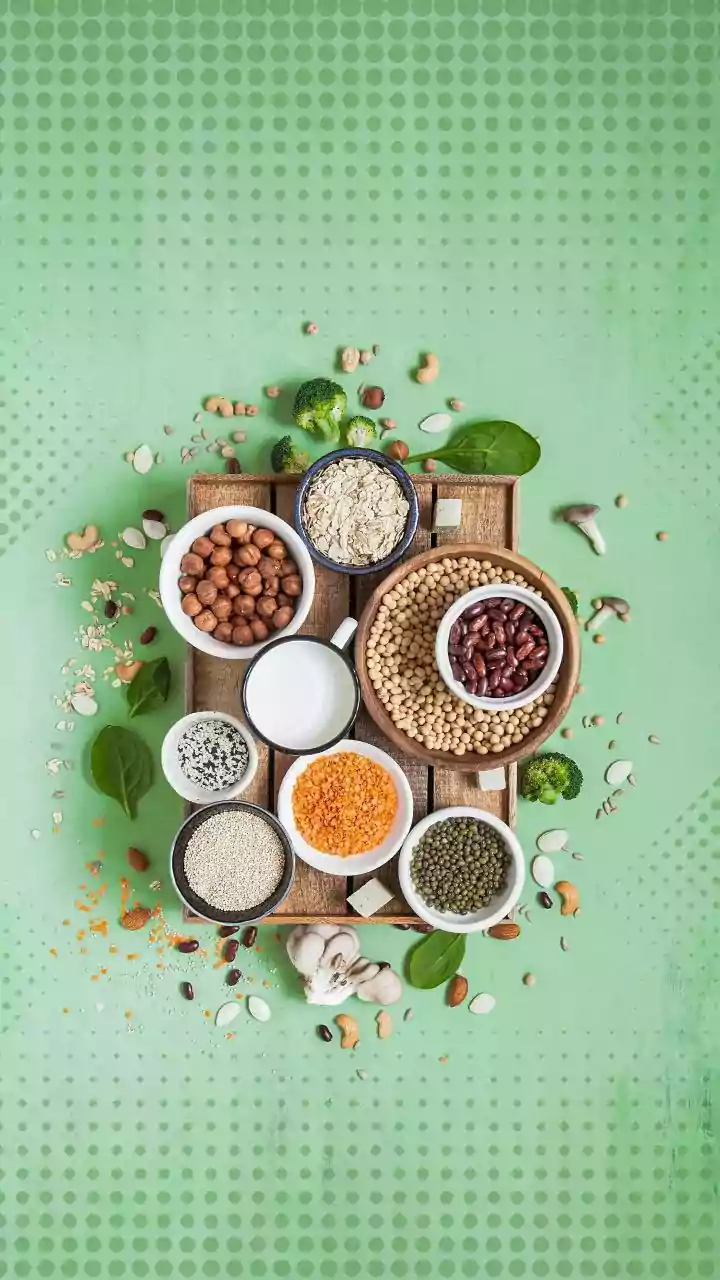
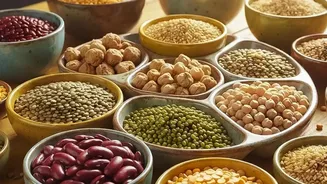
Combining these seasonal treasures is the key to a balanced diet. A typical nourishing winter meal could feature a whole-grain flatbread like 'bajra roti' (pearl millet), which is a warming grain, served alongside a protein-rich dal or legume dish like 'rajma masala' or 'dal makhani'. Pair this with a seasonal vegetable preparation ('sabzi'), such as 'aloo methi' or a mixed vegetable curry using carrots, peas, and cauliflower. A simple salad of grated radish and carrots, or a side of yogurt ('dahi'), completes the plate, ensuring you get a mix of carbohydrates, protein, fats, vitamins, and fibre. For a one-pot meal, a vegetable masala khichdi is an excellent, comforting choice.