


A Confluence of Cosmic Minds
Earlier this year, Bengaluru solidified its reputation as India’s aerospace hub by hosting the second edition of the International Conference on Spacecraft Mission Operations (SMOPS-2026). Jointly organised by the Indian Space Research Organisation (ISRO),
the Astronautical Society of India (ASI), and the International Academy of Astronautics (IAA), the event brought together the world’s leading minds from space agencies, private startups, and academia. The theme was clear and ambitious: “Innovative Operations for Smart and Sustainable Space Mission Management.” More than just a series of presentations, SMOPS-2026 was a forum to map out the future, with discussions covering everything from human spaceflight and robotics to the management of large satellite constellations. Amidst these future-facing topics, one concept generated the most significant buzz: automated mission control.
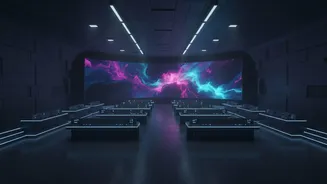
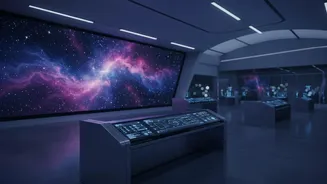
The Core Idea: Intelligent Mission Control
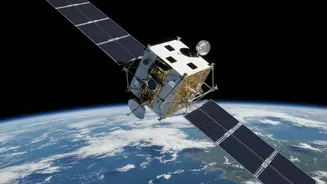
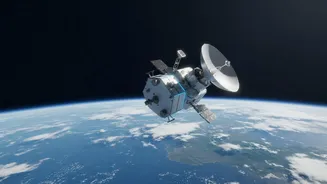
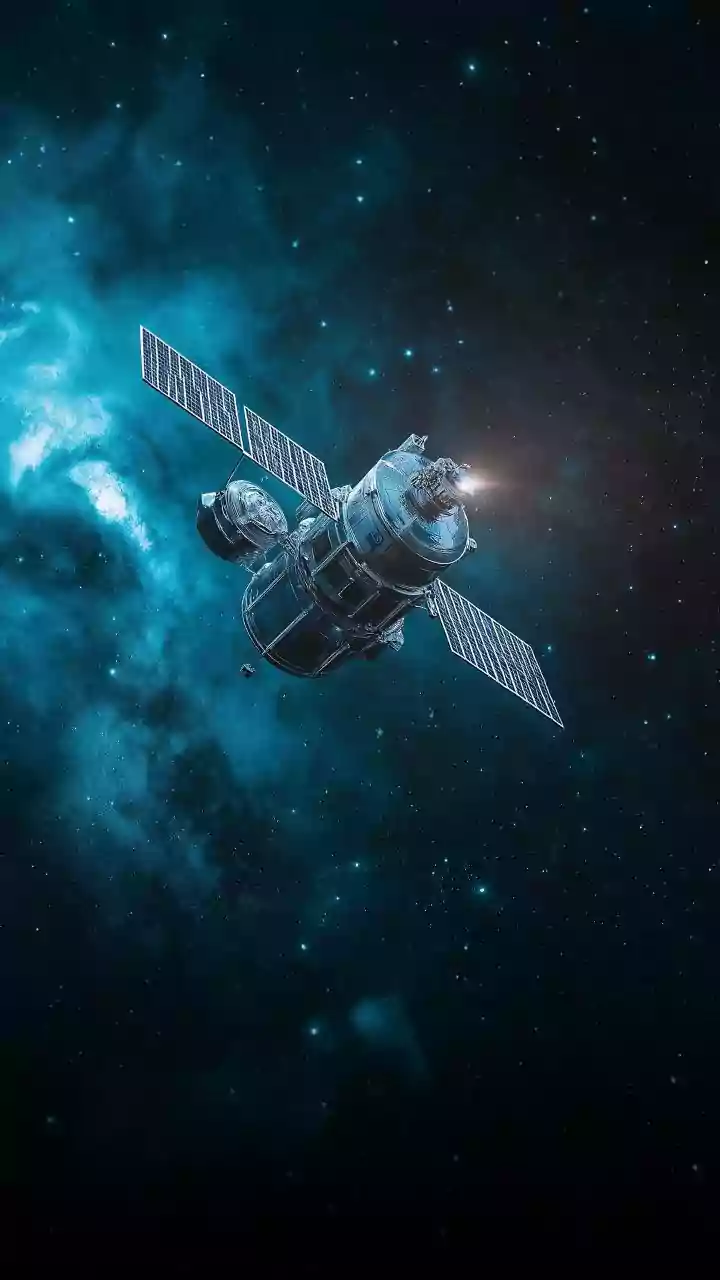
At its heart, automated mission control is about making spacecraft smarter and more self-reliant. Traditionally, space missions require constant oversight from large teams on the ground, who track data, make course corrections, and troubleshoot problems. This process is intensive, expensive, and limited by the speed of communication, which can have significant delays on deep-space missions. Automated systems, powered by Artificial Intelligence (AI) and Machine Learning (ML), are designed to handle many of these tasks independently. In his address at the conference, ISRO Chairman Dr. V Narayanan noted that AI and ML, once purely theoretical concepts in this field, have now become essential tools. These intelligent systems can analyse vast amounts of data in real-time, predict a satellite’s health, navigate complex environments, and even make critical decisions without human intervention.
Why Automation is ISRO's Next Frontier
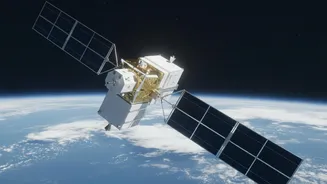
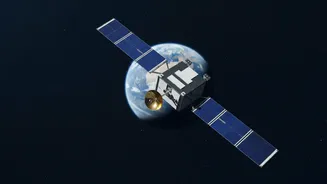
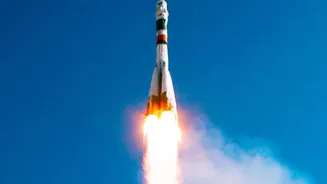
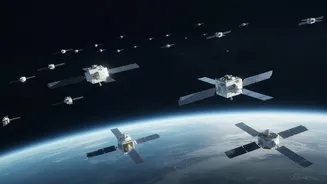
For ISRO, the shift towards automation isn't a luxury; it's a necessity to power its ambitious future. The spectacular success of the Chandrayaan-3 mission, which used onboard sensors and AI-driven systems to achieve a flawless soft landing on the Moon, served as a powerful proof of concept. This capability is fundamental for upcoming, more complex missions. For the Gaganyaan human spaceflight program, automation will be critical for ensuring crew safety and managing life support systems. For future interplanetary missions to Mars or Venus, autonomous navigation is the only way to overcome the immense communication lags with Earth. Furthermore, as India enters the era of large satellite constellations for communication and Earth observation, manually managing hundreds or thousands of satellites is simply not feasible. Automation is the key to operating these massive networks efficiently.
From Theoretical Models to Practical Application
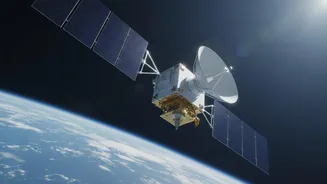
ISRO is already embedding AI and automation across its operations. Beyond the high-profile success of Chandrayaan, the organization is developing AI solutions for designing mission trajectories, monitoring the health of launch vehicles during flight, and managing space traffic to avoid collisions. AI algorithms are being used to sift through mountains of satellite data to provide valuable insights for weather prediction, disaster management, and even precision agriculture. The development of space robotics is another key area, where AI-powered robots could one day perform on-orbit servicing, refueling, or repairs, extending the life of valuable assets in space. These practical applications show that the discussions at SMOPS-2026 were not abstract; they reflect a technological shift that is already well underway within India's space program.
The Challenges and the Path Forward
The road to fully autonomous space missions is paved with significant challenges. Creating AI systems that are robust, reliable, and secure enough for critical missions is an immense technical undertaking. These systems must be able to respond to unforeseen events with the same level of judgment as a human controller, all while operating in the harsh environment of space. As highlighted at SMOPS-2026, building this future requires strong collaboration between nations and a shared approach to challenges like cybersecurity and space sustainability. Recent events, such as the successful air drop test for the Gaganyaan crew module, show that ISRO is methodically testing every component of its future missions. This cautious, step-by-step approach is crucial when the stakes are this high. The insights and partnerships forged at SMOPS-2026 are vital for navigating this complex but exciting path.