






The Imported Superfood Myth
The idea of a 'superfood' has been successfully marketed to us, often attached to a premium price tag and an exotic origin story. Grains like quinoa from South America, leafy greens like kale, and berries like goji have become status symbols in urban
Indian kitchens. While these foods are nutritionally sound, their superiority is often overstated. The conversation rarely includes the environmental cost of food miles—the carbon footprint generated by transporting these products across continents. It also overlooks the economic aspect; these items can cost significantly more than local alternatives, making healthy eating seem like a luxury. For instance, imported quinoa can be several times the price of Indian millets for a similar quantity.
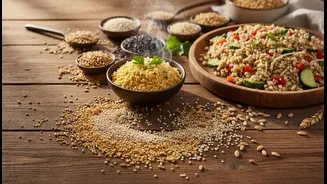
Our Grains Are Greater
The prime example of this disconnect is the rise of quinoa. Marketed for being a complete protein, it quickly became a staple for the health-conscious. However, India has a rich heritage of millets that often outperform quinoa on several nutritional fronts. For example, finger millet (ragi) has nearly seven times more calcium than quinoa. Pearl millet (bajra) and barnyard millet contain significantly more iron, a crucial nutrient where deficiency is a major public health concern in India. While quinoa is a complete protein, this advantage becomes less significant in the context of Indian food culture, where grains are traditionally paired with dals (lentils) or curd. This combination, like ragi with buttermilk or millet with sambar, naturally creates a complete amino acid profile, rendering the 'special' status of quinoa less compelling.
Rediscovering Local Greens and Produce
The obsession with kale is another curious case. While it's a nutrient-dense leaf, India has an astonishing variety of local greens that are just as, if not more, beneficial. Amaranth leaves (chaulai), moringa leaves (drumstick leaves), mustard greens (sarson), and spinach (palak) are powerhouses of vitamins, minerals, and antioxidants. Moringa, for instance, is packed with vitamin A, C, calcium, and iron. Similarly, instead of expensive and often artificially ripened avocados, we can find healthy fats and creamy textures from locally abundant coconuts, peanuts, and even certain vegetables like pumpkin. For the antioxidant boost promised by goji berries, the humble Indian gooseberry (amla) is a far more potent and accessible source of Vitamin C.
The Power of Pulses and Legumes
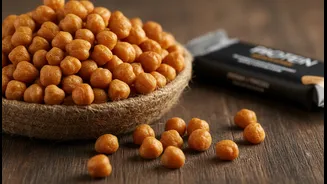
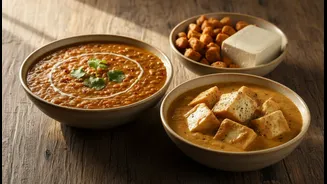
A well-planned vegetarian diet in India has never struggled for protein, thanks to the incredible diversity of dals, pulses, and legumes. Beyond the common moong, masoor, and toor dals, there are dozens of varieties like horse gram (kulith), black-eyed peas (lobia), and kidney beans (rajma). A single cup of cooked lentils can provide around 18 grams of protein. Soya chunks, paneer, and chickpeas (chana) are other excellent, affordable, and widely available protein sources that form the backbone of traditional Indian vegetarian cooking. These ingredients are not only protein-rich but also high in fibre, promoting satiety and good digestive health.
Embracing Seasonality and Sustainability
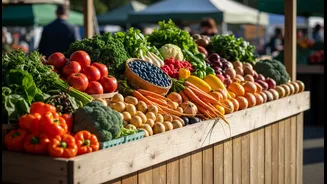
Perhaps the most important principle for a better plate is eating seasonally. Traditional Indian dietary wisdom, backed by modern science, shows that seasonal produce is fresher, more flavourful, and nutritionally superior. Fruits and vegetables harvested at their peak contain more vitamins and minerals. Eating with the seasons—cooling cucumbers and watermelon in summer, immunity-boosting greens in winter—also aligns our bodies with the environment. Choosing local and seasonal produce supports our farmers, strengthens the local economy, and significantly reduces our carbon footprint by minimising the need for long-distance transport and cold storage.