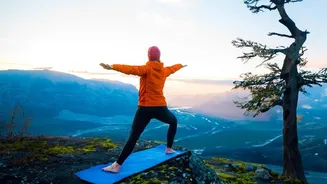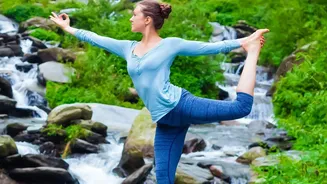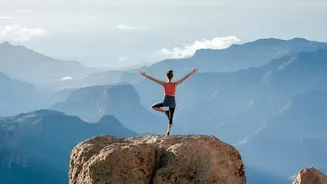





The Inner Journey: Yoga’s Restorative Power
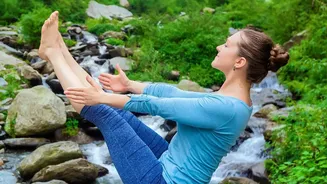
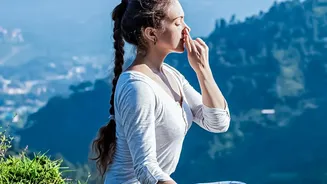
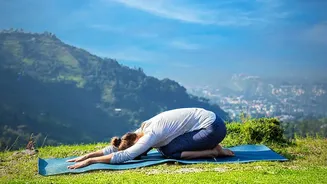
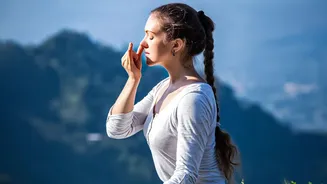
Yoga offers a sanctuary from the noise of a high-pressure work life. Its power lies in the mind-body connection, using controlled breathing (pranayama), physical postures (asanas), and meditation to calm the nervous system. This practice directly counters
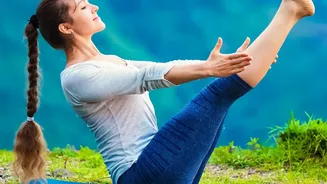
the body's stress response by reducing cortisol, the primary stress hormone. The benefits are not just mental. For those chained to a desk, yoga is a powerful antidote to a sedentary lifestyle, improving flexibility, building core strength, and correcting the poor posture that leads to chronic back and neck pain. It promotes a state of mindfulness, training your mind to stay in the present moment rather than dwelling on work-related anxieties. This increased awareness and mental clarity can even boost focus and productivity when you are back at your desk.
The Outer Expedition: Trekking’s Natural High
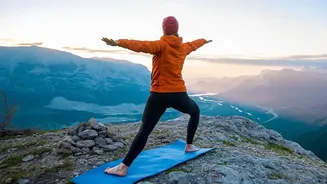
If yoga is about turning inward, trekking is about expanding outward. It combines physical exercise with the profound, scientifically-backed benefits of being in nature. The cardiovascular workout of hiking releases endorphins, the body's natural mood elevators, creating a feeling of well-being. Simultaneously, spending time in green spaces is proven to reduce stress, calm anxiety, and lower the risk of depression. The physical challenge of navigating a trail builds resilience and self-confidence. The simple act of walking in nature, away from urban pollution, improves lung capacity and exposes you to fresh air. This immersion in the natural world engages all your senses, fostering a deep sense of peace and connection that can make workplace worries feel distant and manageable.
The Practicality Test: Cost, Time, and Accessibility
A habit is only sustainable if it fits your life. Yoga often wins on accessibility. You can practice at home with a simple mat and online videos, in a local studio, or even during a work break, making it a highly flexible option. While studio memberships have a cost, at-home practice can be nearly free. Trekking, on the other hand, typically requires more planning and resources. It involves travel to a suitable trail, dedicated time (often a full day or weekend), and potentially more expensive gear like proper boots, a pack, and weather-appropriate clothing. For many urban professionals, a weekend trek is a fantastic but infrequent escape, whereas a daily yoga session is a more achievable routine.
Solitude or Sangha: The Social Equation
How you prefer to recharge socially is another key factor. Yoga can be a deeply personal and solitary practice, allowing for quiet introspection. However, group classes can also provide a strong sense of community and shared purpose, which itself is a powerful stress reducer. Trekking offers a similar duality. A solo hike can be a meditative experience, offering space for reflection. Conversely, trekking with friends or in a group builds camaraderie and teamwork, creating lasting bonds through shared challenges and beautiful vistas. Consider whether you need quiet time alone to decompress or the energy and support of a group.
The Verdict: Which Path Is Yours?
There is no single winner in the debate between yoga and trekking. The best choice depends entirely on your personality, resources, and what you need to feel refreshed. If you crave quiet contemplation, need to undo the physical knots of desk work, and value a practice you can do almost anywhere, yoga is an excellent and sustainable choice. If you feel renewed by adventure, physical challenge, and the open air, and have the time and means to explore, trekking will offer a powerful escape. It's a choice between the calm of an inner landscape and the restorative beauty of an outer one. Many people, in fact, find that the two practices complement each other beautifully. Yoga builds the strength and flexibility for trekking, while trekking provides the natural setting for a mindful, meditative state.