





More Than Just Low Crime
For years, a destination's safety was measured almost exclusively by its overall crime statistics. While important, this single data point often failed to capture the nuanced reality of what makes a place feel safe, particularly for a woman exploring
it alone. Today’s most credible safety indexes are digging deeper. They now integrate a host of gender-specific metrics, creating a more holistic and useful picture. These new evaluations consider factors like the prevalence of street harassment, the strength of laws protecting women against violence, and the general cultural attitude towards women. Reports like the Georgetown Institute's Women, Peace, and Security (WPS) Index are becoming as crucial as traditional crime data, measuring everything from legal protections to a woman's sense of security when walking alone at night. This multi-faceted approach acknowledges a vital truth: safety isn't just the absence of danger, but the presence of respect, support, and infrastructure.
Where Safety Meets Adventure
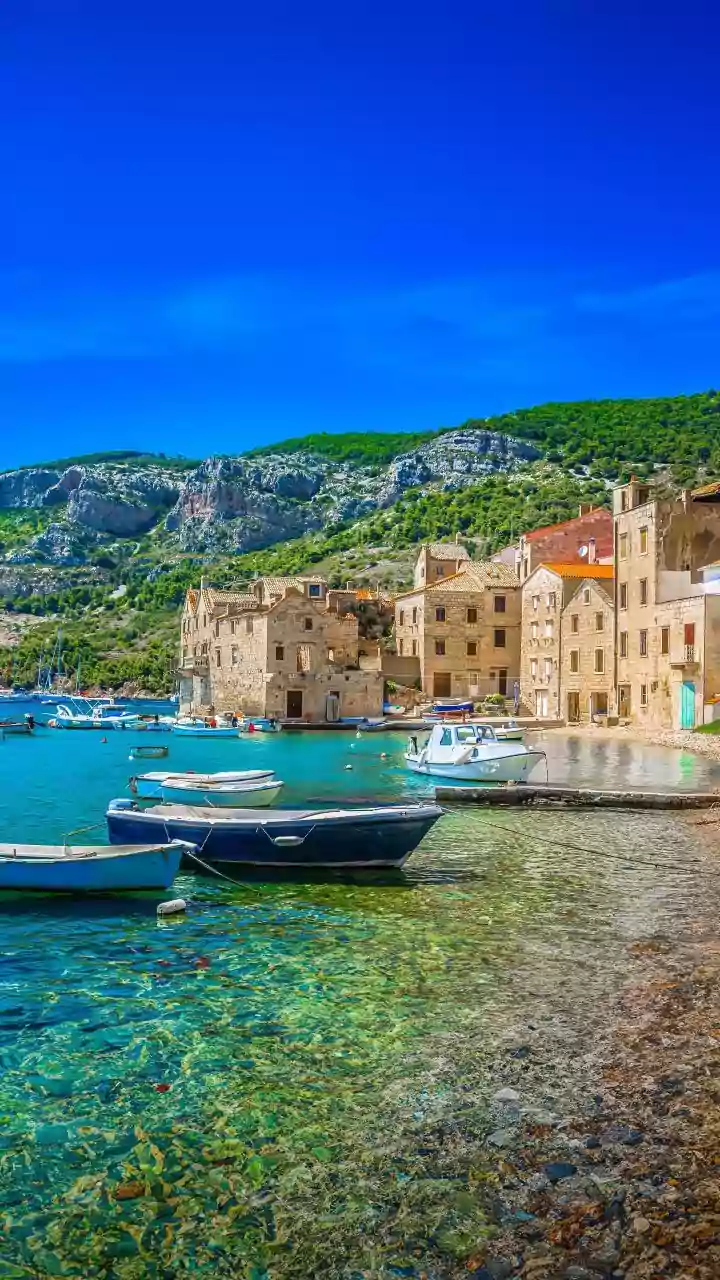
So, where are these new, more thoughtfully compiled lists pointing travellers? Nordic countries consistently dominate, with Iceland, Denmark, Norway, and Finland lauded for their combination of extremely low crime rates, high levels of gender equality, and a culture of social trust. Iceland has held the top spot on the Global Peace Index for over a decade, making it a recurring favourite for first-time solo travellers. Beyond Europe, several other nations stand out. Japan is frequently praised for its exceptionally low street crime, solo-friendly dining culture, and efficient infrastructure like women-only train cars during peak hours. New Zealand is another top contender, celebrated for its welcoming culture for independent travellers and strong legal protections for women. Destinations like Portugal, Switzerland, and Slovenia are also gaining recognition, praised for their low crime, accessible healthcare, and reliable public transport systems that make solo exploration feel relaxed and secure.
The Rise of the Empowered Traveller
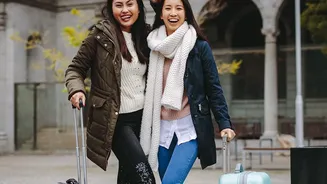
This evolution in safety rankings isn't happening in a vacuum; it’s a direct response to a powerful market force. Women now make up the vast majority of solo travellers, with some reports stating they account for up to 84% of the solo market. This demographic is not just growing; it's also becoming more diverse, spanning all ages and backgrounds. The motivations are clear: women are seeking freedom, flexibility, personal growth, and the chance to explore the world on their own terms. For many, it's about empowerment and self-discovery, a chance to step outside of their comfort zones and daily routines. The travel industry is taking note of this multi-billion dollar market, recognizing that catering to the modern solo female traveller is no longer a niche, but a necessity.
How the Travel Industry Is Responding
The travel industry is adapting with innovative services and products. Major tour companies like Intrepid Travel and G Adventures have launched dozens of women-only tours, which have seen exponential growth. These tours often focus on connecting travellers with local women-owned businesses, creating a more authentic and impactful experience. Hotels are also getting on board, with some offering solo packages and others ensuring features like well-lit corridors and 24/7 security are standard. The rise of women-led tour groups and online communities provides another layer of support, allowing travellers to connect and share advice. This shift shows the industry is moving beyond simply marketing destinations and is now building ecosystems that support and empower women throughout their journey, from booking to their safe return.