


Grasping the Current River Situation
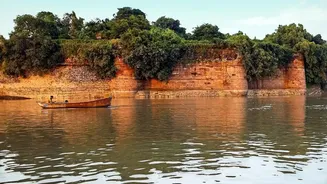
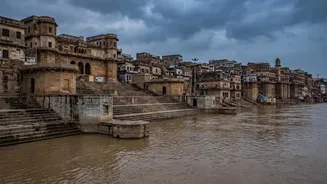
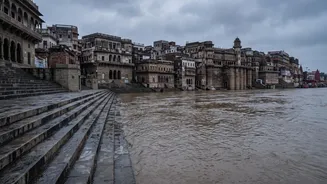
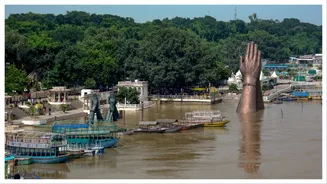
As of early September 2026, the Ganges River—known locally as the Ganga—has surpassed its official warning level in Varanasi. Recent measurements from the Central Water Commission show the water at over 70.5 meters, slightly above the 70.26-meter warning mark.
While the river continues to rise, it remains below the designated “danger level” of 71.26 meters. Officials are on high alert, with disaster response teams actively monitoring the situation. Heavy rainfall in upstream regions is contributing to the swell, and forecasts predict more rain, suggesting the situation will remain fluid. This seasonal flooding is a recurring event, but the current levels have prompted significant precautionary measures across the city.
Boat Rides and Riverfront Access
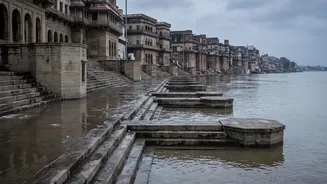
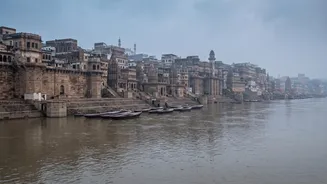
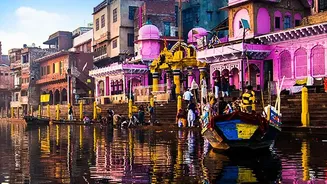
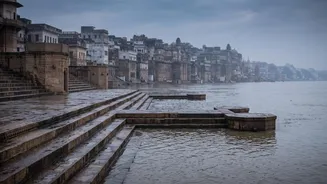
For many visitors, a sunrise boat ride on the Ganges is a quintessential Varanasi experience. However, due to the high water levels and strong currents, the district administration has officially suspended all passenger boat operations until further notice. This is a standard safety protocol implemented whenever the river crosses the warning threshold. Officials are strongly advising tourists and residents to avoid the ghats—the iconic steps leading down to the river—as most are partially or completely submerged. Ignoring these warnings and seeking out informal boat operators is highly discouraged, as the turbulent water conceals hazards like submerged structures and debris.
How Sacred Rituals Are Adapting
The high water has not stopped Varanasi’s spiritual life, but it has altered it. The world-famous evening Ganga Aarti ceremony, normally held at the water’s edge at Dashashwamedh Ghat, has been moved to a nearby rooftop to accommodate the swelling river. Similarly, cremations at the sacred Manikarnika Ghat, one of the city's most profound sites, are also facing disruptions. With the lower levels of the ghat underwater, last rites are being performed on the upper terraces and rooftops of adjacent buildings, a testament to the city's resilience but also an indication of the significant logistical challenges. This has unfortunately led to longer waiting times for these sacred ceremonies.
Navigating the City and Staying Safe
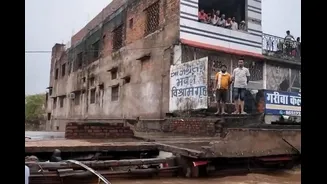
While the flooding primarily impacts the riverfront and adjacent low-lying neighborhoods, the main city center, hotels, and transport hubs like the airport and train station generally remain operational. However, the overflowing of the Varuna, a tributary river, has caused waterlogging in some residential areas, displacing thousands of residents into government-run relief camps. For tourists, this means that while your hotel may be dry, accessing the iconic riverfront will be difficult or impossible. If you do decide to travel, your focus may need to shift from the ghats to the city’s temples, markets, and cultural life within the city's alleyways. It is crucial to wear appropriate footwear for muddy and wet conditions and to be mindful of your health, as waterborne diseases can be a concern during floods.