








The Potent Power of Clove
The secret to clove’s intensity lies in a potent aromatic compound called eugenol. This compound is responsible for its signature warm, sweet, and slightly peppery flavour, but also its potential to overwhelm. Think of it as the lead singer of a band
with a very powerful voice; if the volume isn’t balanced correctly, you won’t hear the other instruments. The flavour can be described as pungent and warm, but also with a hint of bitterness. This is why culinary wisdom dictates using it sparingly. While a pinch of ground clove can bring gingerbread to life, too much can lend a sharp, almost medicinal quality that is hard to correct. Understanding this potency is the first step to mastering the spice.
The Classic Harmony: Cinnamon
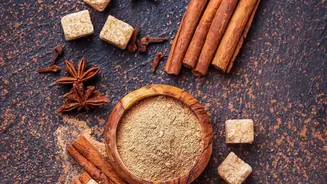
Cinnamon is arguably clove’s most famous and reliable partner. This pairing is the backbone of countless recipes, from pumpkin pie spice blends to chai tea. The reason it works so well is that cinnamon’s sweet, woody warmth complements and softens clove's sharper edges. Where clove is pungent and peppery, cinnamon is sweeter and milder. Together, they create a complete, rounded flavour profile that is more complex and comforting than either spice on its own. This dynamic duo is essential in baking, adding depth to everything from apple crisps to spice cookies. They also form the aromatic base for many spiced beverages, creating a cosy and inviting scent and taste.
The Bright Counterpoint: Citrus
If cinnamon is clove’s comforting friend, citrus is its vibrant, zesty counterpart. The bright acidity of fruits like orange and lemon provides a perfect counterbalance to clove’s rich, heavy notes. This pairing is beautifully demonstrated in mulled wine or cider, where orange slices are often studded with whole cloves and simmered with other spices. The citrus cuts through the sweetness and spiciness, adding a layer of freshness that prevents the flavour from becoming one-dimensional. This principle also applies to food. A clove-and-orange glaze for a baked ham uses the fruit's acidity and sweetness to temper the spice. In baking, a hint of orange zest in a clove-spiced cake or marmalade can brighten the entire dessert.
Mastering the Supporting Role
To ensure clove plays its supporting role effectively, a few simple techniques are key. When a recipe calls for slow infusion, such as in a broth, stew, or beverage, use whole cloves. This allows their aromatic oils to release gradually. Just be sure to count how many you add so you can remove them before serving, as biting into a whole clove is an unpleasantly intense experience. For baked goods or spice rubs where you want the flavour evenly distributed, use ground cloves. Since the ground version is more potent, always err on the side of caution—you can always add more, but you can't take it out. A good rule of thumb is to start with just 1/8 to 1/4 of a teaspoon for a standard recipe. Pairing cloves with other warm spices like nutmeg and allspice can also help round out its flavour.
Beyond the Sweet Pairings
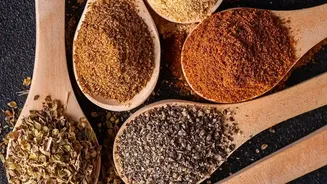
While clove shines in sweet applications, its ability to support other flavours makes it a valuable player in savoury dishes across the globe. It's a key ingredient in many spice blends, including Indian garam masala, Chinese five-spice, and Vietnamese pho broth. In these contexts, clove is rarely the star. Instead, it adds a subtle warmth and aromatic depth that complements other strong flavours like black pepper, cumin, and star anise. From Indian biryanys and Mexican moles to rich meat marinades, clove demonstrates its versatility, proving that when used with restraint, it can elevate almost any dish without stealing the spotlight.