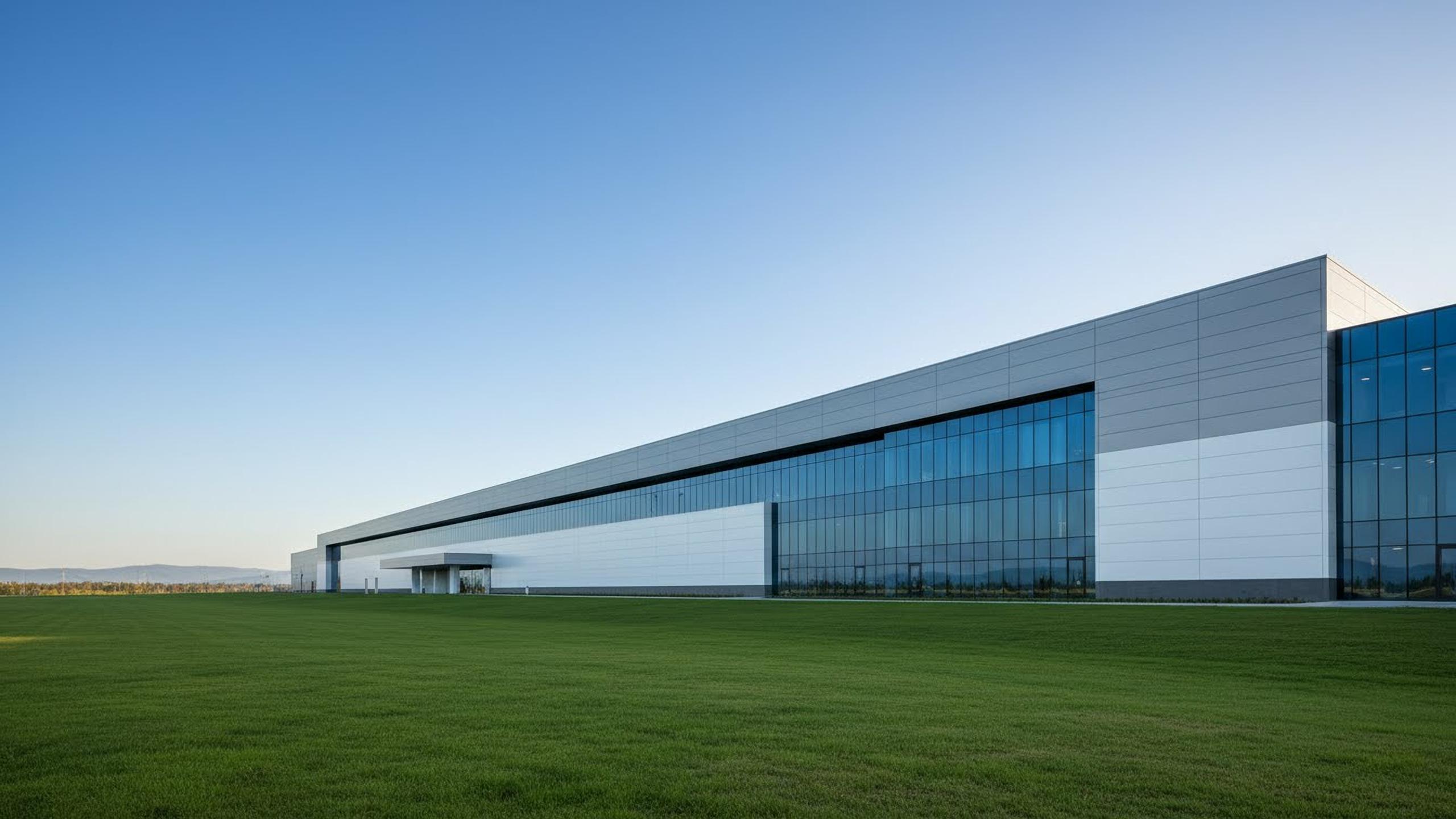








What Are 'AI Gigafactories'?
Despite the name, these aren't traditional factories with assembly lines. Instead, an AI Gigafactory is a dynamic ecosystem built around an AI-optimised supercomputer. These state-of-the-art facilities combine immense processing power with advanced data
centers and support services. The initiative, managed by the European High-Performance Computing Joint Undertaking (EuroHPC JU), aims to create a network of these powerful hubs across Europe. The goal is to provide European researchers, startups, and established companies with access to the world-class computing infrastructure needed to develop, train, and test advanced AI models. In essence, the EU is building its own engine for AI innovation, with plans to establish up to seven large-scale 'Gigafactories' alongside a wider network of 19 smaller 'AI Factories' and 13 associated 'Antennas'.
The Strategic Push for 'Sovereign Compute'
The driving force behind this massive investment is the pursuit of 'sovereign compute'—the ability for a nation or region to control its own digital infrastructure, from data to processing, under its own laws. For years, Europe has found itself heavily reliant on non-EU technology, particularly American cloud giants and chipmakers like Nvidia. This dependence creates strategic vulnerabilities related to data privacy (due to laws like the US CLOUD Act), supply chain disruptions, and economic competitiveness. By building its own supercomputing capacity, the EU aims to ensure that European data can be processed on European soil, aligned with EU values and regulations like the AI Act. It's a move to reclaim technological autonomy in an era where computational power is considered critical national infrastructure, much like energy grids or transport networks.
Fueling Europe's Homegrown AI Champions
A primary objective of the AI Factories is to level the playing field for the continent's burgeoning AI startups. Access to high-performance computing is essential for training large-scale AI models, but the cost can be prohibitive for smaller companies. The EuroHPC JU provides this crucial resource, often free of charge, to promising startups and SMEs for research and innovation purposes. This support acts as an in-kind subsidy, replacing the massive expense of renting commercial cloud capacity. The initiative is designed to be a one-stop-shop, offering not just raw power but also technical support to help businesses build algorithms and develop new applications. By nurturing its domestic talent, the EU hopes to create the next generation of AI leaders and prevent a brain drain to Silicon Valley.
Significant Hurdles on the Horizon
The programme's ambition is matched only by its challenges. The total investment is enormous, with the EU and member states committing up to €10 billion, intended to unlock a further €20 billion in private funding. However, industry experts have voiced concerns. Some argue the plan risks deepening reliance on the very US tech giants it seeks to rival, as top-of-the-line AI chips still come from American firms. There are also fears that the compute capacity built with EU funds could simply be sold to large US hyperscalers who have a natural market advantage. Furthermore, the initiative faces bureaucratic delays, high energy costs in Europe, and fierce global competition for both talent and technology. Some critics note that previous ambitious EU tech projects, like the Gaia-X cloud initiative, have struggled to achieve their goals.