





The Core of the Proposal
The peace plan, which has evolved since discussions first emerged, centers on several key pillars. Initial versions, reportedly developed as a 28-point plan, included controversial terms such as Ukraine committing to not joining NATO, capping the size
of its armed forces, and potentially recognizing Russian sovereignty over annexed regions like Crimea. More recent iterations, reportedly refined after consultations, have been described as a 20-point framework. This version is said to propose a demilitarized zone, security guarantees for Ukraine akin to NATO's mutual defense clause, and a path to EU membership. However, the most significant sticking point remains territorial concessions, a demand from the Kremlin that Ukraine has consistently rejected. The overarching goal, as stated by Trump-linked envoys, is to create a broader European security architecture to prevent future conflict.
The Key Negotiators
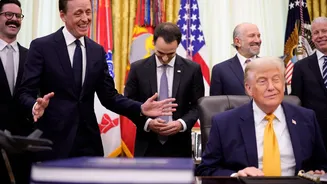
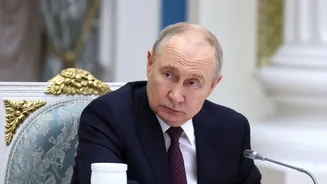
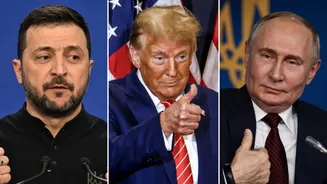
The negotiations are being driven by figures closely associated with Donald Trump, rather than career diplomats. His son-in-law, Jared Kushner, has been a central envoy, holding meetings with both Ukrainian President Volodymyr Zelenskyy and Russian President Vladimir Putin. Alongside Kushner, billionaire property developer Steve Witkoff has also been a chief negotiator, reportedly presenting updated proposals to Moscow. On the Russian side, Kremlin aide Yuri Ushakov and Kirill Dmitriev, CEO of Russia's sovereign wealth fund, have been key interlocutors. These discussions have largely been U.S.-led, with recent pushes to more formally include European nations, who were initially sidelined.
Reactions From Key Capitals
The response to the Trump-linked plan has been mixed and cautious. Ukrainian President Zelenskyy has expressed wariness, stating that broader discussions about European security could be a Russian tactic to weaken NATO and redraw borders. Ukraine's official stance maintains a 'red line' against ceding territory or limiting its military. European leaders have also been wary, expressing concern that early versions of the plan were overly favorable to Russia. They have stressed that any peace must uphold Ukraine's sovereignty and that a new European security framework is unnecessary, as one already exists through agreements Russia has violated. Moscow, meanwhile, has publicly stated its desire for a lasting peace rather than a temporary ceasefire, but continues to insist on its maximalist demands, signaling little willingness to compromise.
Obstacles to a Breakthrough
The path to a viable peace deal is fraught with immense challenges. The fundamental disagreement over territory remains the single biggest hurdle; Ukraine is unwilling to surrender land, while Russia demands recognition of its control over annexed regions. There is also significant skepticism about Russia's sincerity in negotiating, with many Western officials believing Putin is not serious about a settlement and may be using talks to stall for time or divide Ukraine's allies. Furthermore, Ukraine and its European partners are concerned that security guarantees offered in place of NATO membership might not be credible or enforceable. The exclusion of European partners from the initial talks created mistrust, and while there are now efforts to include them, aligning the U.S., European, and Ukrainian positions remains a complex diplomatic task.
Why It Matters Now
The renewed push for a negotiated settlement comes as the war, ongoing for over four and a half years, continues to exact a heavy toll. For the Trump administration, brokering a deal represents a potential major foreign policy achievement. However, the nature of the proposed deal carries significant implications for the future of European security. Critics argue that a peace that rewards Russian aggression by granting territorial concessions could set a dangerous international precedent and undermine the existing world order. The outcome of these discussions could redefine America's role in Europe, impact NATO's future, and ultimately determine whether the conflict ends with a just and lasting peace or a fragile truce that leaves the door open for future aggression.