





The Promise in a Bottle
Beauty beverages, from collagen shots to glutathione drinks, have become a popular fixture in the wellness routines of many Indians. Fuelled by social media trends and a growing focus on holistic health, these products offer a convenient way to get a concentrated
dose of skin-loving ingredients. The market is expanding rapidly, with consumers seeking out everything from vitamin C elixirs for brightness to biotin-infused mixes for hair growth. The appeal is clear: they promise beauty from the inside out. However, as the market grows, so does the need for consumer awareness. Not all that glitters on the shelf is gold, and the key to making a safe and effective choice lies in understanding the fine print.
Watch for Hidden Allergens
One of the first things to check for is the source of the active ingredients, as they can be potential allergens for some individuals. Many popular collagen drinks, for instance, use marine collagen, which is derived from fish. For anyone with a fish allergy, this could trigger a reaction. Similarly, bovine collagen from cows could be a concern for those with a beef sensitivity. Beyond the main ingredients, check the full list for other common allergens that may be used as fillers or binders, such as soy, dairy, or nuts. Brands are required to list potential allergens, so a careful scan of the label is your first line of defence. An unexpected reaction is the last thing anyone wants from a product meant to improve their well-being.
The Unspoken Role of Sweeteners
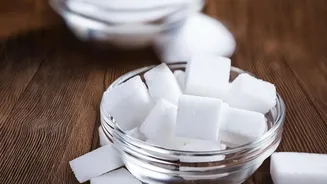
To make these beverages palatable, many brands use sugar substitutes. While 'sugar-free' sounds healthy, it's important to know what has been used instead. Common non-nutritive sweeteners include sucralose, stevia, and sugar alcohols like erythritol. While generally considered safe for consumption in limited amounts, some studies suggest that long-term, high-intake of certain artificial sweeteners could be linked to an increased risk of health issues. Furthermore, some individuals find that sugar substitutes, particularly sugar alcohols, can cause digestive discomfort like bloating and gas. If you have a sensitive stomach or are trying to manage your gut health, pay close attention to the type and amount of sweetener in your daily beauty drink.
Active Ingredients: Can You Have Too Much?
The core appeal of a beauty beverage is its active ingredients, like biotin, vitamin E, or glutathione. While these are beneficial, the dose makes the poison. Many supplements contain doses far exceeding the recommended daily allowance (RDA). This isn't always better and can sometimes be harmful. For example, extremely high doses of biotin, a common ingredient for hair and nails, can interfere with important lab test results, including those for thyroid function. An excess of fat-soluble vitamins like A, D, E, and K can accumulate in the body and lead to toxicity over time, a condition known as hypervitaminosis. It's crucial to consider these drinks as part of your total daily supplement intake to avoid unintentionally overdoing it.
Decoding Labels in India
In India, these products fall under the category of 'nutraceuticals' and are regulated by the Food Safety and Standards Authority of India (FSSAI). Every legitimate product must have a 14-digit FSSAI license number clearly printed on the label. You can even verify this number on the FSSAI website to ensure the brand is registered. The regulations also mandate that labels must list all ingredients, nutritional information, and any potential allergens. Brands are not allowed to make claims about curing or treating diseases. Look for the FSSAI logo and license number as a sign of a compliant and accountable brand.