

The City's Autobiography on a Plate
Street food is the great equaliser in India. It’s a space where people from all walks of life—from CEOs to students—gather for a shared moment of culinary joy. This democratic dining experience offers more than just a quick, affordable meal; it serves
as a city’s unedited autobiography. Each dish tells a story of migration, innovation, and daily life. The ingredients reflect local agriculture, the preparation methods are passed down through generations, and the very existence of a particular snack can reveal the economic and social fabric of its home. It is an authentic, unfiltered look into a city’s soul, far more revealing than any manicured tourist attraction.
Delhi: A Story of Partition and Punjabi Pride
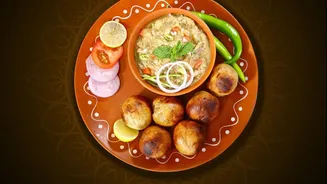
Take the beloved chole bhature of Delhi. While chickpeas have been part of the subcontinent's diet for millennia, the dish as we know it became synonymous with the capital's identity in the wake of the 1947 Partition. Punjabi refugees, displaced from their homes in what is now Pakistan, brought their recipes and resilience to Delhi. Enterprising individuals started selling this hearty combination of spicy chickpea curry and fluffy, deep-fried bread from carts and small stalls. It wasn't just food; it was a taste of home and a means of survival. Today, a plate of chole bhature in a place like Paharganj or Connaught Place is a direct taste of that post-Partition history and the enduring influence of Punjabi culture on the city.
Mumbai: The Relentless Hustle in a Bun
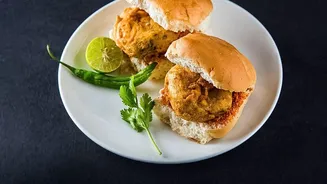
In Mumbai, the city that never sleeps, the signature street food had to be something that could keep up. Enter the vada pav. Invented in the 1960s, this humble snack was born out of necessity. It was created for the city’s mill workers who needed a cheap, quick, and carbohydrate-rich meal they could eat on the go. A spiced potato fritter (vada) tucked inside a bread roll (pav), it was the perfect fuel for a life of long shifts and crowded local train commutes. The vada pav is more than just a 'Bombay Burger'; it's a symbol of Mumbai's working-class grit and its fast-paced, entrepreneurial spirit. Its creation was even encouraged by political movements seeking to promote Maharashtrian enterprise.
Kolkata: A Dash of Rebellious Creativity
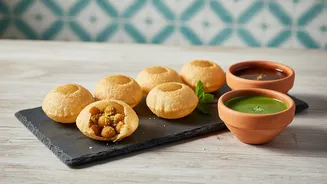
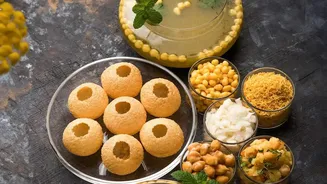
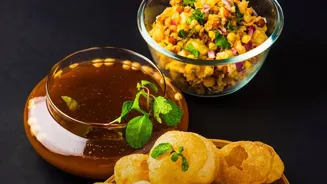
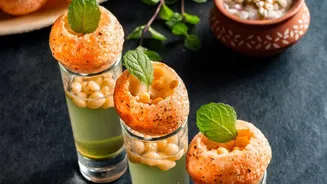
Kolkata's street food culture reflects the city's intellectual and artistic soul. Take the kathi roll, which originated in the 1930s at a restaurant that decided to wrap kebabs in a paratha for customers in a hurry. This simple innovation speaks to a culture of practical creativity. Then there's the city's most famous snack: the puchka. This local version of pani puri is a source of intense pride and debate, with each vendor having their own unique blend of spiced water and potato filling. Eating puchkas isn't just a snack; it's a social ritual and a form of rebellion for generations of students. The street food here is less about frantic speed and more about social gathering and a passion for flavour.
The Human Connection
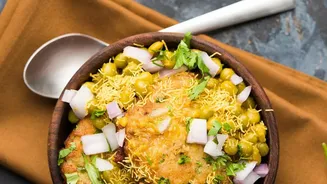
Beyond the history lesson in every bite, the ultimate shortcut to understanding a city is talking to the person making your food. The street vendor is a community anchor, a keeper of recipes and stories. The brief interaction over a plate of chaat or a cup of chai is where you'll hear the local dialect, learn about the neighbourhood's concerns, and feel the city’s true pulse. These vendors are entrepreneurs, historians, and artists all rolled into one. They are the living embodiment of their city's spirit, serving up culture one delicious plate at a time.